






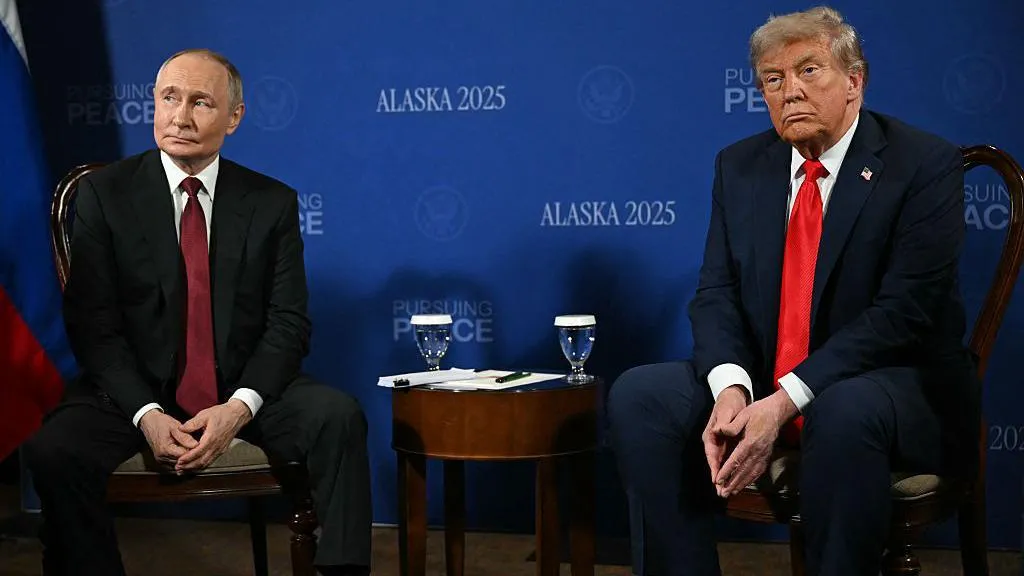
Russian President Vladimir Putin has said that Moscow is prepared to engage in discussions aimed at reaching a final settlement to the Ukraine conflict, rather than agreeing to a temporary ceasefire. His remarks underline Russia’s position that any pause in hostilities should be part of a broader political agreement addressing the issues underlying the war.
The statement comes amid continued international efforts to explore diplomatic avenues for ending the conflict, which has caused widespread destruction, displaced millions of people and heightened tensions between Russia and Western countries.
Russia Emphasises a Long-Term Settlement
Putin’s position suggests that Moscow wants negotiations to focus on the terms of a comprehensive peace agreement rather than a short-term suspension of fighting. A temporary truce could halt military operations for a limited period, but it would not necessarily resolve the territorial, security and political disputes that have kept the conflict going.
Russia has repeatedly argued that a lasting settlement must take its security concerns into account. However, Ukraine has insisted that any peace agreement must respect its sovereignty and territorial integrity, making the conditions for negotiations a major point of disagreement between the two sides.
The difference in their approaches remains a significant obstacle to a diplomatic breakthrough. While Russia has stressed the need to address the wider circumstances surrounding the conflict, Ukraine has warned against arrangements that could allow Moscow to consolidate its territorial gains or prepare for renewed military action.
Ukraine Conflict Remains a Major International Concern
The war in Ukraine continues to influence European security, global diplomacy and relations between Russia and Western governments. The conflict has also affected energy markets, international trade and defence policies, prompting repeated calls for a negotiated resolution.
Several diplomatic initiatives have sought to bring the two sides closer to negotiations. However, disagreements over territorial control, security guarantees and the future political arrangements for Ukraine have complicated efforts to establish a mutually acceptable framework.
A ceasefire could provide immediate relief to civilians and create opportunities for humanitarian assistance. Nevertheless, without an agreed mechanism for monitoring compliance and resolving disputes, any truce could remain fragile.
Challenges Ahead for Peace Negotiations
A final peace agreement would require difficult discussions on several interconnected issues, including territorial claims, security arrangements, the withdrawal or positioning of military forces, and guarantees against renewed hostilities.
Ukraine and Russia would also need to agree on how a settlement would be implemented and monitored. International involvement could play an important role in supporting negotiations, although the precise form of such involvement would depend on the positions of the parties and other participating countries.
Putin’s remarks indicate that Russia is presenting a comprehensive settlement as its preferred route towards ending the conflict. Whether this position leads to substantive negotiations will depend on the proposals put forward, the willingness of both sides to compromise and the ability of mediators to bridge their differences.
For now, the prospect of a lasting peace remains uncertain. Although discussions focused on a final settlement could offer a path towards ending the war, major disagreements continue to stand in the way of an agreement acceptable to both Moscow and Kyiv.