








The Ministry of Human Services and Social Security is setting up a dedicated monitoring and evaluation unit with one specific purpose: to follow the progress of women-owned businesses over time and use what it finds to sharpen the support it provides.
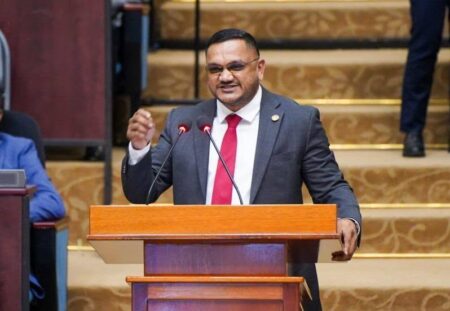
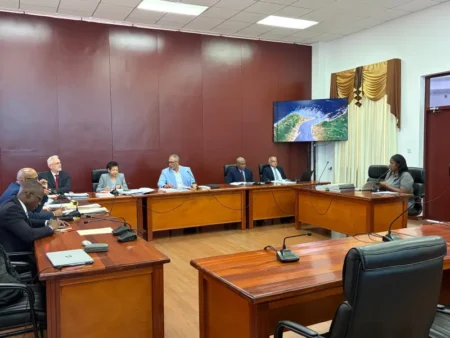
Minister Dr Vindhya Persaud announced the new unit on Friday at the ministry’s Lamaha Street office, speaking directly to the women entrepreneurs the initiative is designed to serve.
The unit will work closely with 171 businesses — 81 from one cohort and 90 from another — conducting what the minister described as tracer studies to build a clear picture of how each business has grown, where it has struggled, and what kinds of support would make the biggest difference going forward. “The reason they are working with you is so that we can have tracer studies to identify what you have done and how you have grown, and where are the areas we can continuously and consistently support you so that you can evolve further,” Dr Persaud explained.
The practical value of that kind of tracking is straightforward: without it, programmes operate on assumptions. With it, the ministry can see what is actually working, adjust what is not, and make a stronger case for the partnerships and resources needed to reach more women across the country. The unit’s findings will feed directly into future programmes and policy decisions.
Beyond the monitoring announcement, Dr Persaud used the event to push women entrepreneurs toward two ideas she said deserve more attention. The first is collaboration — building networks with one another, sharing lessons learned, and where possible, launching businesses together rather than going it alone. The second is care services, an area she said is both under-served and well-supported by existing government financing. Women interested in setting up home-based care centres for children or mobile elderly care services can access grants through the ministry’s co-investment initiative to get those businesses off the ground.
For women looking to scale up existing operations, financing of up to $3 million is available through the Guyana Development Bank — a resource the minister encouraged entrepreneurs to actively explore.
The monitoring unit represents a shift toward a more evidence-driven approach to economic empowerment programming — one that measures outcomes rather than just counting beneficiaries, and treats the data it collects as a tool for continuously improving what the government offers to women building businesses across Guyana.