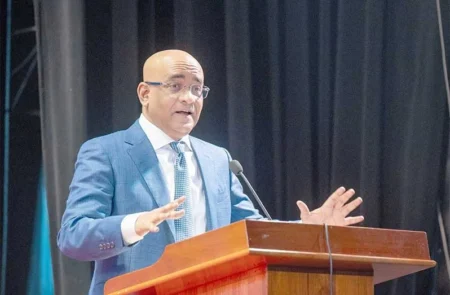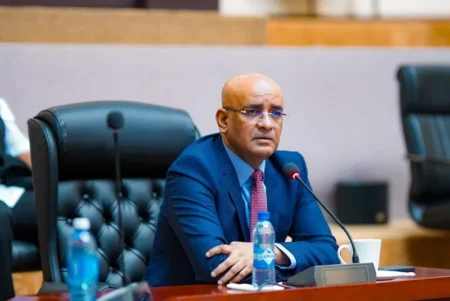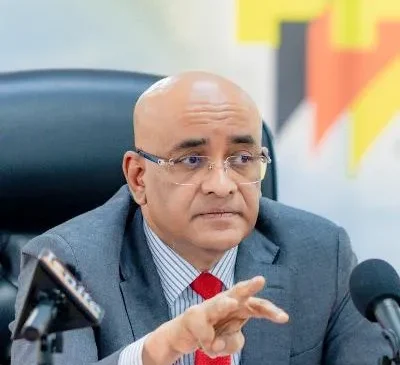






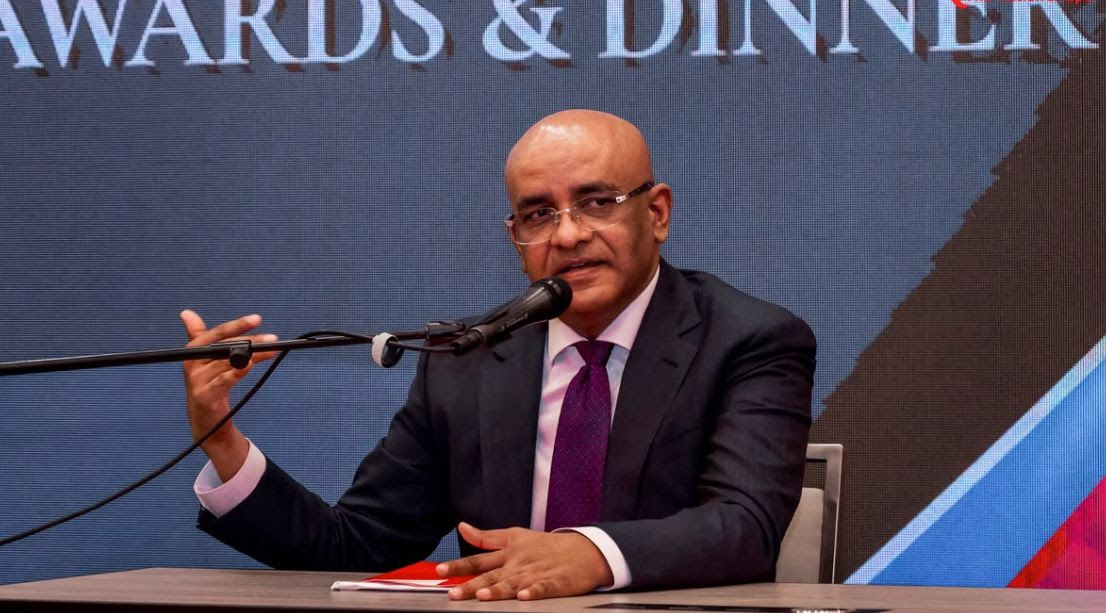
Vice President Dr Bharrat Jagdeo says the government is actively laying the groundwork for a diversified economy that can sustain growth, generate employment and create business opportunities long after Guyana’s oil and gas resources are depleted.
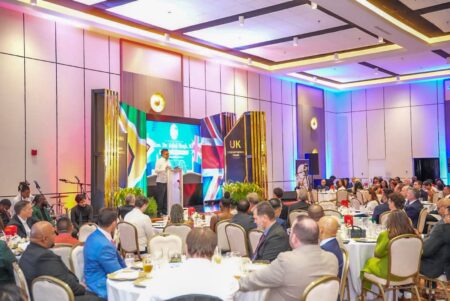
Speaking at the Guyana Manufacturing and Services Association (GMSA) annual awards and dinner at the Marriott Hotel in Kingston, Georgetown, on Thursday evening, Jagdeo said the administration recognises the limitations of relying heavily on oil and gas investments and is working to develop other productive sectors.
The Vice President acknowledged that petroleum investments have generated substantial revenues and business opportunities, but explained that the sector’s economic linkages with the wider economy remain relatively limited.
He described the oil and gas-driven economic model as largely enclavic, noting that the government has recognised the need to build industries that can generate broader economic benefits.
Building a Post-Oil Economy
Jagdeo said Guyana cannot wait until its oil and gas resources are exhausted before beginning to develop alternative sources of economic growth.
He emphasised that while global demand for petroleum remains significant, the country must start investing now in industries capable of sustaining economic activity in the long term.
The Vice President pointed to lessons from Trinidad and Tobago, noting that despite decades of experience in the oil and gas industry, the country faced challenges in adequately preparing for a post-petroleum economy.
He said Guyana is taking those experiences into account as it pursues economic diversification, with an emphasis on employment, business development, exports and long-term competitiveness.
Industries with Export and Import-Substitution Potential
The government has identified several industries that could expand exports while reducing the country’s reliance on imported goods.
According to Jagdeo, these sectors may initially be smaller in scale, but have the potential to generate between US$20 million and US$50 million in revenues, create thousands of jobs and establish stronger linkages with other parts of the economy.
He said the administration is also working to strengthen the institutional framework necessary to support investment, encourage businesses and facilitate the expansion of productive industries.
Expanding Investment Beyond Georgetown
The Vice President stressed that economic diversification must also be accompanied by investments that spread opportunities and economic benefits across different regions of Guyana.
He said infrastructure development outside the capital, together with targeted incentives, will be important in attracting investors and supporting new economic activities.
Jagdeo also outlined the government’s willingness to co-invest in projects in Region Three and other parts of the country to stimulate growth and expand opportunities for businesses and communities.
Creating Long-Term Economic Resilience
Jagdeo said the government’s approach is focused on ensuring that revenues generated from the petroleum sector help build industries, infrastructure and opportunities that can continue contributing to Guyana’s development in the future.
He underscored the importance of investing in economic sectors that can create lasting employment, strengthen exports, support local businesses and reduce dependence on a single industry.
The strategy, he said, is aimed at ensuring that Guyana’s economic growth and prosperity extend well beyond the lifespan of its oil and gas resources.