






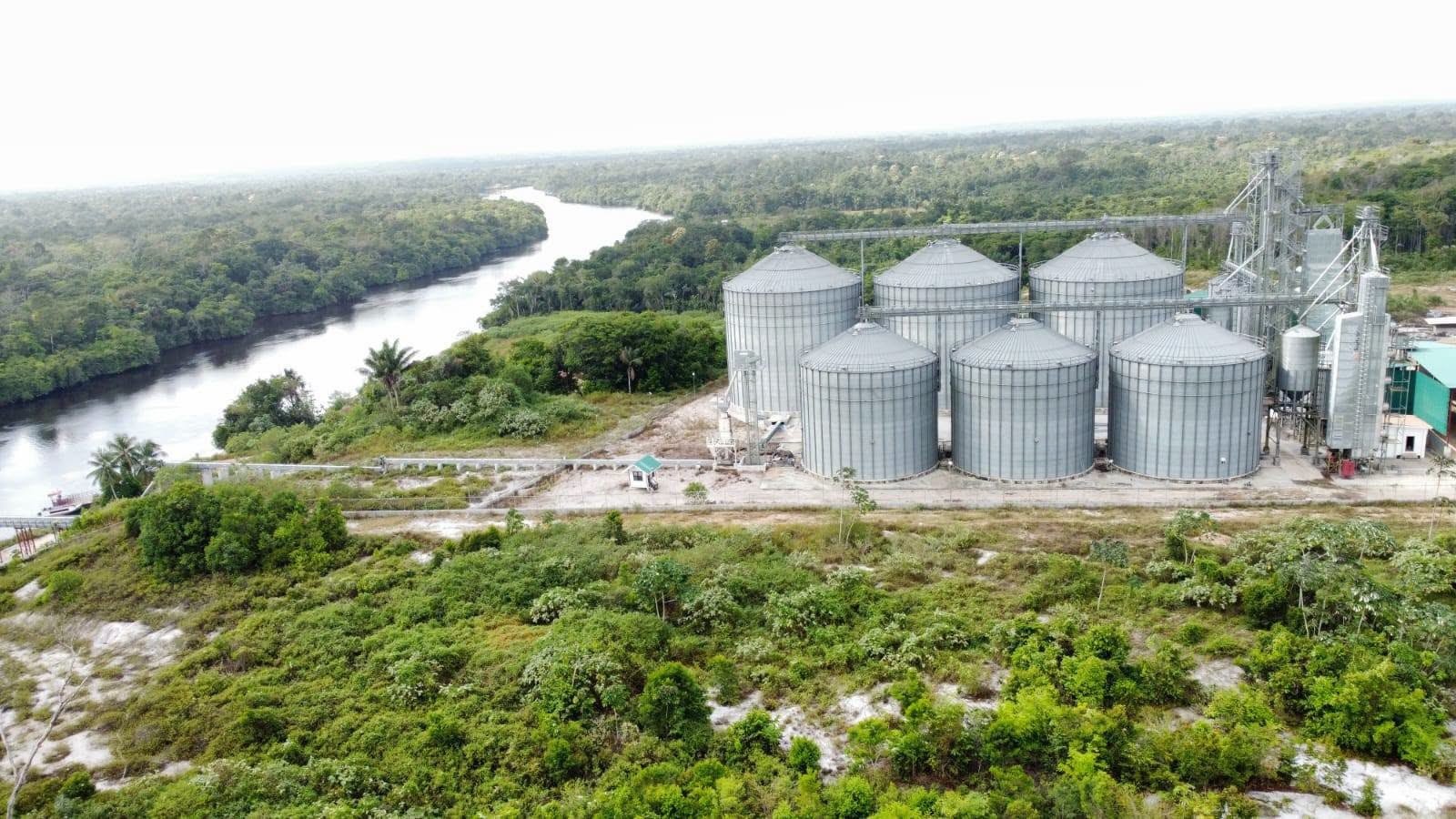
Farmers in Kimbia and surrounding communities in Region Ten are set to benefit from improved storage and agro-processing with the construction of a new Bean Conditioning and Storage facility, designed to strengthen Guyana’s expanding bean industry.
On Saturday, Minister of Agriculture Zulfikar Mustapha conducted a site visit to the new Bean Conditioning and Storage Facility, where work is progressing on the major agricultural infrastructure investment strengthening Guyana’s growing bean industry.

The facility is being developed with six silos, each capable of storing 250 tonnes of beans, providing a combined storage capacity of 1,500 tonnes.
It will also include two wet bins, two dry bins, a warehouse and a processing plant, creating an integrated system to support farmers beyond the point of harvest.
The investment is expected to have a direct impact on farmers. It will address one of the key challenges associated with increased agricultural production: the availability of adequate post-harvest infrastructure.

Once operational, the facility can help farmers gain greater access to proper storage and conditioning facilities. It will also help protect harvested beans from spoilage and other post-harvest losses.

This is particularly important as farmers expand production, since increased yields must be supported by the capacity to safely store commodities until they can be properly processed and marketed.
The facility is also expected to create greater opportunities for farmers in Region 10 and surrounding communities to increase production, knowing that there is infrastructure available to handle larger quantities of beans.
By providing storage and processing capacity within the region, the initiative can also reduce logistical challenges with moving agricultural produce to distant facilities.
The inclusion of a processing plant within the facility will strengthen the value chain of beans by creating opportunities for locally produced commodities to be conditioned and processed before reaching consumers and potential markets.
This can result in greater value being retained within the local agricultural economy while supporting the development of new market opportunities.