






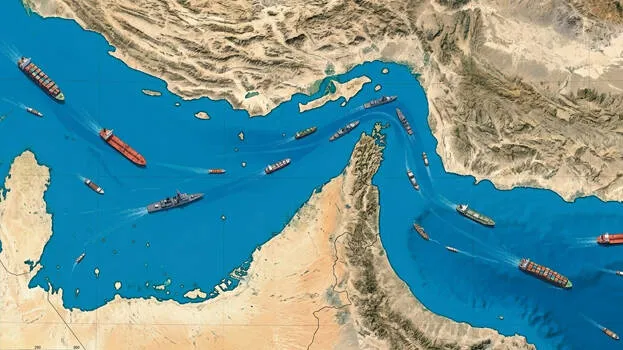
A surprising incident involving a monkey attack on a United States Navy soldier has drawn attention to the unusual risks faced by military personnel deployed in challenging environments. The incident reportedly occurred during a mission near the strategically vital Strait of Hormuz, a region known for its geopolitical tensions and heavy naval presence.
The Incident During Deployment
According to initial reports, the soldier, serving with the United States Navy, was stationed at a military facility in the Middle East when the unexpected encounter took place. The serviceman was performing routine duties when a monkey approached and suddenly became aggressive, leading to a physical attack.
Witnesses stated that the animal jumped onto the soldier and attempted to bite and scratch him. Fellow personnel quickly intervened to remove the monkey and ensure the soldier received immediate medical attention. The injuries were reported to be minor, consisting mainly of scratches and superficial wounds, but the incident prompted precautionary health checks.
Medical Response and Safety Measures
Following the attack, medical staff provided treatment to prevent infection and monitored the soldier for potential diseases that can be transmitted through animal bites, such as rabies. Military health protocols require immediate vaccination and observation in such situations, particularly in regions where wildlife encounters are possible.
Officials emphasized that the soldier is in stable condition and expected to make a full recovery. The Navy also reviewed safety procedures to minimize the risk of similar incidents in the future, including guidance on avoiding contact with wild animals near operational bases.
Strategic Importance of the Strait of Hormuz
The location of the incident underscores the significance of the region where the soldier was deployed. The Strait of Hormuz is one of the world’s most critical maritime chokepoints, connecting the Persian Gulf to the Arabian Sea. A large portion of global oil shipments passes through this narrow passage each day, making it a focal point for international security and naval operations.
The United States Navy maintains a strong presence in the area to safeguard shipping routes, deter regional threats, and ensure freedom of navigation. Military personnel stationed there often operate in harsh climates and remote environments where encounters with wildlife are not uncommon.
Wildlife Encounters in Military Zones
Experts note that monkeys and other animals frequently inhabit coastal and desert regions across parts of the Middle East. As military bases expand into these areas, interactions between humans and wildlife can increase. Most animals avoid human contact, but they may become aggressive if they feel threatened or if food is involved.
Military authorities typically advise personnel not to feed or approach wildlife and to report any unusual animal behavior immediately. Training programs also include guidance on responding to animal attacks and maintaining safe distances from wild creatures.
Broader Context of Regional Operations
The incident comes at a time of heightened security activity in the region, with naval forces from several countries conducting patrols and monitoring shipping lanes. While the monkey attack was an isolated and unexpected event, it highlights the unpredictable nature of deployments in complex operational environments.
Officials stressed that the mission in the Strait of Hormuz continues without disruption, and naval operations remain focused on maintaining maritime security and regional stability.