






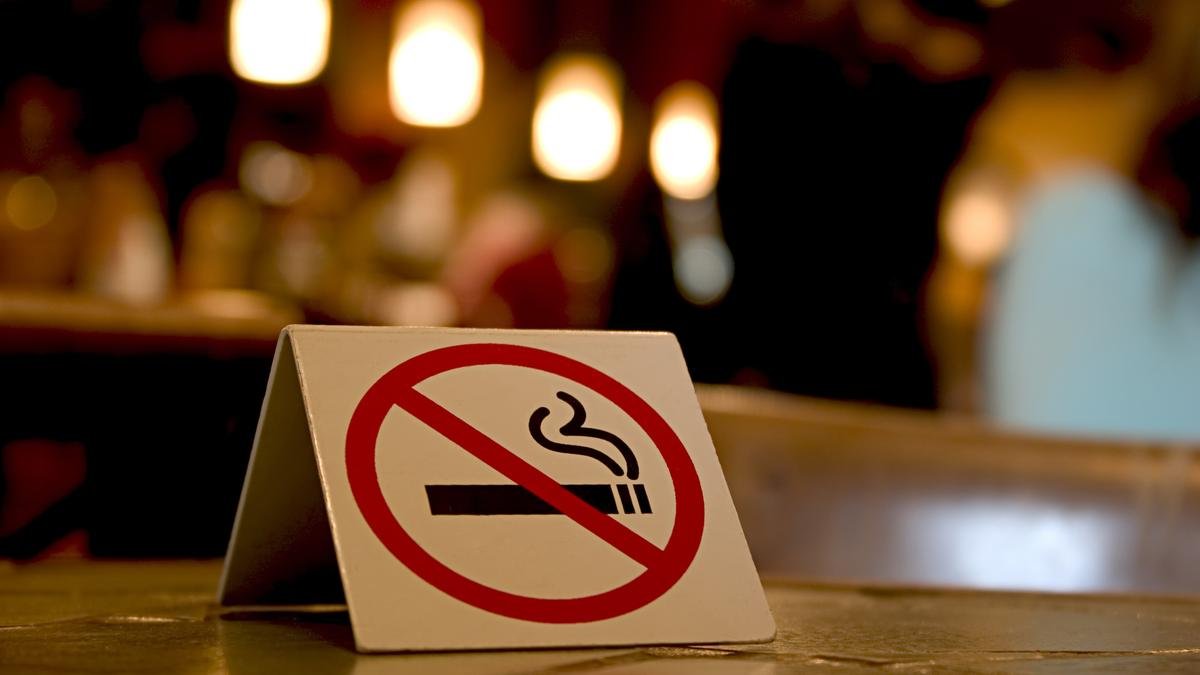
In a historic move aimed at creating a smoke-free future, the government of the United Kingdom has agreed to ban the sale of cigarettes to anyone born on or after January 1, 2009. This groundbreaking legislation means that younger generations will never legally be able to purchase tobacco products, marking one of the toughest anti-smoking policies in the world. The decision reflects growing concerns about public health, rising healthcare costs, and the long-term dangers associated with smoking. ?
The policy was first introduced under the leadership of former Prime Minister Rishi Sunak, who described the initiative as a bold step to protect future generations from addiction and preventable diseases. The plan received significant backing from health experts, medical organizations, and many lawmakers who believe that reducing smoking rates will save thousands of lives each year. The measure was debated extensively in the UK Parliament, where supporters emphasized the importance of early prevention rather than treatment.
Under the new law, the legal age for buying cigarettes will gradually rise each year. For example, individuals who are currently adults will still be allowed to purchase tobacco, but those born after 2008 will never reach the legal age to buy cigarettes. This approach is designed to phase out smoking over time rather than impose an immediate ban, allowing society and businesses to adjust gradually. Authorities believe this strategy will significantly reduce the number of new smokers while respecting the choices of existing adult smokers.
Health officials in the United Kingdom have long warned about the dangers of tobacco use, which is one of the leading causes of preventable death worldwide. Smoking is linked to serious illnesses such as lung cancer, heart disease, stroke, and respiratory conditions. By restricting access to cigarettes for younger generations, the government hopes to reduce pressure on the national healthcare system and improve overall life expectancy. Public health advocates have welcomed the move, calling it a milestone in the fight against tobacco addiction.
However, the proposal has also sparked debate among business groups and civil liberty advocates. Some critics argue that the policy could lead to increased black-market sales or unfairly limit personal freedom. Retailers and tobacco companies have expressed concerns about the economic impact on small businesses that rely on tobacco sales. Despite these concerns, opinion polls show that a large portion of the public supports stronger measures to protect children and teenagers from smoking.
International observers are closely watching the United Kingdom’s decision, as other countries may consider adopting similar policies if the plan proves successful. Governments around the world are increasingly exploring new ways to reduce smoking rates, including higher taxes on tobacco, plain packaging laws, and restrictions on advertising. The UK’s generational ban could become a model for future public health strategies globally.
In conclusion, the United Kingdom’s agreement to ban cigarette sales for people born after 2008 represents a significant shift in tobacco control policy. By focusing on prevention and long-term health outcomes, the country aims to create a smoke-free generation and reduce the burden of smoking-related diseases. While challenges remain, the initiative signals a strong commitment to protecting public health and shaping a healthier future for the next generation.