






The government’s sustained investments in Amerindian communities are delivering unprecedented development across Region Two, with projects under the Low Carbon Development Strategy (LCDS) and Presidential Grants creating jobs, expanding tourism, boosting agriculture and strengthening village economies.
Region Two’s Amerindian villages are Akawini, Wakapoa, Kabakaburi, St Monica/Karawab, Bethany, Mashabo, Capoey, St Deny’s/Tapakuma, and Mainstay/Whyaka.
Speaking during an interview with the Department of Public Information (DPI) on Thursday, Regional Chairman Devin Mohan said every Amerindian village in the region has benefitted from government initiatives that are improving livelihoods while empowering communities to drive their own development.

“The level of development taking place across our Amerindian villages is unprecedented. Through the Low Carbon Development Strategy and Presidential Grants, communities now have the resources to invest in projects that generate income, create employment, and deliver lasting benefits for residents,” Chairman Mohan said.
Across the region, villages have embraced projects that reflect their individual priorities while creating sustainable economic opportunities.
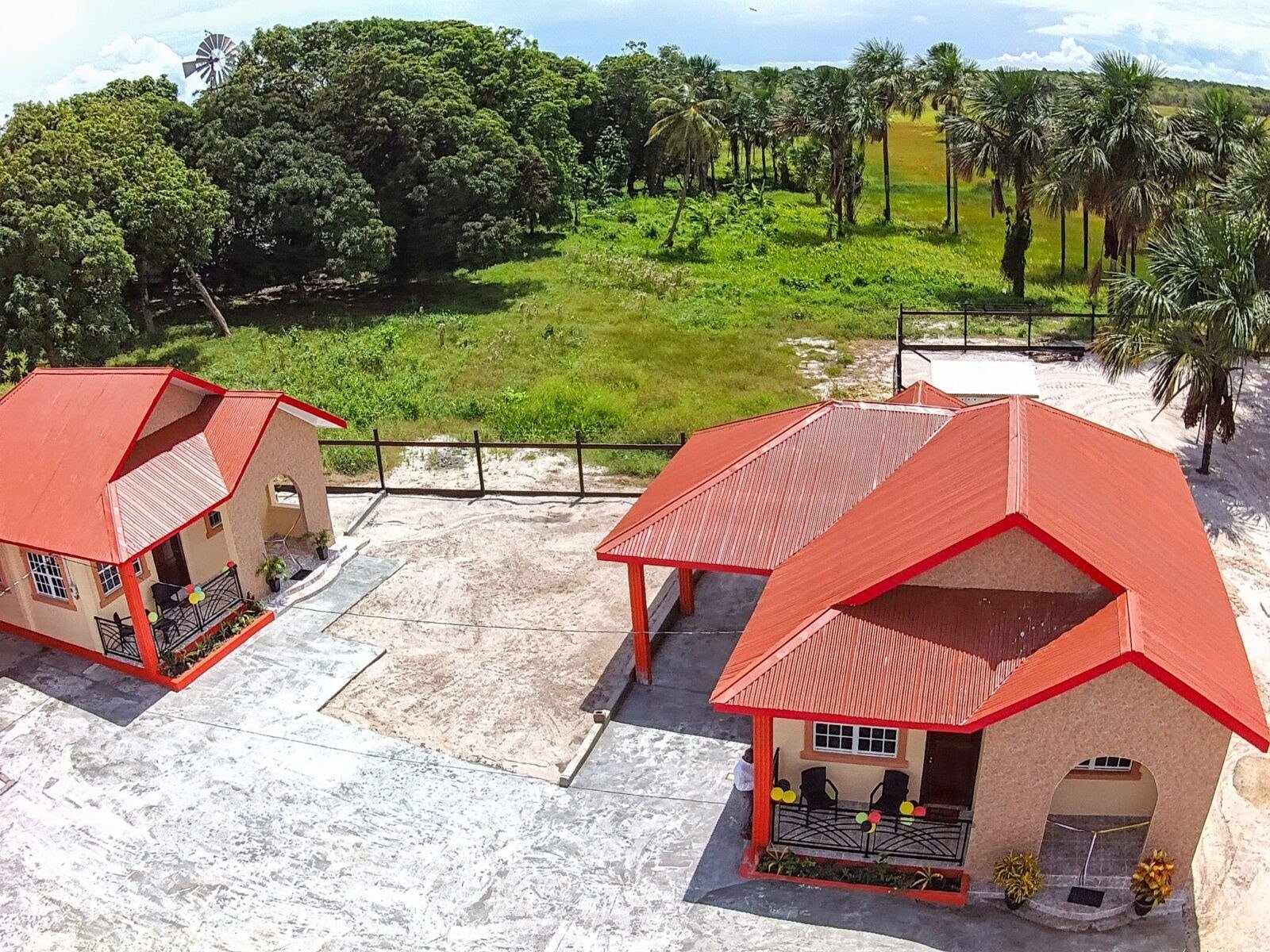
Mainstay/Whyaka has expanded its tourism product with the construction of the modern Lake View Cabins, an initiative supported through the LCDS and Presidential Grants administered by the Ministry of Amerindian Affairs. The self-contained cabins, designed to accommodate families and groups, are expected to attract more visitors while generating revenue for the community.

In St Deny’s/Tapakuma, residents constructed a modern benab using locally sourced materials and labour, ensuring the investment directly benefitted the community while creating a venue for meetings, cultural activities and tourism.

Capoey has developed an approximately 11-room community guest house that offers visitors an immersive nature experience while creating employment and supporting local businesses.
Bethany has also recorded significant success through its aquaculture project. In June, the village celebrated the successful harvest of its first batch of Tambaqui, an important milestone that is already supplying fish to local markets while creating a sustainable source of income for residents.

The community has also established a multipurpose facility to support village activities and development.

Mashabo, Akawini, Wakapoa, Kabakaburi, and St Monica/Karawab have also advanced community-driven projects through government support, further improving livelihoods and expanding economic opportunities across the region.
Chairman Mohan said the transformation is visible throughout every Amerindian village in Region Two.
“When you visit these communities, the progress speaks for itself. From tourism and aquaculture to community infrastructure and other income-generating projects, residents are seeing tangible improvements in their quality of life. This is development that is creating opportunities today while building a stronger future for generations to come,” he stated.