






India and Canada are showing renewed confidence in their efforts to finalize a long-awaited trade agreement, with officials from both countries expressing optimism that negotiations could lead to a major economic breakthrough before the end of the year.
The positive outlook emerged during the Western Canada-India Leaders Summit held in Regina, Saskatchewan, where senior government representatives, diplomats, business leaders, and industry stakeholders gathered to discuss expanding commercial ties and strengthening bilateral cooperation.
Officials from both nations indicated that discussions surrounding the proposed Comprehensive Economic Partnership Agreement (CEPA) are progressing steadily, reflecting a broader effort to rebuild and deepen economic relations after a period of diplomatic strain that had slowed negotiations in recent years.
Among those participating in the summit were Saskatchewan Premier Scott Moe, Canada’s High Commissioner to India Chris Cooter, and India’s High Commissioner to Canada Dinesh Patnaik. The discussions focused heavily on trade opportunities, investment cooperation, supply-chain partnerships, and the future direction of Canada-India economic relations.
Canadian officials expressed confidence that the trade agreement remains achievable and could be concluded within the coming months. Speaking during the summit, representatives highlighted the growing commitment from both governments to move negotiations forward and unlock new opportunities for businesses and investors.
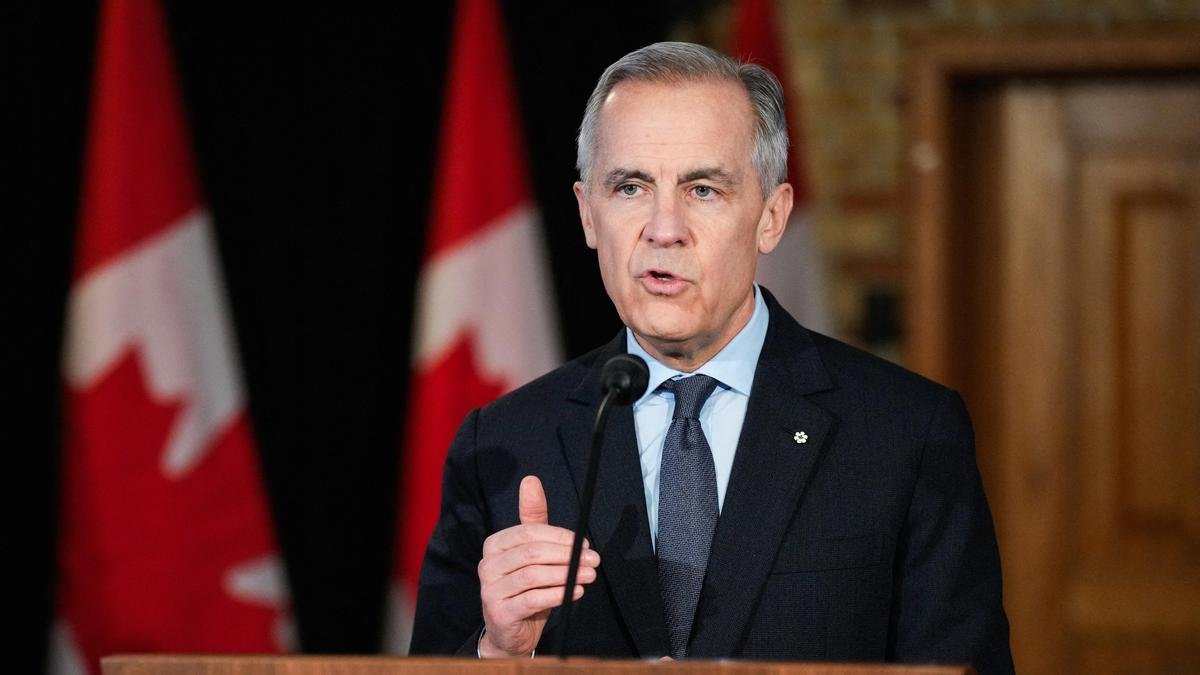
The renewed momentum follows a series of high-level engagements between the two countries, including recent meetings involving India’s Commerce and Industry Minister Piyush Goyal and Canadian Prime Minister Mark Carney. Both sides have emphasized the importance of strengthening economic cooperation and expanding trade across a range of strategic sectors.
A key objective of the negotiations is to significantly increase bilateral trade between the two countries. Officials have set an ambitious target of expanding annual trade volumes from approximately US$17 billion to US$50 billion by 2030, a goal that would effectively triple current trade levels and create new opportunities across industries including energy, agriculture, technology, manufacturing, education, and infrastructure.
The proposed CEPA is expected to reduce trade barriers, improve market access, encourage investment flows, and create a more predictable framework for businesses operating between the two economies. Supporters of the agreement believe it could become one of the most significant trade arrangements negotiated by either country in recent years.
The current negotiations also represent an important step in repairing relations after trade talks stalled in 2023 following diplomatic tensions between Ottawa and New Delhi. At the time, bilateral relations deteriorated after allegations made by Canadian authorities regarding the killing of Sikh separatist Hardeep Singh Nijjar in British Columbia. India strongly rejected the allegations and described them as politically motivated.
Despite those tensions, recent months have seen a noticeable shift toward re-engagement. Officials on both sides have indicated that economic cooperation is once again becoming a priority, particularly as global trade patterns evolve and countries seek to diversify partnerships in response to changing geopolitical and economic conditions.
Canadian Prime Minister Mark Carney has been a strong supporter of expanding economic ties with India, describing the proposed trade agreement as a potentially transformative opportunity for Canadian businesses and workers. He has argued that stronger engagement with India could help Canada access one of the world’s fastest-growing major markets while creating new avenues for investment and export growth.
India, meanwhile, views Canada as an important partner in areas such as energy security, agri-food cooperation, critical minerals, education, technology, and innovation. Indian officials have repeatedly stressed that deeper economic engagement can deliver mutual benefits while creating long-term stability in the bilateral relationship.
Agriculture remains one of the central topics in the negotiations, particularly for western Canadian provinces such as Saskatchewan, which maintain extensive trade relationships with India. Saskatchewan exports large quantities of pulse crops, lentils, and other agricultural products to the Indian market, making trade access a major concern for local producers and exporters.
Premier Scott Moe emphasized that India remains one of Saskatchewan’s most important economic partners and said the province sees enormous potential for future growth. He noted that while certain tariffs on agricultural products remain a challenge, ongoing negotiations provide reasons for optimism regarding long-term trade expansion.
Recent tariff measures imposed on some agricultural imports have affected segments of bilateral trade, particularly in pulse crops. However, Canadian officials indicated that these issues are not expected to derail the broader negotiations and that both countries continue to focus on achieving a comprehensive agreement that benefits a wide range of sectors.
Business leaders attending the Regina summit also expressed strong support for deeper economic cooperation, arguing that the scale of opportunities between the two countries remains far greater than current trade levels suggest. The summit brought together government representatives, diplomats, investors, and private-sector stakeholders seeking to identify new areas for collaboration and investment.
The latest round of negotiations is taking place as both Canada and India pursue broader strategies to strengthen international trade partnerships and reduce overreliance on traditional markets. For Canada, expanding ties with India forms part of a wider effort to diversify exports and strengthen engagement across the Indo-Pacific region. For India, enhanced trade relations with Canada offer access to investment, resources, technology, and new avenues for economic growth.
With negotiations continuing and political support growing on both sides, officials remain hopeful that a final agreement can be reached within the coming months. If successful, the proposed trade pact could mark a major turning point in Canada-India relations, opening a new chapter of economic cooperation and significantly expanding trade, investment, and business opportunities between the two nations for years to come.