




Firstly, it is important to make it clear that the Venezuelan government is desperate to divert attention from its internal problems, including a lack of food and shelter for its people.
The international dispute over the Essequibo region is not receiving the attention it deserves. Venezuela continues to claim the territory from Guyana, even though the matter is under legal review by the International Court of Justice. If Venezuela escalates the situation, it could also create tensions with Brazil, which may strongly oppose any territorial aggression.
Brazil has a powerful army and will not tolerate Venezuela’s claims.
There is clear irony in the situation—while Venezuela advances these claims, thousands of its citizens are leaving the country to seek entry into Guyana for better opportunities. The Venezuelan government understands international law but maintains its stance for political reasons.
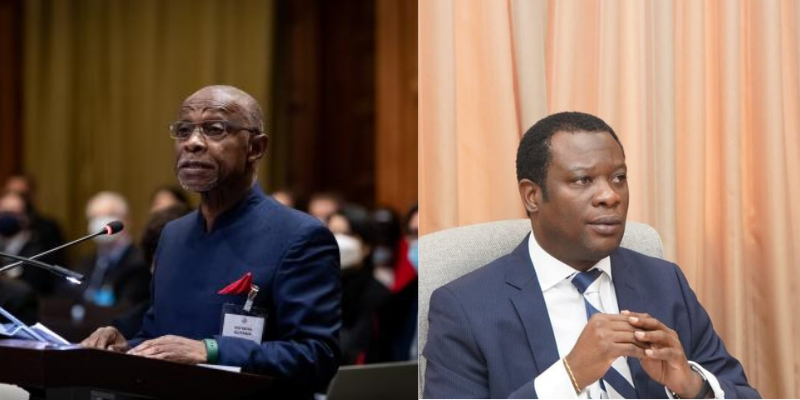
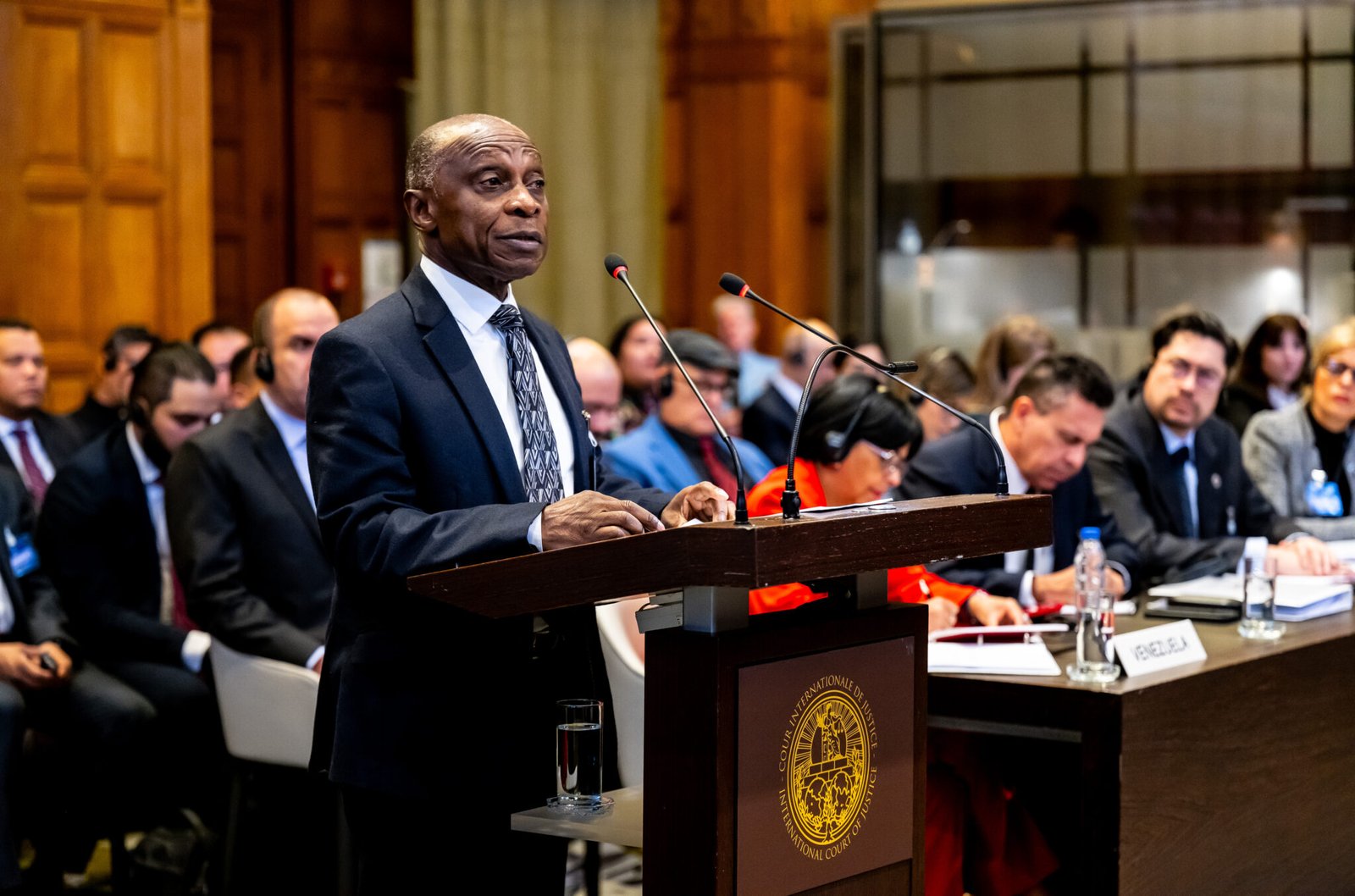
Key figures, including Carl Greenidge, former Vice-President, Foreign Minister and Finance Minister, are supporting the present Government at the ICJ in The Hague, Netherlands. The present Foreign Minister, Hugh Todd, has been actively representing Guyana’s position at The Hague, emphasising peaceful resolution.
Ultimately, Venezuela’s priority should be to restore democracy and stability within its own country rather than pursue external territorial claims, which are fabricated and illegal.
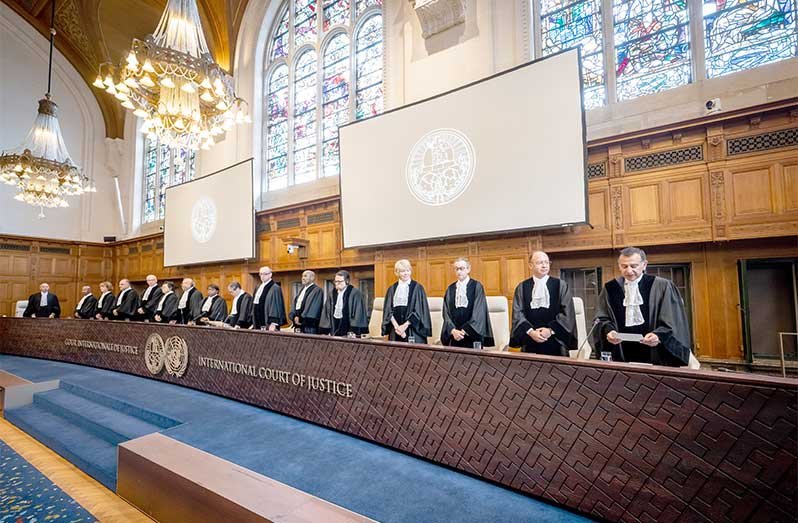
The Ministry of Foreign Affairs and International Cooperation has expressed strong confidence ahead of the upcoming hearings at the International Court of Justice on the long-standing Guyana-Venezuela border dispute. The oral proceedings, which will address the merits of the case, are scheduled to run from May 4 to May 11, 2026, at the Peace Palace, the Court’s headquarters.
According to the schedule, Guyana will open the hearings with its first round of oral arguments on Monday, presenting from 10:00 to 13:00 and resuming from 15:00 to 18:00. Venezuela is set to respond on Wednesday, May 6, during the same time slots. The second round will begin with Guyana on Friday, May 8, followed by Venezuela’s final submissions on May 11. The proceedings will be broadcast live and made available on demand in both English and French via official UN platforms.
In a statement, the Ministry underscored its confidence in Guyana’s case, citing strong historical documentation and established legal principles, including the binding force of arbitral awards, respect for treaties, and the need to maintain stable international boundaries. Guyana first brought the matter before the Court on 29 March 2018, seeking legal confirmation of the validity of the 1899 Arbitral Award, which determined the boundary between British Guiana and Venezuela.
The case also relies on a 1905 agreement between the two countries, which formalised the boundary in line with the arbitral decision. The ICJ has already ruled twice that it has jurisdiction to hear the case, in decisions delivered in December 2020 and April 2023.
In addition, the Court has issued two sets of provisional measures to prevent Venezuela from interfering with Guyana’s administration of the disputed territory during the ongoing case. The written phase of the proceedings concluded in 2025, with both parties submitting detailed arguments. The upcoming hearings will allow each country to present its position orally, after which the Court will proceed towards a final, binding judgment under international law.
Guyana has consistently maintained its commitment to resolving the dispute peacefully through legal means. Earlier this year, Foreign Affairs Minister Hugh Todd reiterated the government’s confidence in its legal team and the strength of its case, while emphasising the need to remain cautious throughout the process. He added that a ruling could be delivered later this year.
The dispute centres on Venezuela’s claim to more than two-thirds of Guyana’s territory, specifically the Essequibo region, and to parts of Guyana’s Exclusive Economic Zone, which is rich in offshore oil. Despite ongoing legal proceedings, tensions between the two nations have persisted.
Recent developments have further heightened concerns. Although some observers believed that the reported removal of Nicolás Maduro from power earlier this year might ease tensions, Venezuela’s acting leadership has taken renewed action. Acting President Delcy Rodríguez has drawn criticism for publicly displaying a map depicting the Essequibo region as part of Venezuela during official visits to Caribbean nations.
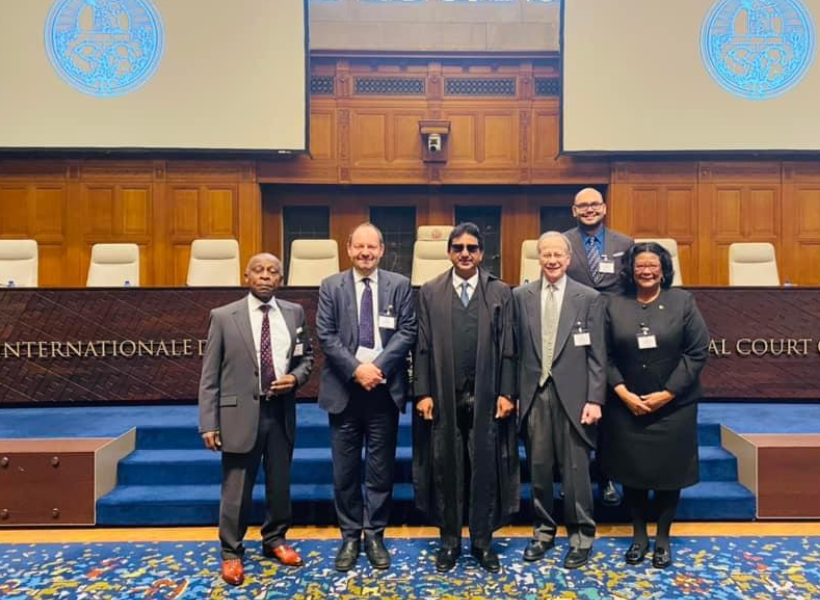
This prompted a formal response from President Dr Mohamed Irfaan Ali, who wrote to Terrence Drew, Chairman of CARICOM, to object to the use of such imagery at official events. The Guyanese leader emphasised that regional support for Guyana’s territorial integrity must be consistently reflected in both statements and actions.
As the hearings approach, Guyana remains firm in its position, expressing confidence that international law and the evidence presented will ultimately uphold its sovereignty over the disputed territory.