





Guyanese businesses must position themselves to capitalise on opportunities beyond the traditional oil and gas sector and strengthen their capacity to compete for higher-value contracts, industry leaders said on Thursday.
The call came during the Georgetown Chamber of Commerce and Industry’s (GCCI) Energy Luncheon 2026, held at the Guyana Marriott Hotel under the theme “Beyond the Barrel – Oil, Gas, Growth and the Guyanese Contractor”.
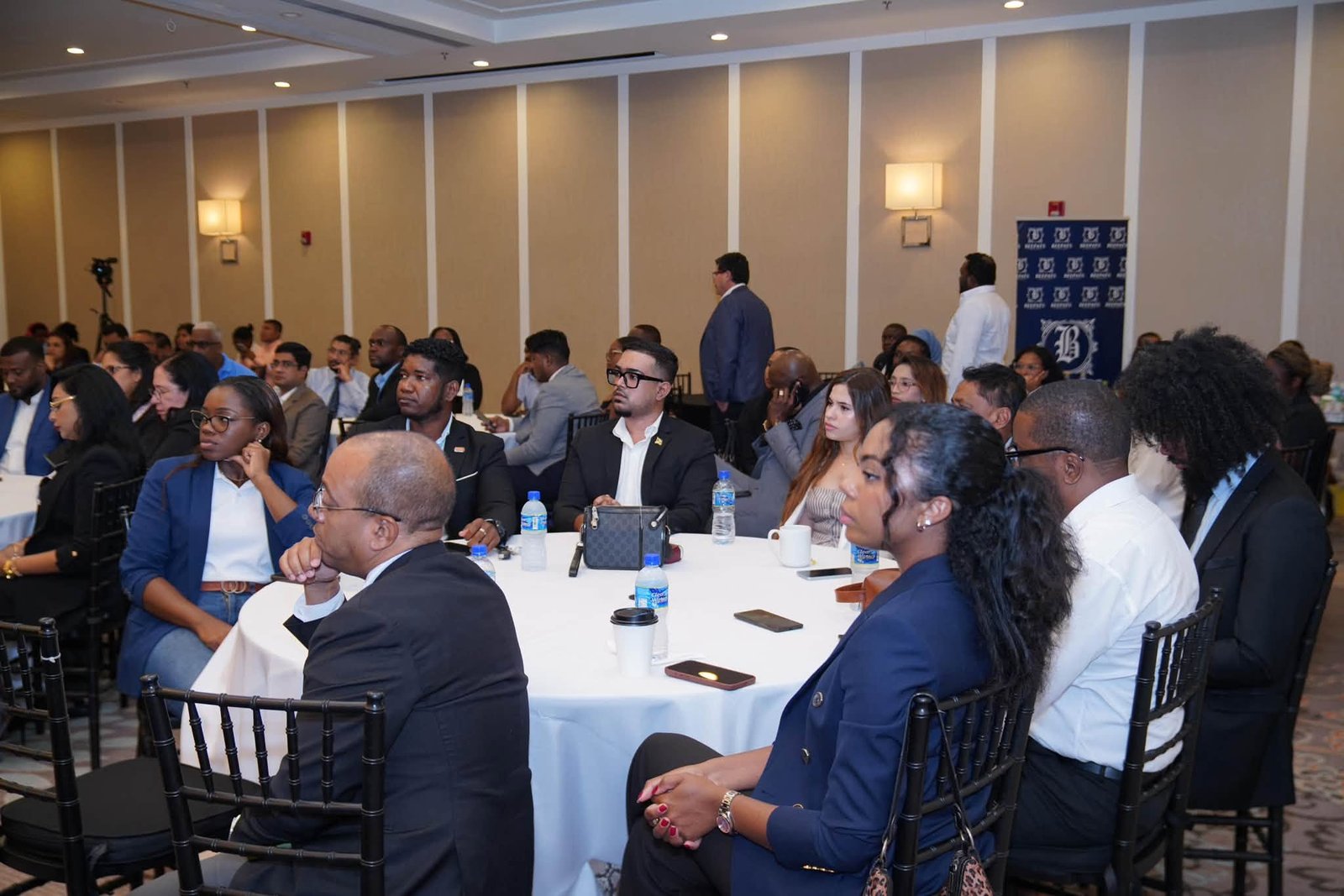
The event brought together business leaders, contractors, policymakers and other stakeholders to examine how local companies can expand their capabilities and play a greater role in Guyana’s rapidly evolving economy.
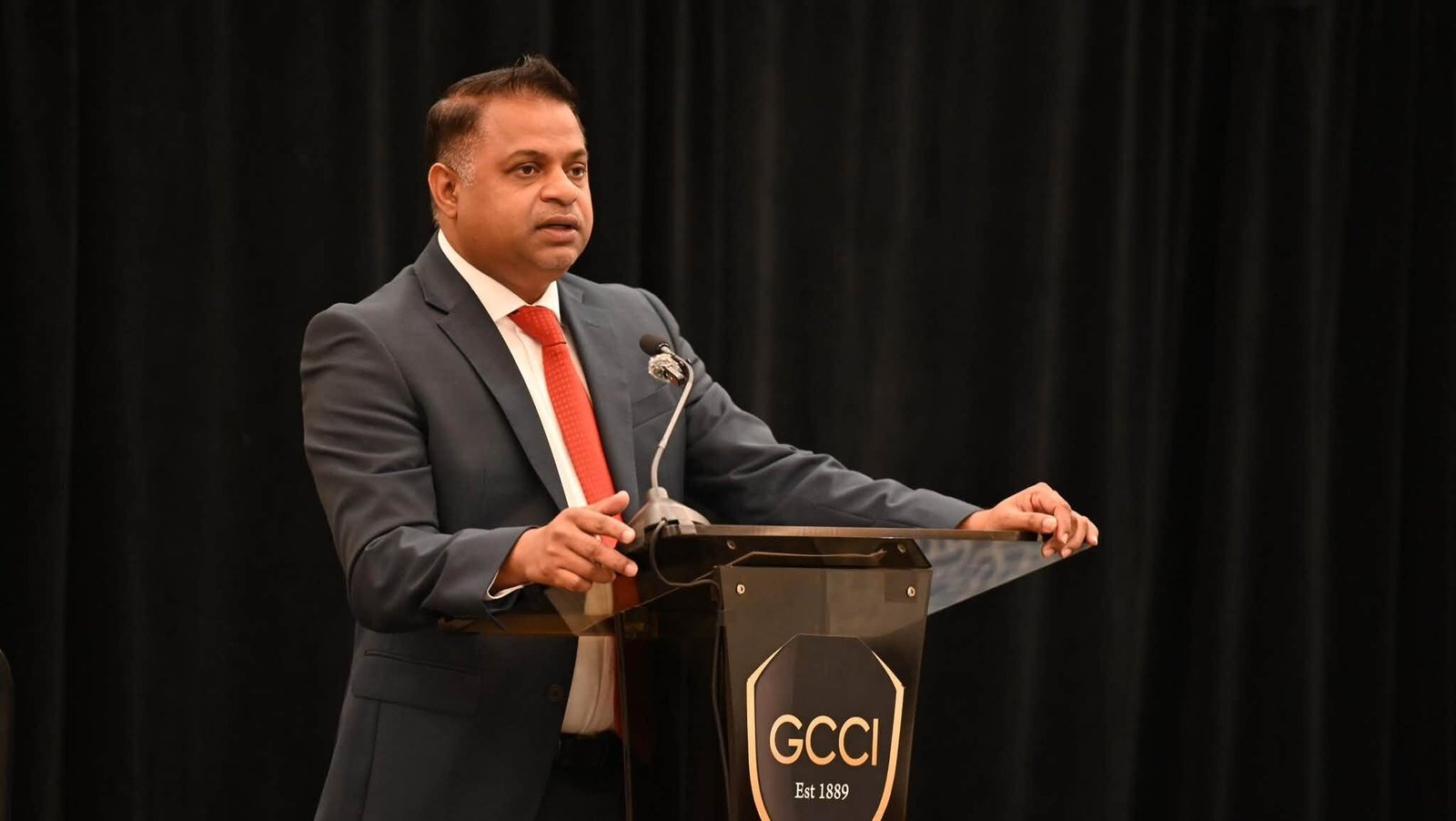
Delivering the feature address, Minister of Public Utilities and Aviation Deodat Indar highlighted the rapid expansion of Guyana’s economy and the opportunities created by increased investment in the oil and gas sector.
However, he stressed that local businesses should not confine their ambitions to the petroleum industry.
“Oil and gas are the catalyst creating opportunities throughout the wider economy. These opportunities are not only offshore. They are in logistics, transportation, warehousing, certification, construction, training, maintenance and professional services,” Indar said.
He identified several areas where businesses could expand, including transport, logistics, warehousing, construction, specialised technical services, certification, training, waste management and the emerging gas industry.
Minister Indar also highlighted the role of the Local Content Act in creating opportunities for Guyanese companies to participate in the petroleum sector. With both local and international investment increasing, he said businesses must pay attention to the direction the economy is moving in and develop the expertise needed to remain competitive.
“If you do not know about gas, you have to learn. You have to bring someone who knows, or find a partner who understands the business,” the minister said.
GCCI President Kathy Smith said the expansion of the oil and gas industry has opened new doors for Guyanese entrepreneurs but stressed that stronger business capabilities must now match access to opportunities.
According to Smith, the next phase of local participation should focus on helping companies become more technically capable, financially stronger and better equipped to compete for larger contracts.
“The next stage must be about capability. It must be about guiding these companies to become stronger, more technically competent, better capitalised, and increasingly capable of competing for higher-value contracts,” she said.
Smith also urged contractors to view the petroleum industry as a foundation for developing businesses that can endure beyond the life of Guyana’s oil resources.
She encouraged local companies to form partnerships, embrace innovation and invest in the systems, skills and standards needed to expand their operations at home and abroad.
“It is an opportunity for you to build a business that outlasts the commodity,” Smith said.
She pointed to the possibility of Guyanese contracting companies developing the technical expertise, safety standards, financial discipline and commercial relationships required to compete not only in Guyana but also throughout the Caribbean and in other international markets.
Smith further noted that achieving this would require cooperation among contractors, the GCCI, oil operators, the government and financial institutions.
President of ExxonMobil Guyana, Alistair Routledge, also emphasised the importance of ensuring that Guyanese people remain central to the development of the country’s petroleum resources.
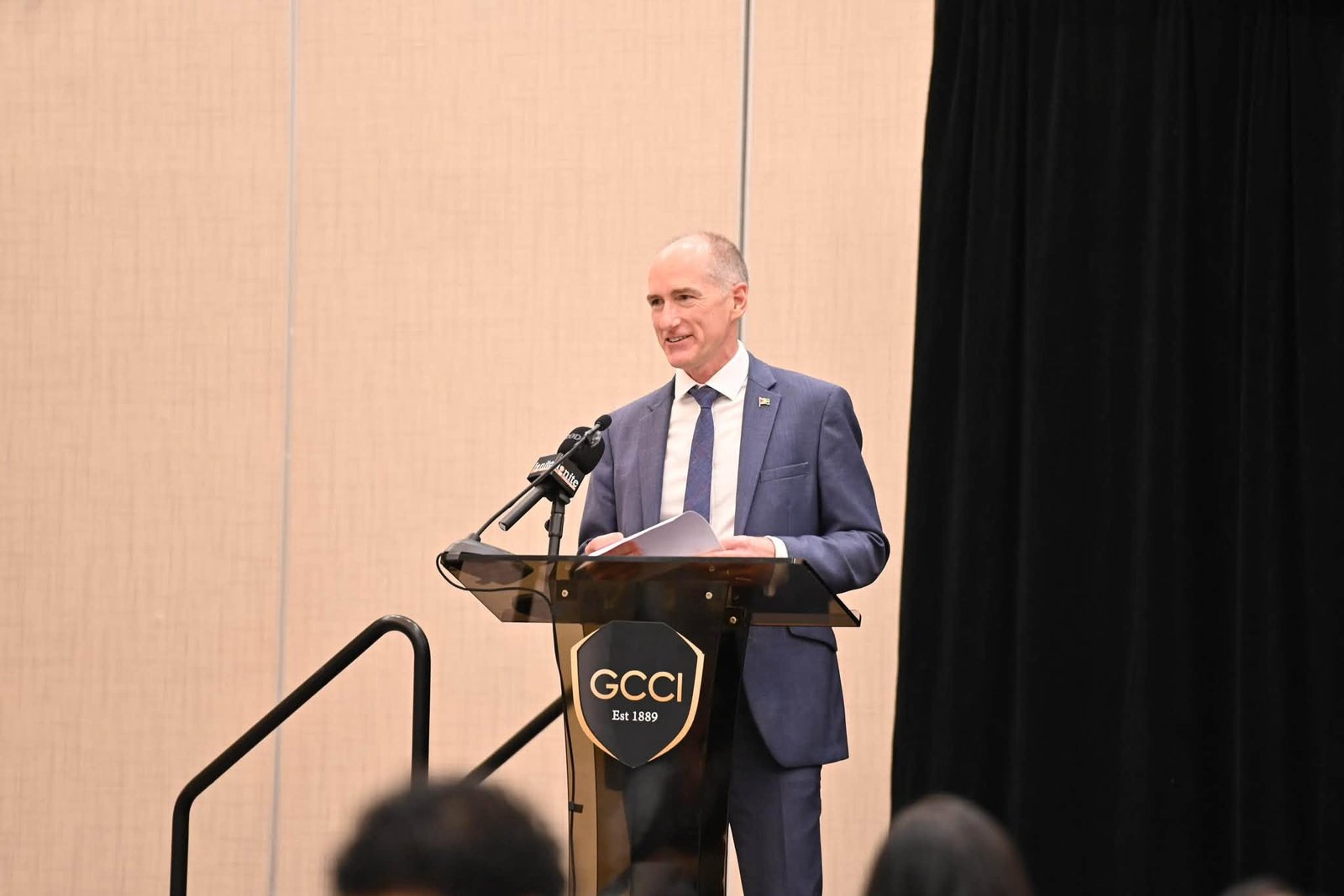
While acknowledging the sector’s significant growth and Guyanese participation, Routledge stressed that oil and gas resources are finite and must be used to deliver lasting benefits for the country.
“Developing the resources of the country needs to be for the benefit of the people of the country. It needs to be maximised, because they are finite resources,” he said.
Routledge said the country’s people are its most valuable long-term resource and called for continued investment in human capital so Guyanese can benefit from the opportunities the sector is generating.
“The people are the most valuable resource for the long term. And so, we need to make sure we maximise the value of that resource, in the development of the country, and the furtherment of the opportunities for the Guyanese people,” he added.
The discussions at the luncheon ultimately centred on a broader question facing Guyana’s private sector: how local businesses can use the current oil-driven economic expansion to develop sustainable companies, create expertise and identify opportunities in industries that extend well beyond petroleum.
As Guyana’s economy continues to attract significant investment, speakers emphasised that local contractors would need to strengthen their skills, capital, partnerships and systems to move into more complex, higher-value areas of the economy.