






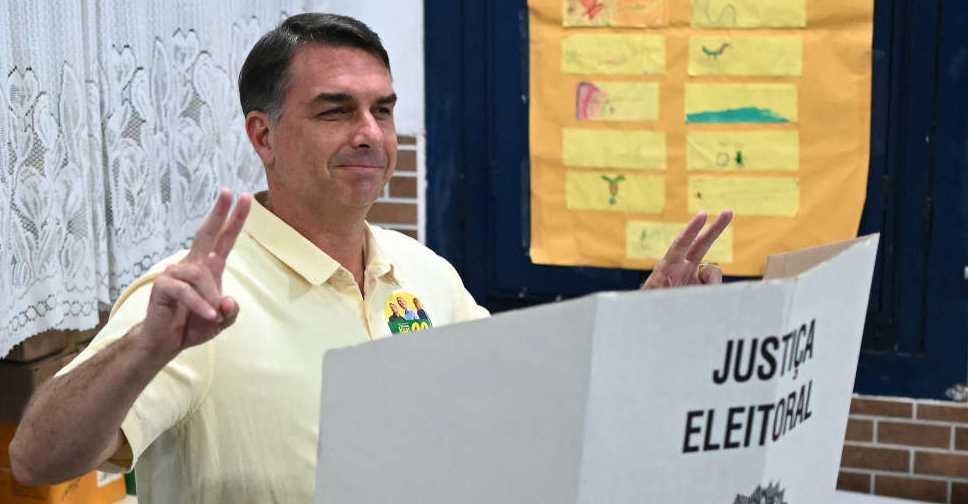
Brazil’s presidential election is heading for a decisive second round after right-wing Senator Flávio Bolsonaro finished ahead of incumbent President Luiz Inácio Lula da Silva in the first round.
With 99.99% of ballots counted, Bolsonaro secured 47.03% of the valid vote, receiving more than 56.1 million votes. Lula finished second with 45.16%, or nearly 53.9 million votes. Neither candidate crossed the 50% threshold required for an outright victory.
The result was stronger than many pre-election polls had predicted for Bolsonaro. Surveys had generally shown Lula with a narrow advantage or the two candidates in a statistical tie. Bolsonaro’s first-round performance has therefore given Brazil’s right-wing movement significant momentum heading into the runoff.
The runoff is scheduled for October 25, when voters will choose between Bolsonaro, the 45-year-old son of former President Jair Bolsonaro, and Lula, who is seeking another term after returning to the presidency in 2023.
The campaign has been shaped by concerns over the cost of living, crime, corruption and public spending. Bolsonaro has sought to capitalize on voter dissatisfaction with economic conditions and security, while Lula has defended his government’s record and emphasized social welfare and national sovereignty.
The election is also being closely watched beyond Brazil. Bolsonaro is aligned with the political right and has ties to U.S. President Donald Trump, while Lula’s government has maintained a different approach to foreign policy and relations with Washington. A Bolsonaro victory would represent another major shift to the right in Latin American politics.
With the first round now complete, both campaigns face three weeks of intense campaigning to attract voters who backed eliminated candidates. The October 25 runoff will determine whether Brazil continues under Lula’s left-wing leadership or returns to power under the Bolsonaro political movement.