




As the International Court of Justice inches toward one of the most consequential border rulings in South American history, ExxonMobil is not waiting around with its hands folded. The oil giant has made its position crystal clear: Guyana’s land boundary with Venezuela was settled in 1899, and when the court officially confirms this, the company plans to push further into territory that has been out of reach for years.
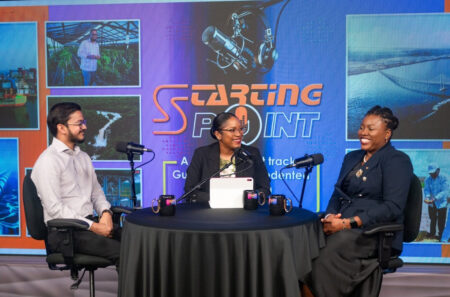
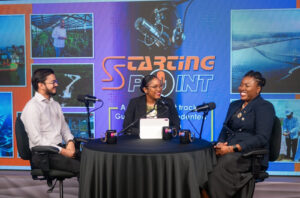
ExxonMobil Guyana President Alistair Routledge laid it all out at a press conference at the company’s Ogle headquarters on Tuesday, speaking with the kind of measured confidence that comes from having billions of dollars already in the ground.
“We feel very confident that the territory—the onshore land border—is very clear,” Routledge told reporters.
That confidence, he was careful to point out, is not just corporate optimism. It is grounded in more than a century of legal history. The 1899 Arbitral Award — an international arbitration process pushed for and supported by the United States — formally drew the boundary between what was then British Guiana and Venezuela. ExxonMobil views that award as the definitive word on where one country ends and the other begins, and Routledge said the company regularly makes that case to policymakers involved in broader diplomatic discussions around the dispute.
“What we do is educate on the business we have in the countries involved, so that those policymakers are at least informed about the facts of our business, as well as the history of the Arbitral Award in 1899—what led up to it and how it was conducted,” he said.
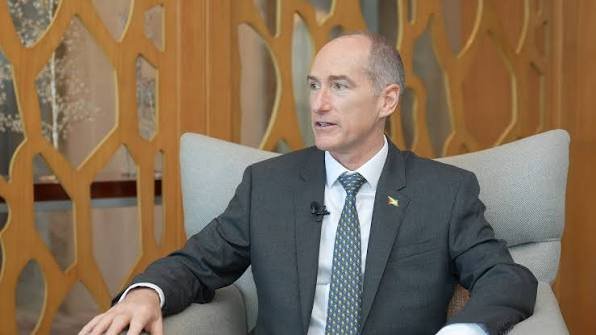
Routledge was quick to draw the line between advocacy and diplomacy. Settling international border disputes is the job of sovereign states and international courts, not oil companies. But once that settlement comes, ExxonMobil wants to be ready. The company has its sights set on sections of the vast Stabroek Block that sit closer to the contested boundary — areas it has not been able to touch precisely because of the unresolved controversy hanging over the region.
“We look forward to the day when we can explore north,” Routledge said plainly. He also suggested that, given its historical involvement in the original arbitration and its current geopolitical weight, the United States could play a meaningful role in encouraging both Guyana and Venezuela to accept and act on the ICJ’s ruling once it arrives.
His broader message was one of commitment. He stressed that ExxonMobil is not a company seeking a quick exit. “We’re here for the long term. We made our commitments to develop the Stabroek Block under the petroleum agreement,” he said.
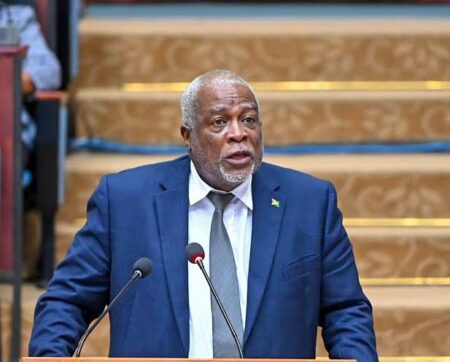
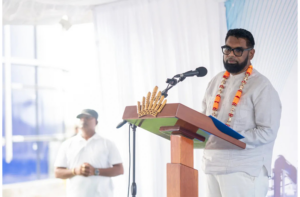
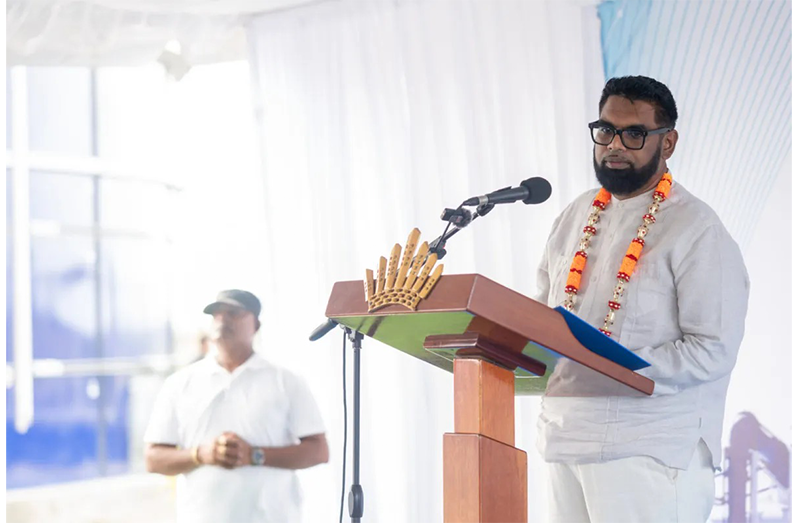
On Guyana’s side, the message from the top has been equally firm. President Dr Irfaan Ali, speaking earlier this week at the commissioning of a new water treatment plant on Leguan Island — a community that sits squarely within Essequibo and within Guyana’s undisputed territory — left no room for ambiguity about where his government stands.
“Because we are confident about what is ours,” Ali said, adding that Guyana, as a responsible member of the international community, would fully abide by whatever ruling the ICJ delivers.
His remarks came at a tense moment. A Reuters report suggested that a senior American official had floated the idea of Guyana ceding part of Essequibo to Venezuela as a diplomatic compromise. Georgetown’s response was swift and blunt. The Ministry of Foreign Affairs rejected the suggestion outright and reaffirmed Guyana’s unwavering commitment to allowing the ICJ to do its work.
Ali also pointed to recent statements from Washington affirming that the United States respects the 1899 Arbitral Award and regards it as a full, final, and complete resolution of the land boundary — language that dovetails neatly with Guyana’s own position and undercuts any suggestion of a backroom territorial deal.
Oral hearings at the ICJ concluded in May 2026. A ruling is widely expected between late 2026 and early 2027. When it comes, it will not only shape the future of Guyana-Venezuela relations — it will also determine the fate of one of the planet’s most valuable oil frontiers. For its part, Exxonmobil is already planning for what comes next.