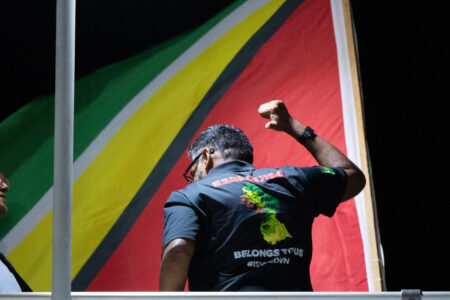






President Dr Mohamed Irfaan Ali has drawn a firm line in the sand: Essequibo belongs to Guyana, and that is not up for discussion — not with Venezuela, not with foreign powers, and not at any negotiating table.
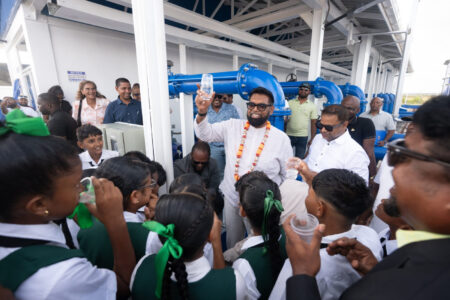
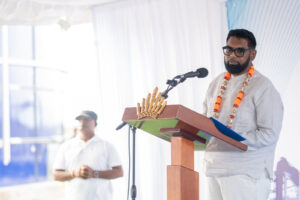
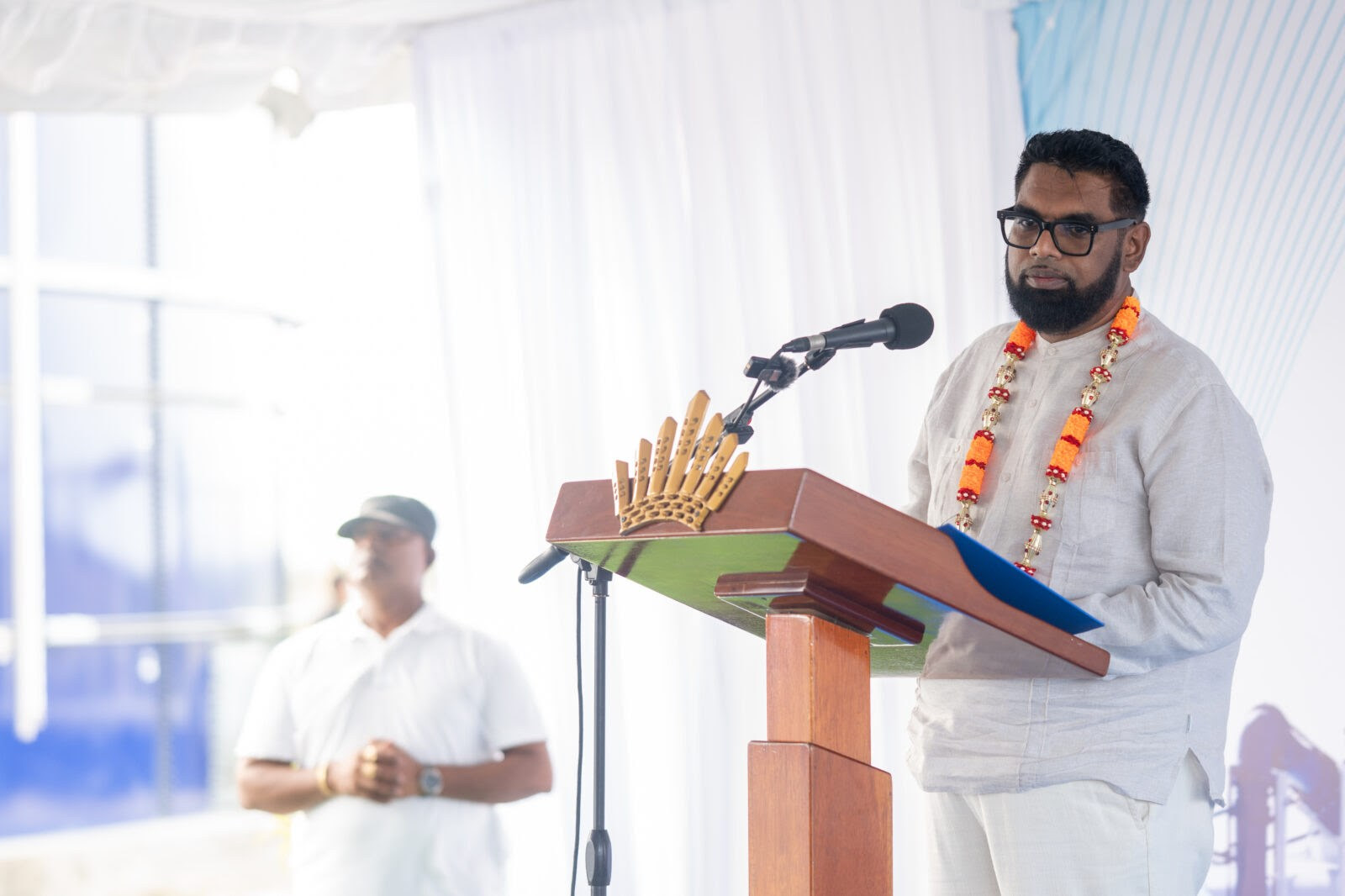
Speaking on Sunday at the commissioning of a new water treatment plant in Leguan, an island that sits squarely within the disputed Essequibo region, President Ali used the occasion to deliver one of his most emphatic public statements yet on the country’s territorial dispute with Venezuela.
“Leguan is Guyanese. Essequibo is Guyanese and Essequibo shall remain Guyanese. There is no debate about that,” he told those gathered at the event, adding that his government would defend every square inch of Guyana’s territory without compromise. “All of Essequibo belongs to Guyana. None of it will be surrendered.”
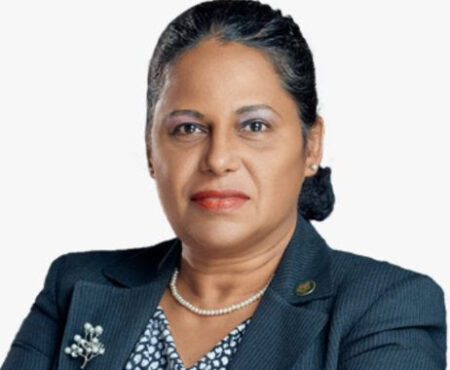
The timing of the remarks was deliberate. They came in direct response to a Reuters report suggesting that a senior American official had privately floated the idea of Guyana ceding part of Essequibo to Venezuela as a possible path to easing tensions. The proposal was swiftly and firmly rejected. Guyana’s Ministry of Foreign Affairs called the suggestion unacceptable and reaffirmed the country’s position: the border dispute will be settled through the International Court of Justice, and through no other means.
President Ali, who also serves as Commander-in-Chief of the Armed Forces, pointed to recent statements from Washington affirming that the United States respects and honours the 1899 Arbitral Award — the ruling that legally established Guyana’s land boundary and which Guyana has long argued constitutes a full, final, and complete settlement of the matter. For him, that American acknowledgment matters, and he made clear Guyana intends to hold its allies to those words.
He also pushed back against any narrow definition of sovereignty. Defending the land, he argued, is only one part of the equation. True sovereignty, he said, means ensuring that the people who live on that land — including those in far-flung communities like Leguan — actually see their lives improve. National development, access to clean water, essential services, and a better quality of life are not just domestic policy goals; they are, in his framing, an assertion of Guyana’s presence and permanence on its own soil.
That message was underscored by the very location of the speech. Commissioning a new water treatment plant in Essequibo was not an accident of scheduling. It was a statement.
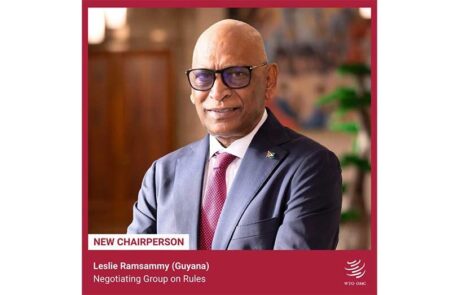
Foreign Affairs Minister Hugh Todd added further context in a separate address on Friday evening, noting that the ICJ proceedings are now entering their final stage. A judgement, he said, could come as early as the first quarter of 2027 — meaning the legal clock is ticking, and Guyana is confident in what it expects that verdict to say.
For now, Guyana’s position remains exactly what it has always been: the land is theirs, the law is on their side, and they are not going anywhere.