





As Guyana’s economy continues its rapid transformation through oil and gas development, the country’s maritime sector is experiencing unprecedented growth, prompting government officials to intensify monitoring and oversight to prevent rising shipping costs and supply chain disruptions from affecting citizens.
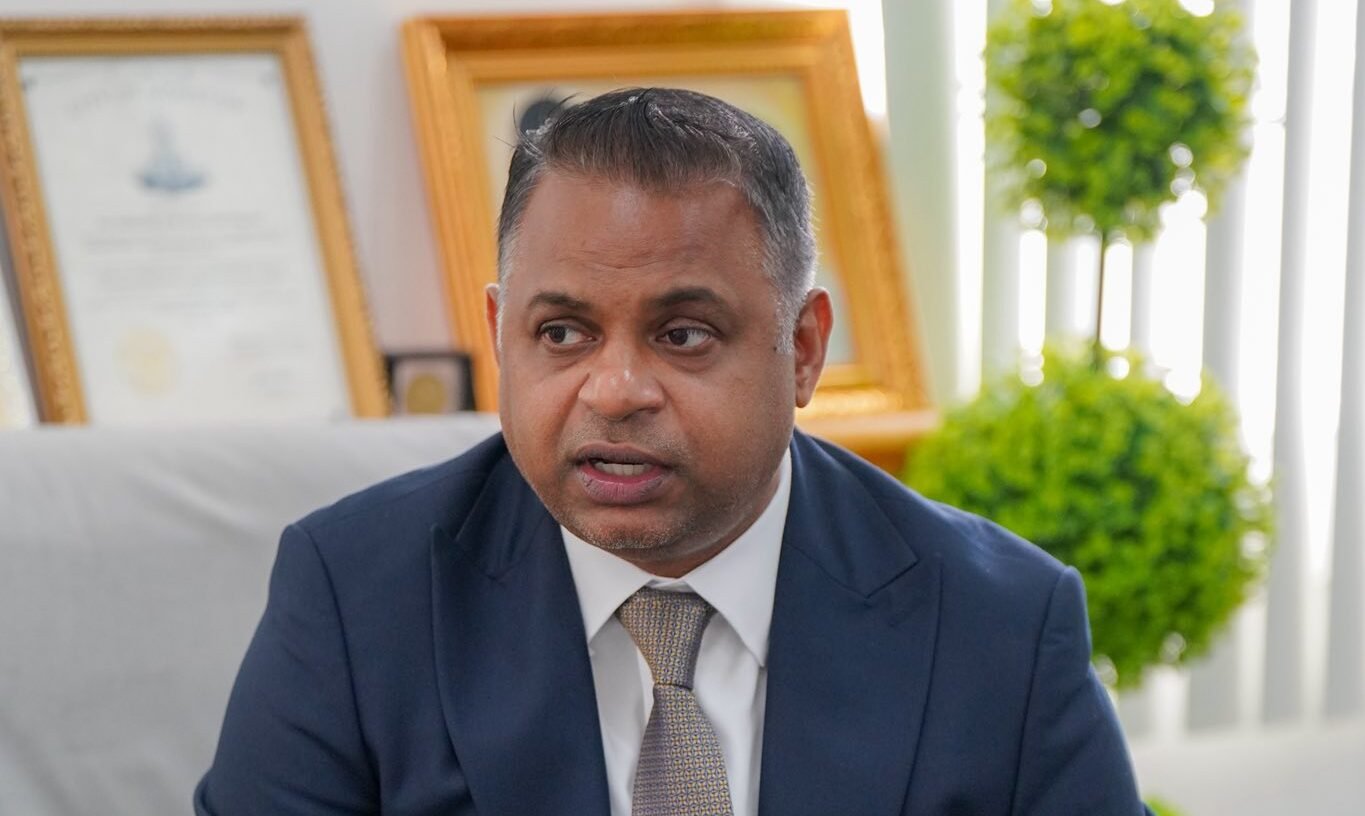
Minister of Public Utilities and Aviation, Deodat Indar, has warned that Guyana’s growing dependence on international shipping leaves the country vulnerable to global disruptions, particularly as import volumes and vessel traffic continue to surge.
During a recent appearance on the Guyana Dialogue programme, the minister explained that the global shipping industry is an interconnected network in which problems in one region can quickly have economic consequences worldwide, including in Guyana.
He highlighted critical international trade routes, including the Strait of Hormuz and the Panama Canal, noting that disruptions in these areas can delay shipments, increase freight costs and put further pressure on the prices of goods imported into Guyana.
According to Indar, Guyana imports products from multiple regions, including North America, Central America, the Caribbean, Asia and the Middle East, and relies heavily on major international shipping hubs such as Rotterdam to move cargo. As a result, any instability in the global supply chain can rapidly affect local markets and increase the cost of living.
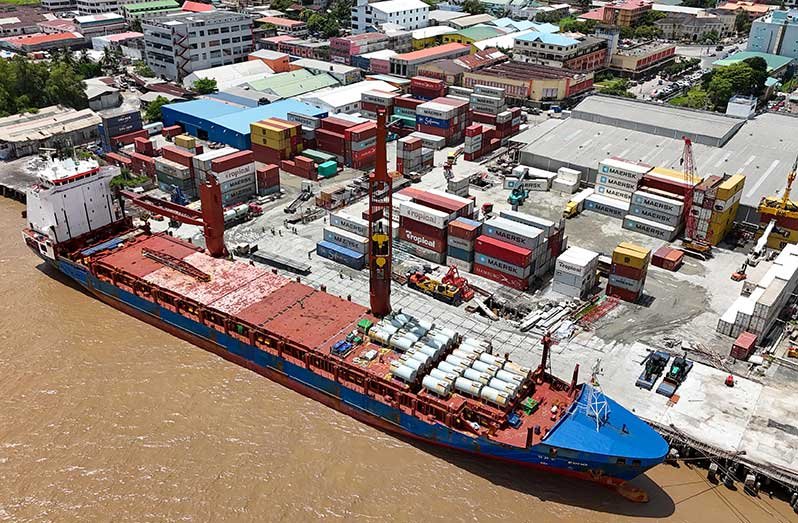
The minister stressed that shipping costs now play a major role in determining consumer prices, making it essential for authorities to closely monitor international freight trends and logistical challenges.
Guyana’s expanding oil and gas industry has further intensified activity in the maritime sector, with offshore operations driving a significant rise in vessel movements and cargo imports over the past several years.
Minister Indar revealed that container imports have grown dramatically, rising from roughly 50,000 TEUs around 2020 to nearly 150,000 TEUs by the end of 2025. At the same time, annual ship arrivals have climbed from just over 1,000 vessels to approximately 3,600.
The minister noted that the country’s waterfront infrastructure is also expanding rapidly, with new shore bases, wharves, fuel storage facilities, and sand-and-stone operations being developed to support economic growth and offshore development.
With maritime traffic increasing at such a rapid pace, Indar said the government now requires more resources, upgraded assets and highly trained personnel to manage and regulate the sector effectively while maintaining safety and operational efficiency.
He explained that the Maritime Administration Department (MARAD) has been working closely with the Guyana Defence Force Coast Guard and other agencies to strengthen enforcement, improve coordination, and ensure Guyana’s maritime space remains secure and properly regulated.
The minister also disclosed that he recently met shipping stakeholders to discuss concerns about port congestion, demurrage fees and logistical bottlenecks that continue to affect the movement of goods across the country.
While acknowledging the complexity of the challenges, Minister Indar expressed confidence that greater cooperation among shipping companies, port operators and government agencies can help reduce costs, improve efficiency and ensure that economic growth benefits the wider population rather than a small group of stakeholders.
Minister Deodat Indar emphasised that balancing profitability with national development will be critical as Guyana continues to emerge as one of the world’s fastest-growing economies.