






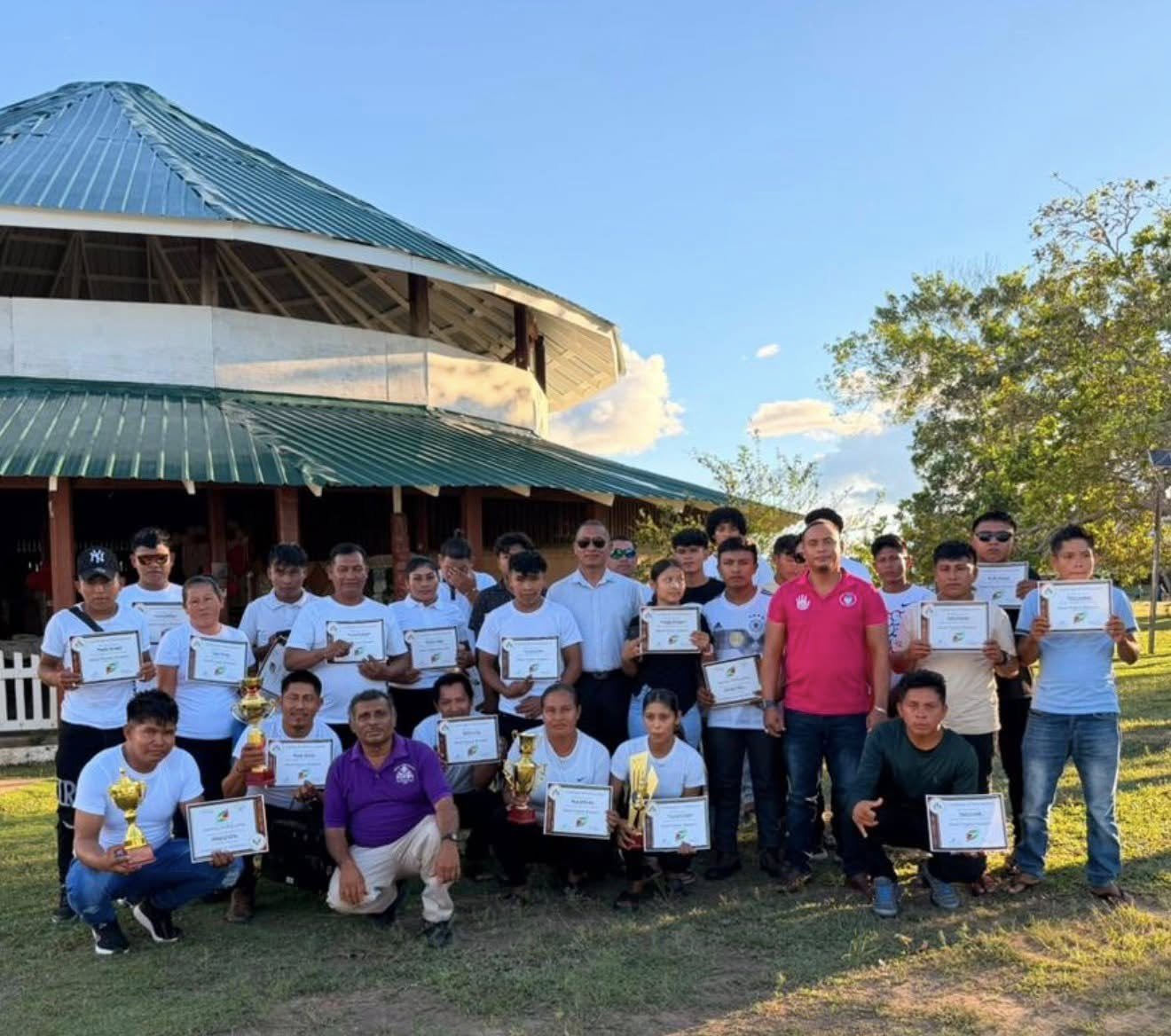
Twenty-nine Community Service Officers (CSOs) from Regions One, Eight, Nine and Ten have graduated from a small engine repairs training programme at the Bina Hill Institute in Region Nine.
The initiative forms part of the government’s continued investment in youth empowerment and technical training in hinterland communities through the Ministry of Amerindian Affairs.

In an interview with the Department of Public Information (DPI) on Saturday, Regional Coordinator for the Ministry of Amerindian Affairs, Alister Charlie, said the programme was designed to equip youths with practical skills that can contribute to development within their villages.
The member of parliament explained that the training will enable CSOs to assist with the repair and maintenance of machinery provided to villages by the government, including generators, water pumps, chainsaws, brush cutters and outboard engines.
“The programme is a stepping stone for our young people into the working world, where they can acquire life skills, become entrepreneurs and contribute meaningfully to the development of their communities,” MP Charlie stated.
He noted that the training is particularly important for remote communities where transportation costs and access to repair services can pose major challenges.
The trained CSOs will play an important role in ensuring critical machinery remains operational, reducing downtime in hinterland communities.
“They are now equipped with the basic technical skills to support village councils with repairs and maintenance of equipment. This will help communities save time and resources while improving essential services,” he explained.
MP Charlie also highlighted that the Ministry of Amerindian Affairs continues to provide opportunities through scholarships and technical education programmes at institutions such as the Government Technical Institute (GTI), Carnegie School of Home Economics (CSHE) and the Guyana School of Agriculture (GSA).
He said the Bina Hill Institute was selected for the programme because of its conducive learning environment and its potential to support expanded technical training initiatives for hinterland youths.
The regional coordinator encouraged young people across Amerindian communities to take full advantage of the opportunities being provided by the government.