






The fragile ceasefire between the United States and Iran appears to be rapidly unraveling as both sides exchanged fresh military strikes and issued sharp warnings over the weekend, raising fears of renewed conflict across the Gulf region.
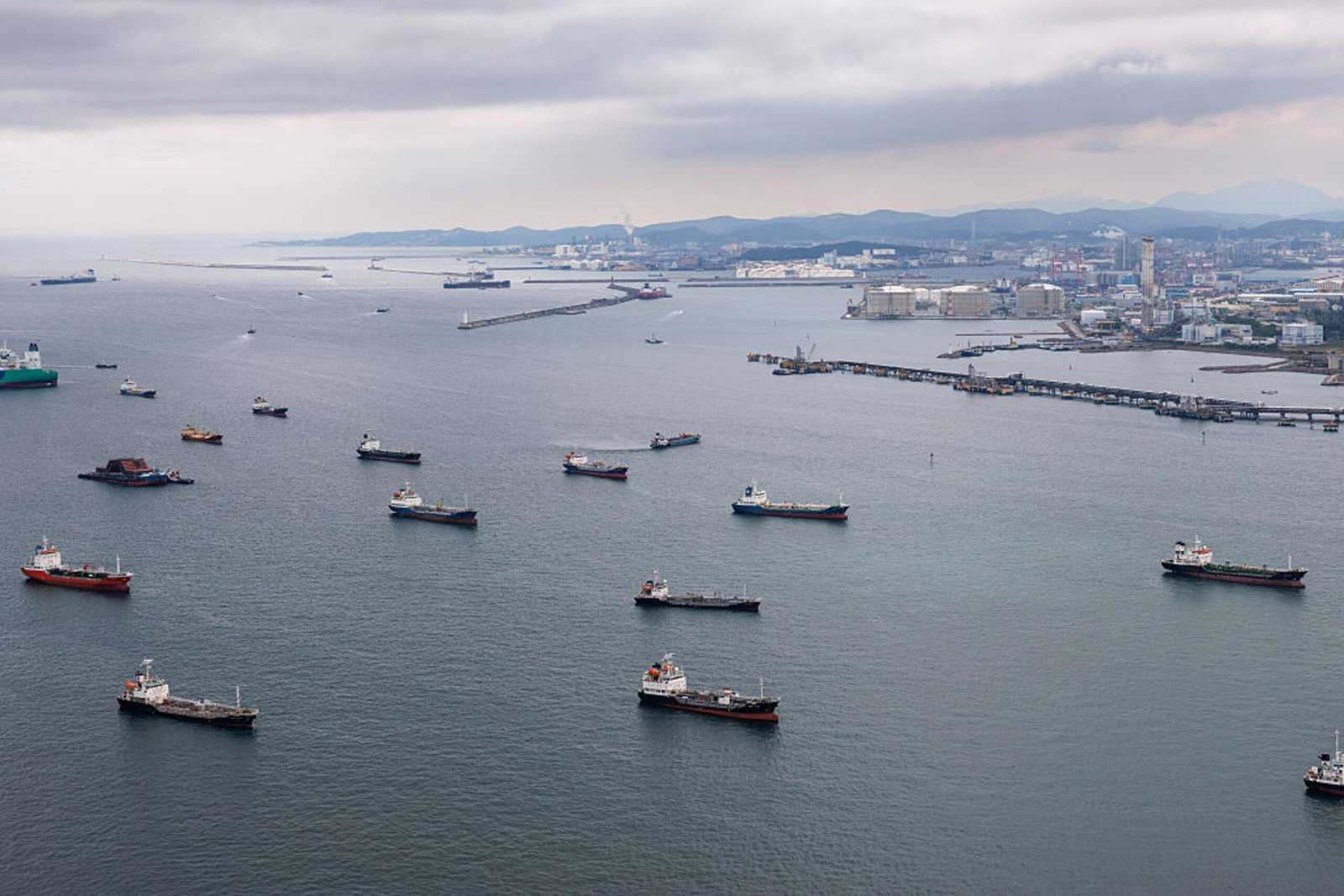
Iran’s Revolutionary Guard Corps (IRGC) said that recent US airstrikes on the southern Iranian port of Sirik would not weaken Tehran’s influence over the strategically vital Strait of Hormuz. The Guard insisted that Iran remains fully capable of defending its maritime interests and warned that military pressure would not alter the regional balance.
The latest escalation occurs less than two weeks after Washington and Tehran agreed to an interim ceasefire to end nearly four months of hostilities. Both governments now accuse each other of violating the agreement.
On Sunday, Iran announced that its naval and aerospace forces launched a coordinated missile and drone operation targeting US military facilities in Kuwait and Bahrain. Iranian officials described the strikes as retaliation for what they called repeated American violations of the ceasefire and warned that any further aggression would be met with an even stronger response.
Earlier, the US military confirmed it had carried out another round of strikes against Iranian military assets following an attack on a commercial tanker in the Strait of Hormuz. According to US Central Command, the operation targeted Iranian missile launch sites, drone facilities, and radar installations. Washington said the action was taken in direct response to continued Iranian attacks on commercial shipping in one of the world’s most critical energy corridors.
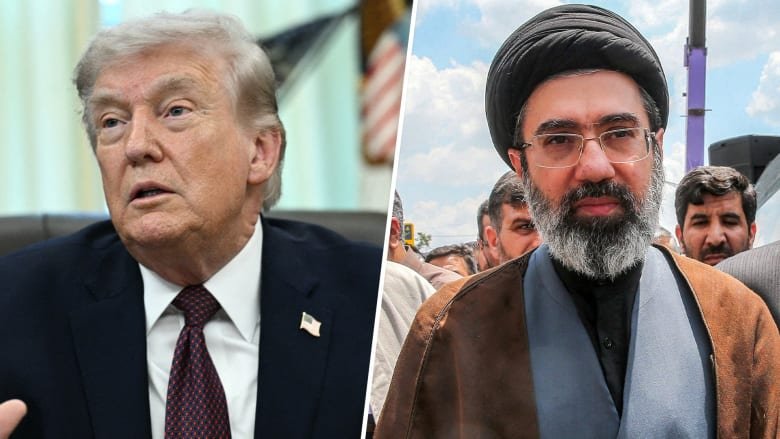
US President Donald Trump also escalated rhetoric, issuing a stern warning on Truth Social. He said Iran would “no longer exist” if it continued to breach the ceasefire and accused Tehran of repeatedly violating the agreement. Trump defended the latest US military action, saying the strikes were necessary to deter further Iranian aggression.
The renewed exchange of attacks has heightened concerns among regional and international observers that the ceasefire may be on the verge of collapse, with the Strait of Hormuz once again emerging as a potential flashpoint for a wider conflict.