





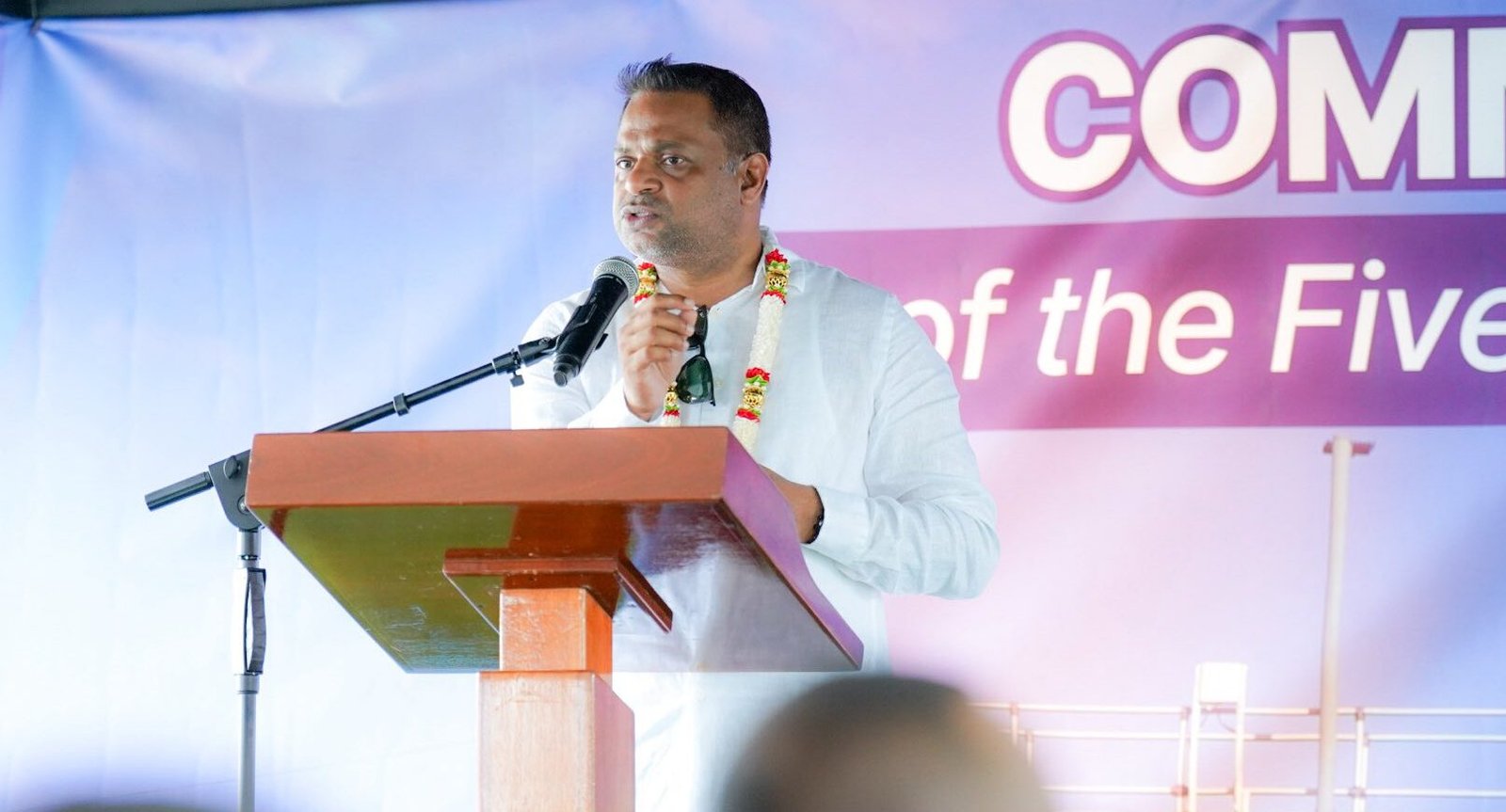
President Irfaan Ali has signalled a major institutional shift in Guyana’s development strategy, declaring the newly formed Ministry of Public Utilities and Aviation central to improving national efficiency, expanding infrastructure, and positioning the country as a competitive force in the Caribbean.
The Head of State made the remarks during the commissioning of the Five Miles Bartica Water Treatment Plant in Region Seven, where he outlined an ambitious vision for the ministry’s expanded role. According to the President, consolidating utilities and aviation under one portfolio reflects the scale and pace of Guyana’s economic transformation, as well as the need for service delivery systems that can keep pace.
He argued that the reliability and responsiveness of electricity and water services will increasingly define Guyana’s attractiveness to investors and its overall economic performance. Faster utility connections, a stable residential supply, and improved customer service, he said, are no longer optional—they are essential benchmarks of a modern state.
To support this agenda, the National Assembly has approved approximately $140 billion for the ministry under the leadership of Deodat Indar. The allocation places strong emphasis on capital investment, signalling a drive towards expansion, upgrades and long-term system resilience.
Beyond domestic service improvements, President Ali outlined a broader energy strategy centred on emerging gas resources. With liquefied petroleum gas (LPG) and liquefied natural gas (LNG) expected to expand Guyana’s energy capacity, he said the country is exploring regional supply partnerships that could see power exported to Caribbean states through structured power-purchase agreements.
He noted that smaller island nations with modest energy needs could benefit from collaboration with Guyana, creating natural markets for locally produced gas and strengthening regional energy security. Such arrangements, he suggested, would also stimulate private-sector growth and deepen Guyana’s role as an energy hub.
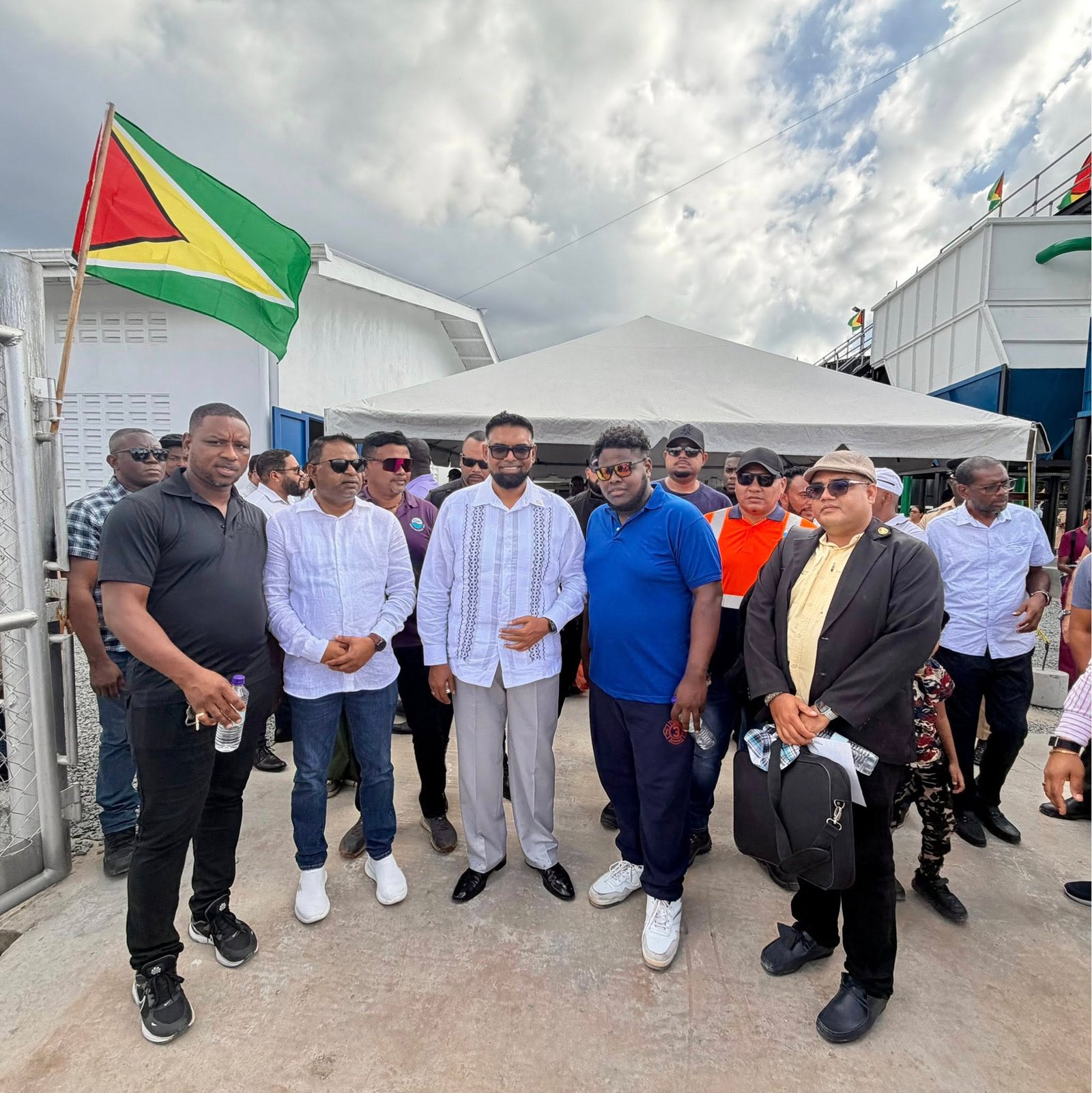
Water infrastructure remains a priority. Through ongoing investments by Guyana Water Incorporated (GWI), the government is advancing major projects in hinterland communities and coastal regions. However, the President emphasised that the concept of “access” is evolving. In remote communities, residents are increasingly demanding direct household connections rather than communal supply systems, which require more complex and costly deployment.
In addition to improving distribution, the administration is examining how Guyana’s vast freshwater reserves can be managed as a strategic economic asset. The President called for integrated water-resource planning to ensure sustainable use and to explore value-added opportunities, including expanding domestic bottled-water production to reduce imports.
Aviation was also identified as a transformative pillar of the new ministry’s mandate. Expanded airport infrastructure, additional terminals and enhanced connectivity are expected to support tourism, trade and investment. The President indicated that within five years, the government intends to measure more precisely the contribution of aviation and utility services to national GDP, embedding accountability and performance tracking within the sector’s growth.
According to President Ali, the ministry has been deliberately structured to bring together experienced professionals and younger talent to drive innovation across the energy, water and aviation portfolios. He called for collaboration between seasoned experts and emerging leaders to develop solutions aligned with Guyana’s long-term development ambitions.
In framing the broader objective, the President described the Ministry of Public Utilities and Aviation as more than a service provider. He positioned it as a strategic engine for economic diversification—one tasked with modernising infrastructure, unlocking the value of natural resources, and ensuring that reliable, efficient, and forward-looking public services keep pace with Guyana’s rapid expansion.
The President entrusted this critical portfolio to Minister Deodat Indar in recognition of his proven efficiency, results-driven leadership and unwavering commitment to delivery. Known for his hands-on approach, strategic thinking and ability to deliver projects on schedule, Minister Indar has consistently demonstrated the discipline, innovation and accountability required to translate policy into measurable national progress.