






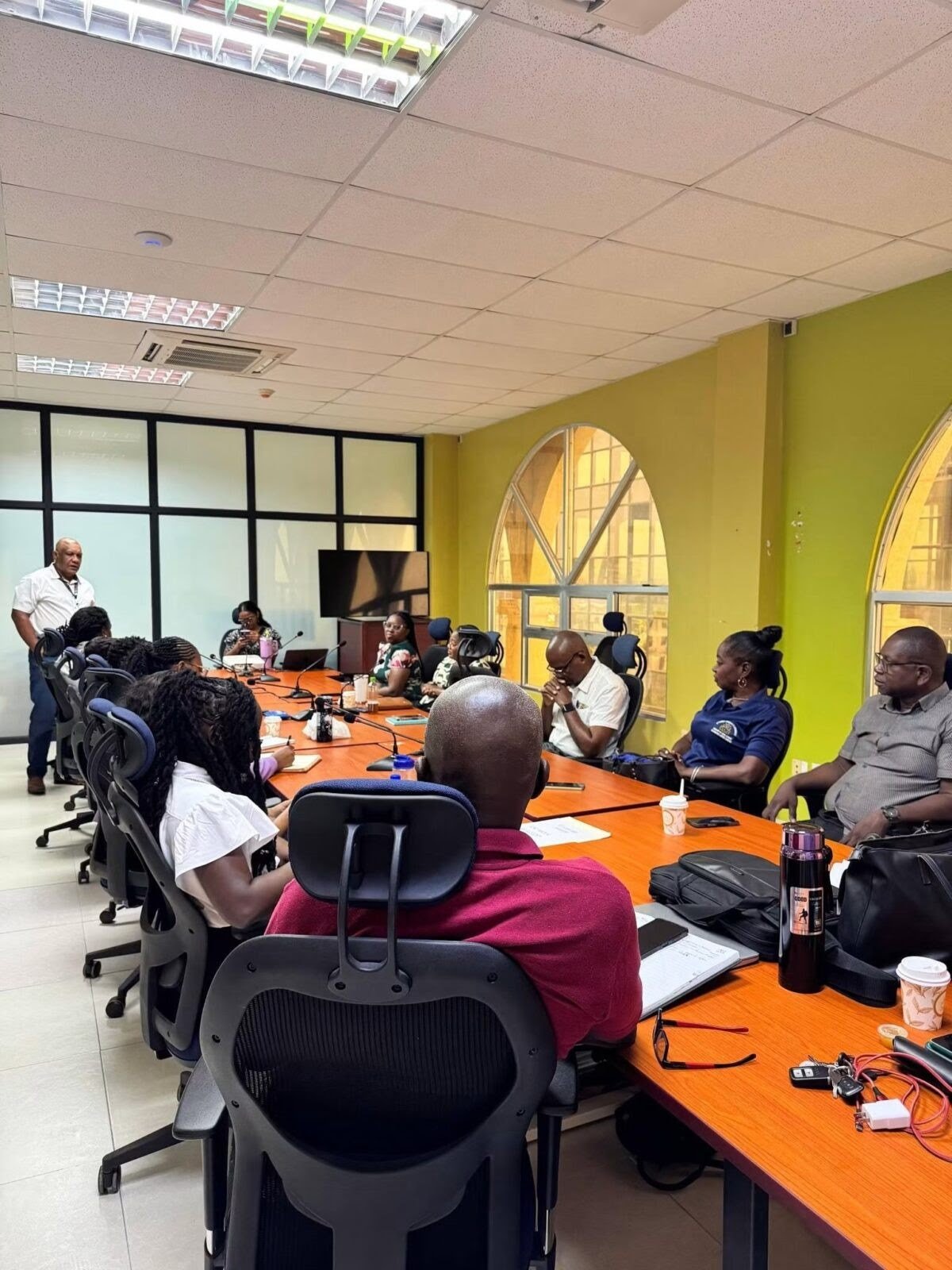
The Ministry of Health’s Mental Health Unit continues to expand its training initiatives to strengthen mental health awareness, suicide prevention and early intervention, with hundreds of persons already trained under the Gatekeepers Programme.
The initiative has been rolled out in ministries, government agencies, schools, community organisations and private groups as part of a coordinated national effort to improve mental health literacy and community-based support systems.
To date, between 150 and 175 persons have benefited from targeted training, with ongoing sessions expected to increase coverage across all 10 administrative regions.
Speaking on Tuesday during an interview with the Department of Public Information (DPI), Head of the Ministry of Health Psychology Department of Training and Education within the Mental Health Unit, Dr Mark Constantine said the Gatekeepers Programme remains a critical component of the country’s mental health response strategy, particularly in addressing suicide prevention at the community level.

He stated that the programme is designed to equip individuals with the skills needed to identify warning signs and provide early support to persons experiencing suicidal thoughts.
“The Gatekeepers Programme is designed to bring heightened awareness to suicide prevention and equip community leaders to respond early and appropriately,” Dr Constantine said.
Dr Constantine noted that the training is also helping to reduce stigma around mental health, encouraging more persons to seek help earlier rather than waiting until conditions become severe. He explained that trained individuals are extending awareness within their communities, creating a wider national impact.
He further emphasised the ripple effect of the initiative across the country.
“What we are doing is creating a ripple effect where trained persons go back into their communities and extend support and awareness,” he said.

The Mental Health Unit has also strengthened its national response through the 915 suicide prevention helpline, which operates 24 hours a day, seven days a week, providing immediate access to professional support from anywhere in the country, even without mobile credit.
Dr Constantine highlighted that stress, anxiety, depression and substance use remain among the most common mental health challenges affecting Guyanese.
“Pay attention to your body, your behaviour and your mood. If you notice that something is not right, seek help early and do not ignore the signs,” he advised.


Mental Health Unit will continue expanding training, outreach and early intervention initiatives in collaboration with key partners, with the aim of strengthening community response systems and ensuring mental health support remains accessible across every region of Guyana.