





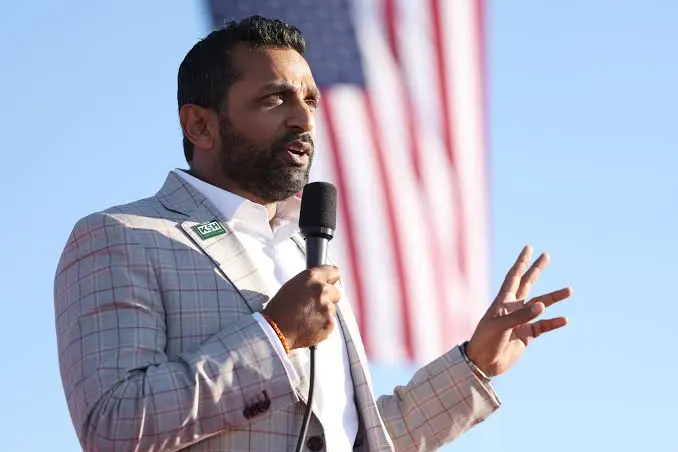
Former Pentagon and intelligence official Kash Patel is set to testify before a Senate committee this week, as lawmakers scrutinize ongoing unrest within the FBI and its connection to high-profile investigations, including the controversial probe into an alleged assassination plot targeting conservative commentator Charlie Kirk.
Patel’s hearing comes at a critical moment, with Republicans and Democrats increasingly at odds over the FBI’s conduct, internal leadership struggles, and the handling of politically sensitive cases. The Senate Intelligence and Judiciary Committees have launched inquiries into how the bureau’s actions may have compromised national security and public trust.
FBI Under Fire
The FBI’s credibility has come under sustained attack following recent leaks, whistleblower reports, and operational failures. Sources within the bureau suggest growing friction among senior officials regarding priorities, resource allocation, and politically charged investigations.
Patel, known for his outspoken stance on intelligence reform and national security, has repeatedly accused the bureau of overreach, politicization, and mishandling critical threats. His appearance before the Senate is expected to shed light on alleged leadership lapses and coordination failures during key investigations.
Charlie Kirk Assassination Plot: A Political Flashpoint
The probe into the assassination plot against Charlie Kirk has further inflamed tensions, with critics accusing the FBI of either mishandling threats or failing to protect conservative figures. Lawmakers are probing how intelligence warnings were processed and whether partisan biases influenced response strategies.
During preliminary questioning, Patel hinted that “serious questions remain about how information was shared internally, and whether threats against prominent voices were deprioritized based on political considerations.”
Patel’s Role and Defense
As a former senior official in defense and intelligence circles, Patel’s testimony is expected to draw sharp lines between bureaucratic inertia and accountability. He has previously advocated for reforms aimed at depoliticizing investigations, strengthening oversight, and improving inter-agency coordination.
Patel is anticipated to defend his record while calling for greater transparency in the FBI’s operations. “National security must never be held hostage by political agendas,” he remarked in a recent briefing ahead of the hearing.
Bipartisan Concerns Emerge
While Patel has been aligned with conservative critiques, some lawmakers from both parties have expressed concerns that intelligence lapses are a systemic issue rather than a partisan problem. Senator [Name], a Democrat on the committee, remarked, “This hearing is about restoring integrity to our security institutions, not about partisan posturing.”
What’s at Stake
The hearing’s outcome could have significant ramifications for FBI leadership and reform efforts. If Patel’s allegations gain traction, lawmakers may push for stricter oversight mechanisms, changes in reporting structures, and enhanced whistleblower protections within intelligence agencies.
For now, all eyes are on the Senate chambers as lawmakers, media, and the public await Patel’s testimony — a moment that could redefine how intelligence is managed in an increasingly polarized environment.