




For years, parents, educators, psychologists, and child development experts have warned about the growing influence of social media on young minds. Today, those warnings can no longer be ignored. Across the world, children are spending countless hours consuming content created by influencers, online personalities, and anonymous individuals whose primary goal is often attention, popularity, and profit rather than education, responsibility, or truth.
Our publication firmly believes that social media platforms should be legally restricted for children under the age of 16.
This is not a call against technology. It is a call to protect childhood.
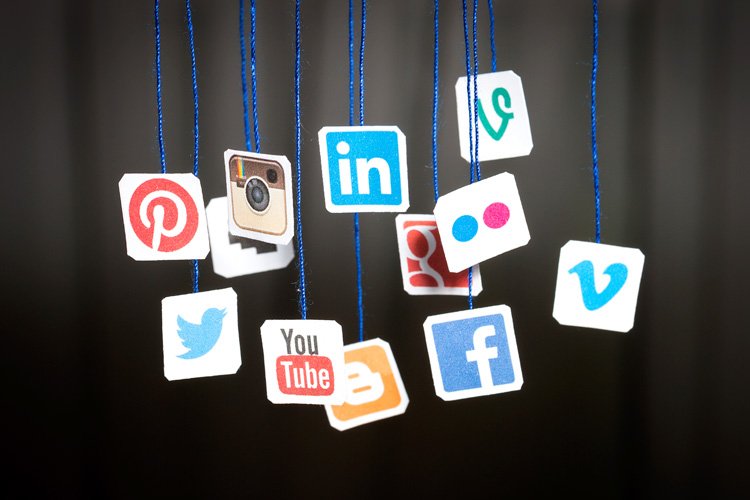
Children between the ages of 12 and 16 are at one of the most vulnerable stages of emotional and psychological development. They are still learning to distinguish fact from fiction, responsible behaviour from reckless conduct, and genuine success from online fantasy. Yet every day they are exposed to a flood of content designed to capture their attention and shape their thinking.
Many social media influencers have become the new role models for children. Unfortunately, not all of them promote positive values. Some glorify materialism, aggression, risky behaviour, unhealthy lifestyles, disrespect for authority, and unrealistic expectations about success and wealth. Young viewers often lack the maturity to evaluate these messages critically and can easily absorb them as normal or desirable behaviour.
The consequences are becoming increasingly visible.
Teachers report declining attention spans in classrooms. Parents struggle to limit screen time. Mental health professionals continue to raise concerns about anxiety, depression, low self-esteem, cyberbullying, and social isolation among teenagers. Children compare their real lives to carefully edited online personas and are often left feeling inadequate, unhappy, and disconnected from reality.
The issue extends beyond mental health. Social media algorithms are designed to maximise engagement. They continuously feed users content that keeps them scrolling, watching, and interacting. Adults may struggle to resist these systems; expecting young children to do so is unrealistic.
Several countries are already exploring stronger regulations to protect minors online. Governments around the world recognise that unrestricted access to social media may pose significant risks to children and adolescents. The conversation is no longer about whether there is a problem. It is about how quickly society is willing to act.
We believe the answer is clear.
Children under 16 should not have unrestricted access to social media platforms. Age verification systems should be strengthened. Technology companies must be held accountable for protecting minors. Parents should receive greater support in monitoring online activity, and schools should educate students about digital responsibility and online safety.
Critics will argue that social media helps children stay connected and informed. While there is some truth to that argument, the potential benefits do not outweigh the growing evidence of harm. Young people can still communicate with family and friends through supervised and age-appropriate digital platforms without being exposed to the endless stream of manipulative content that dominates many social media networks.
Childhood should be a time for learning, creativity, outdoor activities, family interaction, and personal growth—not endless scrolling through content crafted by algorithms and influencers seeking views and followers.
As a publication, we take a clear and unapologetic stance: social media access should be restricted to those under 16. Governments, parents, educators, and technology companies must work together to create a safer digital environment for future generations.
Several countries around the world have already recognised the dangers social media poses to young people and have either implemented or proposed age-based restrictions.
Australia became the first country to ban social media access for children under 16, while the United Kingdom has announced plans to introduce a similar ban. Countries such as France, Spain, Denmark, Greece, Germany, Poland, Slovenia, and Turkey are also advancing legislation to restrict minors’ access, while the United Arab Emirates has established a minimum social media age requirement of 15. Indonesia and Malaysia have also moved toward stricter controls on youth access to social media platforms.
These measures reflect a growing global consensus that governments must play a more active role in protecting children from the harmful effects of social media addiction, cyberbullying, online predators, misinformation, and negative mental health impacts. Guyana should not wait until the problem becomes a crisis.
Minister Kwame McCoy and the Government of Guyana have an opportunity to follow the lead of these nations and introduce legislation to prohibit children under 16 from accessing social media, placing the safety and future of Guyanese youth above the interests of technology companies.
As an online newspaper, we strongly believe that the Government of Guyana must seriously consider banning children under 16 from accessing social media. The growing influence of online personalities, misleading content, cyberbullying, and algorithm-driven platforms is profoundly affecting the mental health, behaviour, and development of young people. Parents alone cannot shoulder this responsibility.
We therefore call on Minister Kwame McCoy to take the lead in initiating a national discussion and developing legislation that prioritises the safety and well-being of Guyana’s children. Protecting the next generation from harmful online influences is not about limiting freedom—it is about safeguarding their future.
The Government has a duty to act now, before more young minds become victims of a digital environment that often places profits above people. The time has come for decisive leadership, and Minister Kwame McCoy has an opportunity to champion a policy that puts Guyana’s children first.