





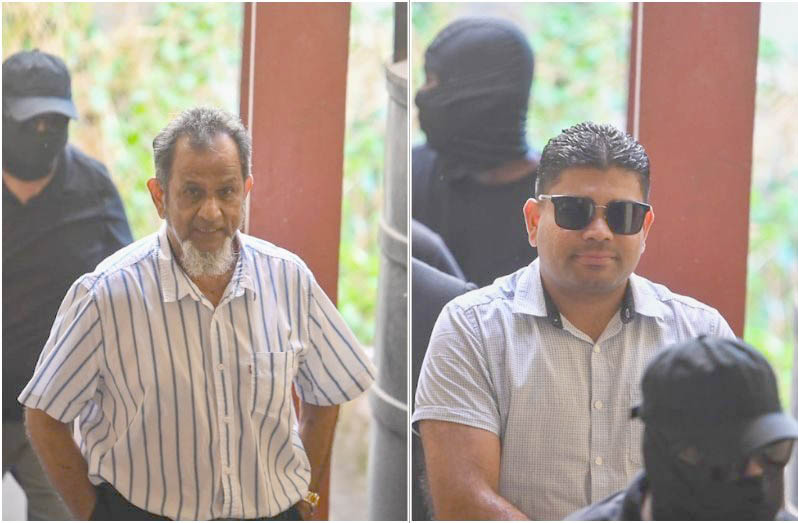
A significant High Court ruling has paved the way for the possible extradition of Opposition Leader Azruddin Mohamed and his father, Nazar Mohamed, to the United States, even as Attorney General Anil Nandlall sharply criticised what he described as persistent delays in the lower court proceedings.
In a detailed 26-page judgment delivered on Tuesday, Acting Chief Justice Navindra Singh rejected most of the constitutional arguments advanced by the Mohameds against key provisions of the Fugitive Offenders Act, the statute governing extradition in Guyana.
The court upheld the constitutionality of several challenged sections of the Act, including 8(3)(A)(a), 8(3)(A)(b), and 8(3)(B)(c). However, it struck down Section 8(3)(B)(b), finding it unconstitutional and void. Despite that finding, the Attorney General asserted that the invalidated provision does not materially affect the ongoing extradition proceedings.
The Mohameds argued that amendments introduced in 2009 compromised fundamental constitutional protections, including judicial independence, personal liberty, equality before the law, and the right to a fair hearing. Central to their case was the contention that the Minister’s power to issue an Authority to Proceed improperly injected executive influence into what should be a strict judicial process.
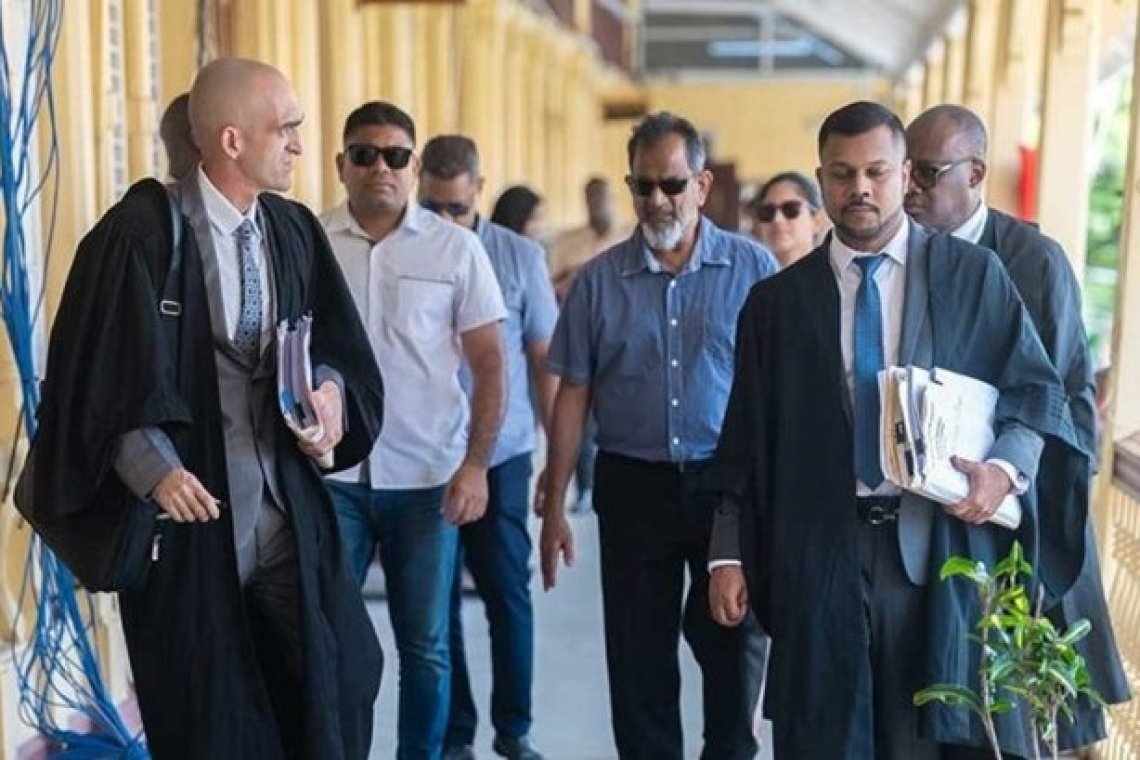
Justice Singh disagreed, holding that the law’s framework preserves judicial autonomy. He emphasised that extradition committal hearings are conducted by a Magistrate who, independently, determines whether the legal threshold for surrender has been met, based on the evidence and documentation provided by the requesting state.
Responding to the ruling, Nandlall maintained that the court’s decision effectively removes a major constitutional barrier. He underscored that the struck-down subsection does not impede extradition and noted that treaty protections, together with assurances from the United States, safeguard against onward surrender without Guyana’s consent.
On the other hand, Senior Counsel Roysdale Forde, who leads the defence, described the outcome as mixed. While welcoming the court’s decision to invalidate one section, he indicated that his team intends to appeal aspects of the ruling that did not go in their favour, signalling that the constitutional battle is far from over.
The High Court decision comes amid ongoing extradition proceedings before Principal Magistrate Judy Latchman at the Georgetown Magistrates’ Court. The United States is seeking the surrender of the Mohameds following a grand jury indictment in the Southern District of Florida.
According to the indictment, the father and son allegedly participated in a complex scheme between 2017 and 2024 involving gold smuggling, tax evasion, money laundering, and bribery. US authorities claim the operation caused more than US$50 million in unpaid taxes and royalties.
Attorney General Nandlall expressed frustration at what he described as deliberate attempts to delay the committal hearing, which formally began in October 2025 after the extradition request was transmitted. He accused the defence of using procedural tactics, including questionable medical justifications, to delay the matter.
He reiterated that extradition hearings are not criminal trials but limited inquiries to determine whether the legal requirements for committal are satisfied. The Magistrate’s role, he stressed, is confined to reviewing the indictment and supporting documents to assess whether they meet the statutory test.
Meanwhile, proceedings in the Magistrates’ Court continue. After more than a month of testimony, the prosecution’s first witness remains under cross-examination. The matter is set to resume on 26 February 2026, when arguments are expected on whether the case should proceed by paper committal or preliminary inquiry.
Unless it is overturned on appeal, the High Court’s ruling clears the way for the Magistrate to decide whether the Mohameds should be committed for surrender to US authorities. This decision would mark a critical turning point in one of Guyana’s most closely watched and politically sensitive legal cases.