






Guyanese companies are being encouraged to strengthen their operations and improve their readiness to pursue investment opportunities as billions of dollars in international financing become increasingly available to support the country’s rapid economic growth.
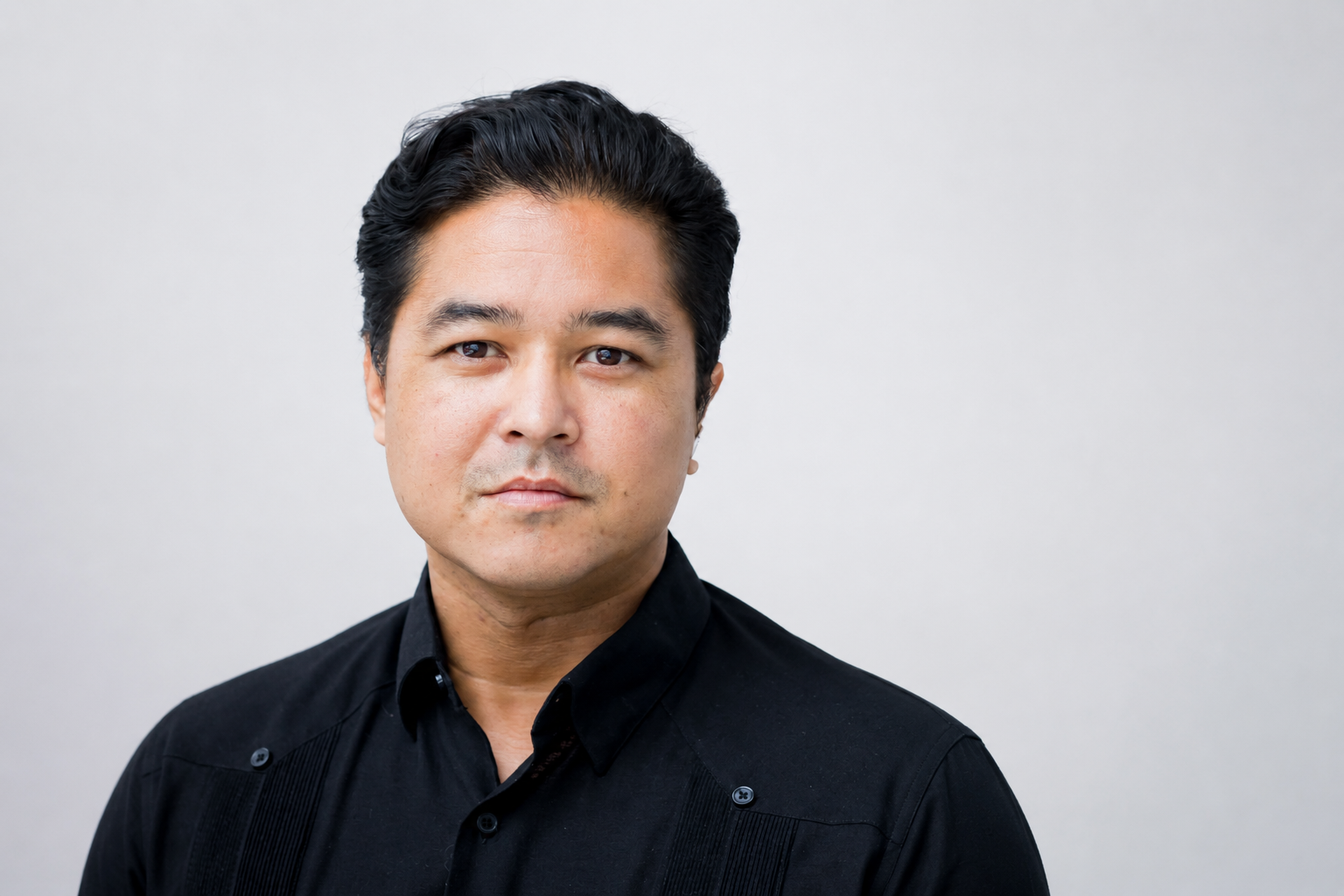
This call was made by Gerald Gouveia Jr., Chairman of the Private Sector Commission (PSC), during the Global Growth and Commerce Summit on Thursday at the World Trade Centre in Georgetown.
According to Gouveia Jr., although Guyana’s economy continues to expand at an impressive pace, access to local financing is becoming a major challenge for businesses seeking to scale up their operations.
He noted that credit to the private sector has grown significantly, with local banks recording an average year-on-year increase of 20.4 per cent and maintaining a low level of non-performing loans. Despite this strong performance, he explained that domestic financial institutions are struggling to meet the growing demand for capital.
“Our banks simply cannot provide the volume of financing required quickly enough to sustain the current rate of expansion,” Gouveia Jr. said. “International investors and financial institutions are eager to invest in Guyana. Wherever we go, the message is the same: they want to bring their money here.”
Among the financing opportunities available, he highlighted approximately £3 billion in funding from the United Kingdom Export Finance (UKEF), which can support both government and private-sector projects.
He also highlighted financing opportunities from the United States Export-Import (EXIM) Bank, which has made billions of dollars available for projects in Guyana. A substantial share of those funds remains available to businesses and public entities seeking to undertake major investments.
In addition, international development institutions such as the Inter-American Development Bank (IDB), through its private-sector arm, IDB Invest, continue to expand financing options for local enterprises.
Gouveia Jr. referred to recent discussions with IDB Invest Chief Executive Officer James Scriven, who earlier this year indicated that more than US$300 million in potential financing opportunities could be unlocked for projects in Guyana.
However, the PSC Chairman emphasised that access to funding requires preparation and professionalism.
He warned that many businesses fail to qualify for financing because they lack essential requirements, including detailed business plans, feasibility studies, audited financial statements, and internationally recognised certifications.
According to Gouveia Jr., companies that do not meet these standards risk missing out on valuable investment opportunities despite the abundance of capital.
“There is money waiting to enter Guyana, but businesses must be ready to receive it,” he emphasised. “Investors want transparency, accountability, and evidence that a project is viable.”
To help local entrepreneurs meet these requirements, Gouveia Jr. explained that several business support organisations and chambers across the country assist, often at no cost.
He encouraged business owners to take advantage of these services and to begin preparing to attract investment, noting that membership of these organisations is not always required to receive guidance.
“We are willing to help businesses become investment-ready because access to capital is critical to Guyana’s continued development,” he said.
Diaspora Investors Encouraged to Explore Opportunities
Also addressing the summit was Rosalinda Rasul, Head of the Diaspora Affairs Unit at the Ministry of Foreign Affairs, who urged overseas Guyanese and foreign investors to consider the vast opportunities emerging across the country.
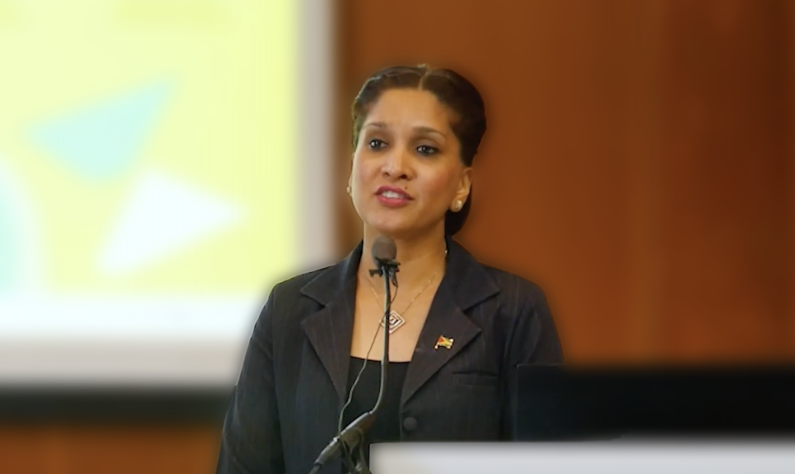
Rasul highlighted the important role diaspora investors can play by bringing not only financial resources but also valuable expertise, innovation, and international networks.
She noted, however, that many prospective investors often receive inaccurate or incomplete information about Guyana, which can affect their investment decisions.
To avoid misunderstandings, Rasul advised investors to engage directly with government agencies, business organisations, and other credible stakeholders who can provide reliable information on the country’s investment climate.
She emphasised that Guyana’s growth extends beyond traditional industries and now includes emerging sectors such as technology, artificial intelligence, blockchain, and other innovation-driven fields.
According to Rasul, the country needs visionary entrepreneurs, skilled professionals, and credible investors who are prepared to develop new ideas and transform them into successful ventures.
“Guyana is seeking people with innovative concepts, the expertise to develop them, and the credibility to secure financing,” she said. “The opportunities are expanding, and there is room for new investment across a wide range of sectors.”
Both speakers agreed that although financing opportunities are abundant, success will depend on businesses and investors positioning themselves strategically and meeting international standards as Guyana continues its economic transformation.