






Guyana is taking steps to reshape how its courts handle minor criminal offences, with a new bill that could see convicted persons sent to do community service rather than jail time.
The Criminal Justice Alternative Sentencing Bill was read for the first time in the National Assembly on Wednesday, opening the door to a broader framework that would give judges and magistrates more tools when deciding how to punish offenders.
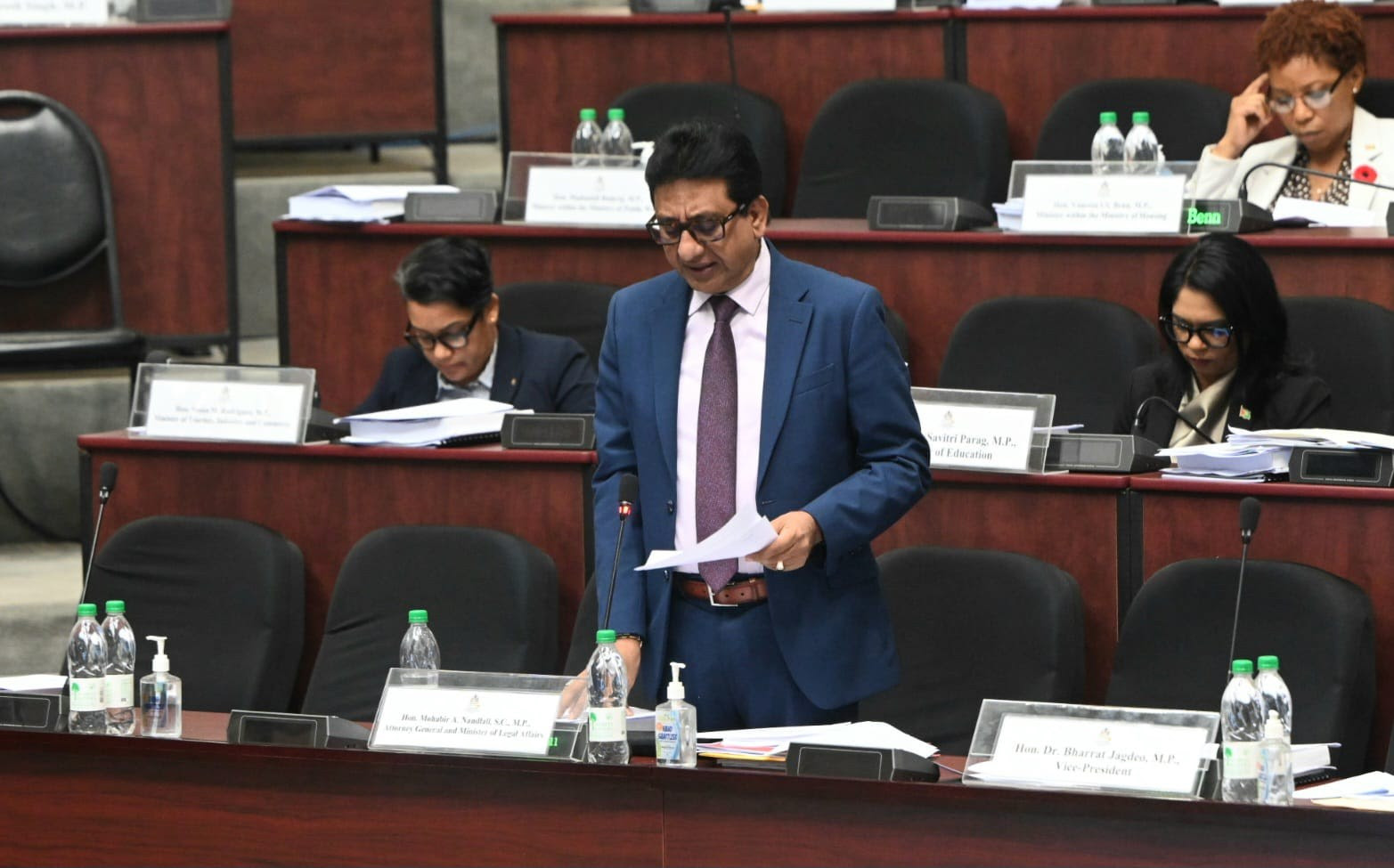
Attorney General and Minister of Legal Affairs Mohabir Anil Nandlall, SC, explained the thinking behind the legislation plainly: prison should be a last resort, not a default. For less serious offences, locking someone up may not always be the most appropriate or effective response — especially as Guyana continues to grapple with the pressures facing its prison system.
Under the proposed law, courts would have the power to weigh alternative penalties, including community service, based on the specifics of each case. Judges would also be able to factor in the skills and abilities of the convicted person when deciding what form that service should take.
Nandlall noted the approach is in line with how many countries around the world have been rethinking incarceration — keeping people accountable for their actions without automatically reaching for a prison sentence when the offence doesn’t warrant it.
The bill would repeal and replace the current Extra-Mural Work Act, which is seen as too limited in scope. The new legislation would introduce a wider menu of non-custodial options, giving the justice system more flexibility and nuance.
The broader goals are practical as much as they are philosophical. By reserving prison for more serious crimes, the government hopes to ease the burden on correctional facilities while also giving offenders a better shot at rehabilitation — something a prison sentence doesn’t always provide.