







The 268-tonne cargo figure recorded for the MV Barima’s final voyage on July 18 was derived from freight revenue using an administrative calculation, rather than from the physical weighing of cargo, the Commission of Inquiry (CoI) into the vessel’s sinking heard.
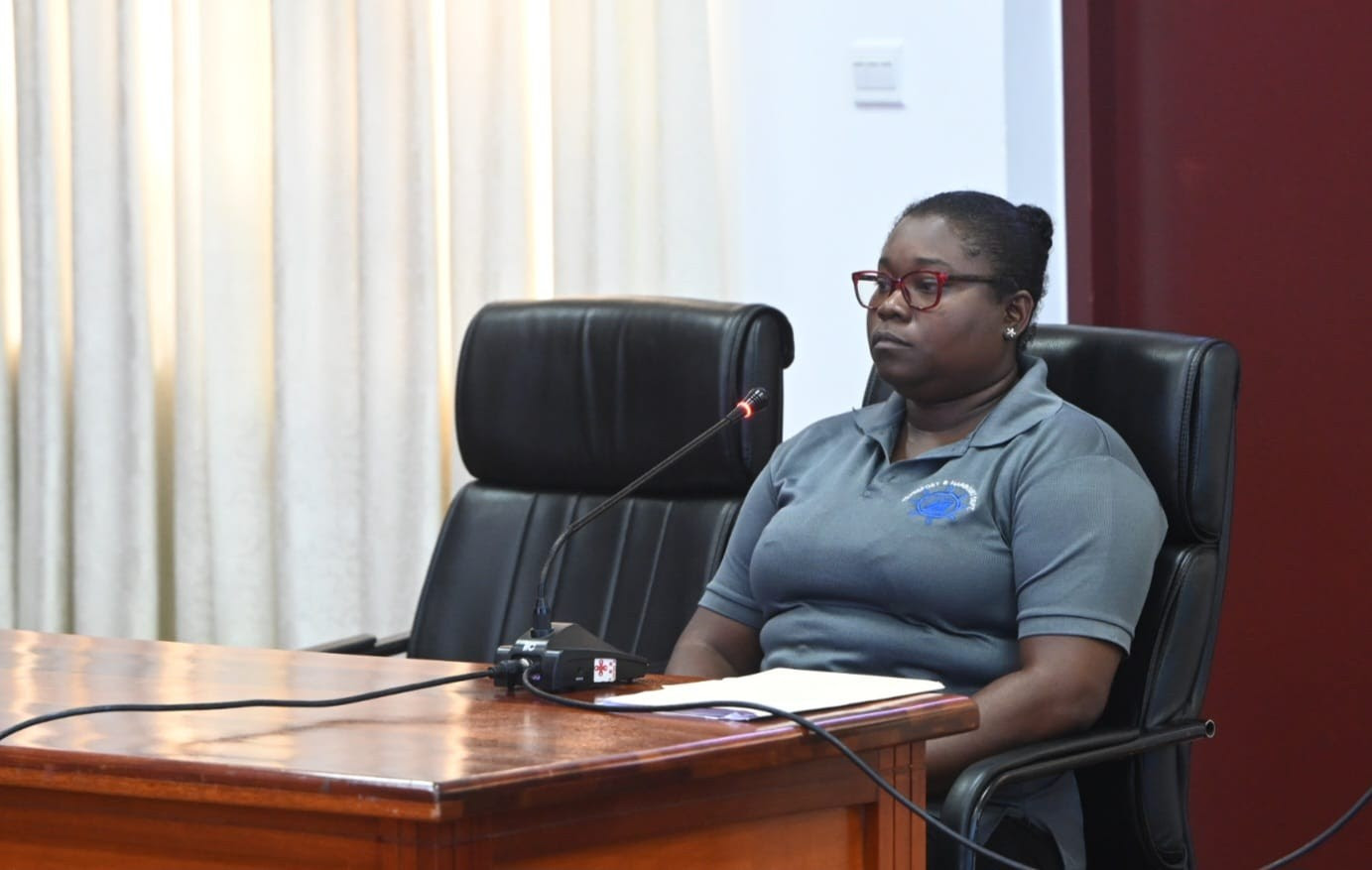
Kenese McLean, a Cargo Cashier with the Transport and Harbours Department (T&HD) at the Kingston Wharf, explained that the figure was calculated by dividing recorded cargo revenue by a fixed rate of $6,200, a method inherited from previous departmental supervisors.
According to her testimony, the calculation was based on revenue generated from general goods, with $1,281,698 in recorded earnings divided by the fixed rate. This produced a figure of approximately 268.8 tonnes, which was rounded down to 268 tonnes.
McLean said she provided the calculation to her supervisor in the days following the vessel’s sinking. Additional items, including fertiliser, an all-terrain vehicle (ATV), pipes and a casket, were subsequently added separately and were not included in the original 268-tonne calculation.
Tonnage Figure Was Not Based on Actual Cargo Weight
During cross-examination, McLean acknowledged that the formula used to determine the cargo tonnage was an administrative revenue-based conversion and did not represent an actual measurement of the goods’ physical weight.
When Commissioner Nyree Dawn Alfonso questioned whether dividing revenue by $6,200 provided the vessel’s actual cargo weight, McLean agreed that it did not.
She explained that her responsibilities were primarily related to financial transactions and recording revenue, rather than physically weighing or overseeing the loading of cargo.
Wharf Operated Without Cargo Weighing Scales
The testimony also echoed earlier evidence from Michelle Reid, Assistant Traffic Superintendent at the Kingston Wharf, who told the Commission that the department did not have weighing scales or equipment to determine the exact weight of cargo being loaded onto vessels.
According to Reid, staff and vessel captains relied on visual assessments, including the vessel’s draft markings and load line, to gauge how much cargo was being carried.
These markings were used as a reference for assessing the vessel’s loading condition, rather than the individual weighing of cargo items.
Commissioners Examine Earlier Voyage Records
The Commission also examined departmental records relating to an earlier MV Barima voyage on June 26.
The records indicated that the earlier trip generated more than $2.16 million in cargo revenue, which, under the same calculation method, translated to approximately 295 tonnes on paper.
The comparison formed part of the Commission’s examination of the cargo records, the calculations used to determine tonnage and the procedures followed by the Transport and Harbours Department.
The inquiry continues as commissioners examine documentation and testimony relating to the MV Barima’s final voyage and the circumstances surrounding the vessel’s sinking.