






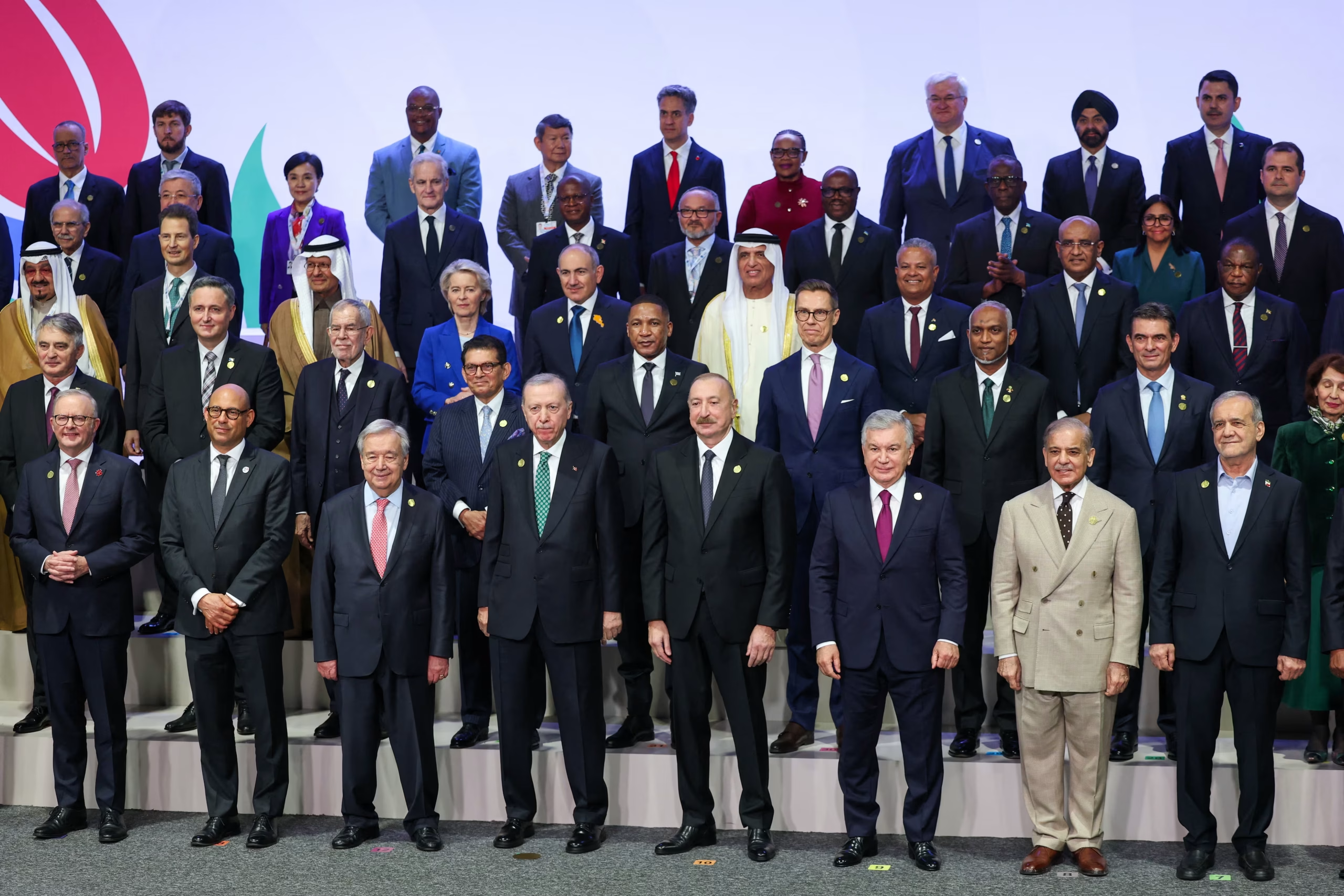
What was meant to be a turning point for global climate action instead ended in open defiance and frustration on Sunday, as the European Union, the United Kingdom, and a broad coalition of developing nations walked away from the proposed final agreement at the COP31 climate summit in Antalya, Turkey — the longest-running UN climate conference in history.
The summit, scheduled to wrap up on Friday, dragged on into the weekend without achieving the consensus needed to adopt its headline document, the so-called “Antalya Pact.” The sticking point was blunt and familiar: the draft text made no mention of fossil fuels, the single greatest driver of the climate crisis.
Ireland’s environment minister, Darragh O’Brien, speaking on behalf of the European Union, did not mince words. The proposed deal, he said, “fails to meet the moment.” The EU, he made clear, would not put its name to any agreement that ignored the root cause of global warming or, worse, dressed up carbon capture technology as a credible alternative to reducing emissions. When he finished speaking, the hall broke into applause.
Others followed quickly. Panama, the Marshall Islands, and Norway each voiced their objections, turning what might have been a quiet procedural failure into something closer to a public reckoning.
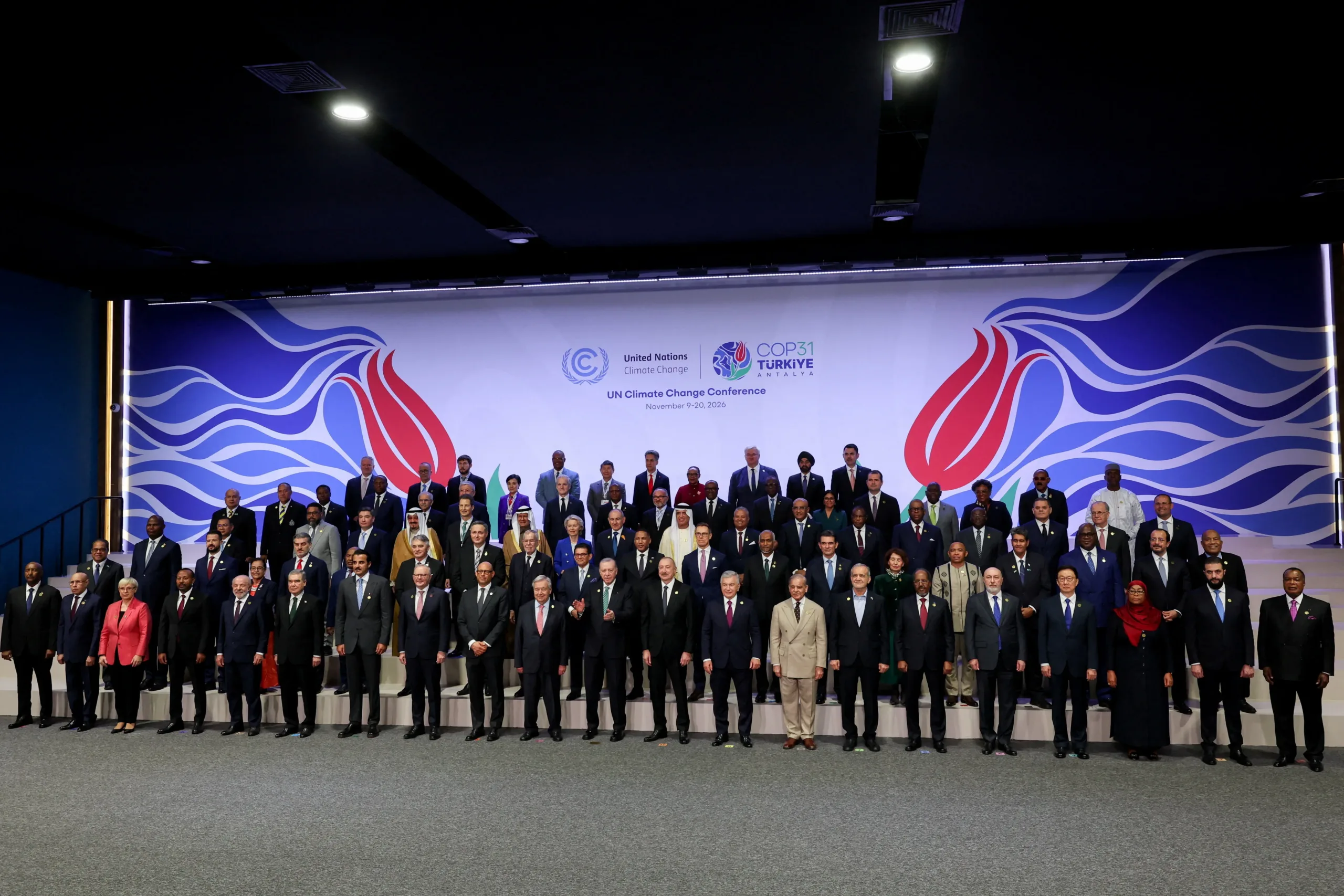
The Antalya Pact, drafted jointly by Türkiye and Australia — an unusual co-presidency arrangement for the summit — contained some forward-looking elements. It called on countries to electrify their economies, urged wealthy nations to provide financial support to poorer ones grappling with worsening climate impacts, and asked governments to work towards limiting what it called the “overshoot” of the 1.5 degrees Celsius warming threshold enshrined in the Paris Agreement. But it notably stopped short of endorsing any “transition away from fossil fuels” — language that more than 130 countries had explicitly demanded — and included provisions supporting carbon capture and storage technology, which critics argue simply gives the fossil fuel industry more time and cover to keep operating.
Türkiye’s COP president, Murat Kurum, acknowledged the impasse with unusual candour. “We have done our utmost,” he said. “It is clear that there are parties in this hall who oppose this text. We recognise that there is no consensus on this document. Therefore, these decisions have not been adopted.” To avert an outright collapse of the conference, the presidency pushed through a handful of narrower agreements on related issues, including a “just transition” package to help workers in fossil fuel industries find their footing in a low-carbon economy. It was a small consolation in an otherwise grim conclusion.
Climate advocates outside the negotiating rooms were scathing. Bill Hare of the advisory group Climate Analytics called it “a real line in the sand moment,” saying that countries were finally “standing up to fossil fuel interests and saying no.” But others were far less hopeful about what the breakdown meant for the world’s most vulnerable people.
Mohamed Adow, director of the think tank Power Shift Africa, described it bluntly as “the worst Cop ever.” He acknowledged the EU’s rejection of the text but refused to let Europe off the hook. “It cannot wash its hands of the wreckage it helped create,” he said. “For countries facing failed harvests, destroyed homes and mounting debt, this amounts to abandonment by the wealthy nations most responsible for the crisis.” He went further, pointing to European governments that preach fossil-fuel phase-outs abroad while continuing to approve new extraction projects at home.
Not everyone opposed the deal. Saudi Arabia defended including carbon capture provisions in the text. China, Pakistan, and much of the Africa group declined to formally object, despite some reservations. Pakistan’s representative put it plainly: climate action, they said, is not a menu from which countries can simply pick and choose what suits them.
That tension — between those who say the absence of a deal is preferable to a bad one and those who argue that something is always better than nothing — has haunted these negotiations for years. At COP31, it was finally enough to break the process.
What comes next is unclear. The world leaves Antalya without a binding commitment, without language on fossil fuels, and with the 1.5-degree target more distant than ever. For the small island nations and least-developed countries that came to Türkiye hoping for a lifeline, Sunday’s outcome was not a diplomatic failure. It was something closer to a verdict.