






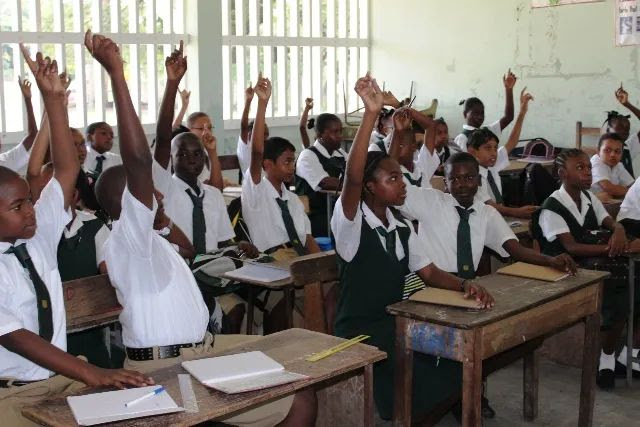
Guyana is moving closer to achieving universal access to secondary education, with several new schools in rural and hinterland communities set to be completed between the end of this year and 2027.
Minister of Education Sonia Parag made the announcement on the Starting Point Podcast on Saturday.

“We have been able to achieve universal access to primary education. We are on our way to achieving universal access to secondary education,” she said.
The push is backed by major capital spending in the 2026 National Budget, which allocated $183.6 billion to the education sector, including $24.3 billion earmarked specifically for school infrastructure.
Over the past years, the administration has constructed 33 new secondary schools, alongside major expansion and rehabilitation works at existing institutions across the country.
Recently completed facilities includes Issano Secondary, Nappi Secondary, Shulinab Secondary, and Hosororo Secondary, while secondary schools in Kwebanna, Jawalla, Kopinang, and Monkey Mountain continue to advance toward completion.
According to Minister Parag, these new schools removes longstanding barriers for children in remote communities who once faced lengthy journeys by boat or on foot to get an education.
In many cases, those travel challenges kept students from attending classes regularly or completing even primary school.

“We have been able to bridge that gap by building so many schools in different and various communities, making access very easy for children now and parents, of course, who have, who want to have their children do better than they did when they were growing up.”
The new secondary schools in the hinterland are replacing primary tops, allowing students to study from Grade Seven through Grade 11 and pursue a full secondary education.
However, the education minister noted that, “Access is not just about the physical infrastructure, of course; it’s also access to resources,” Minister Parag said.
Students at a school without a mathematics teacher, for example, can receive lessons through a digital platform.

Government-funded textbooks and exercise books are also available across nursery, primary and secondary schools, easing the financial burden on parents.
Additionally, teachers receive grants to purchase materials to meet their classroom needs.
The education minister added that further efforts to modernise education will include greater use of artificial intelligence and digital platforms to support individual learning.
These tools will help address differences in students’ learning needs and the pace at which they progress.
“At the end of the day, we want to have every individual progress and not every individual student will progress at the same level and at the same pace,” she said.
She further pledged that the government will continue expanding access to schools and learning resources to help more children complete their education.