






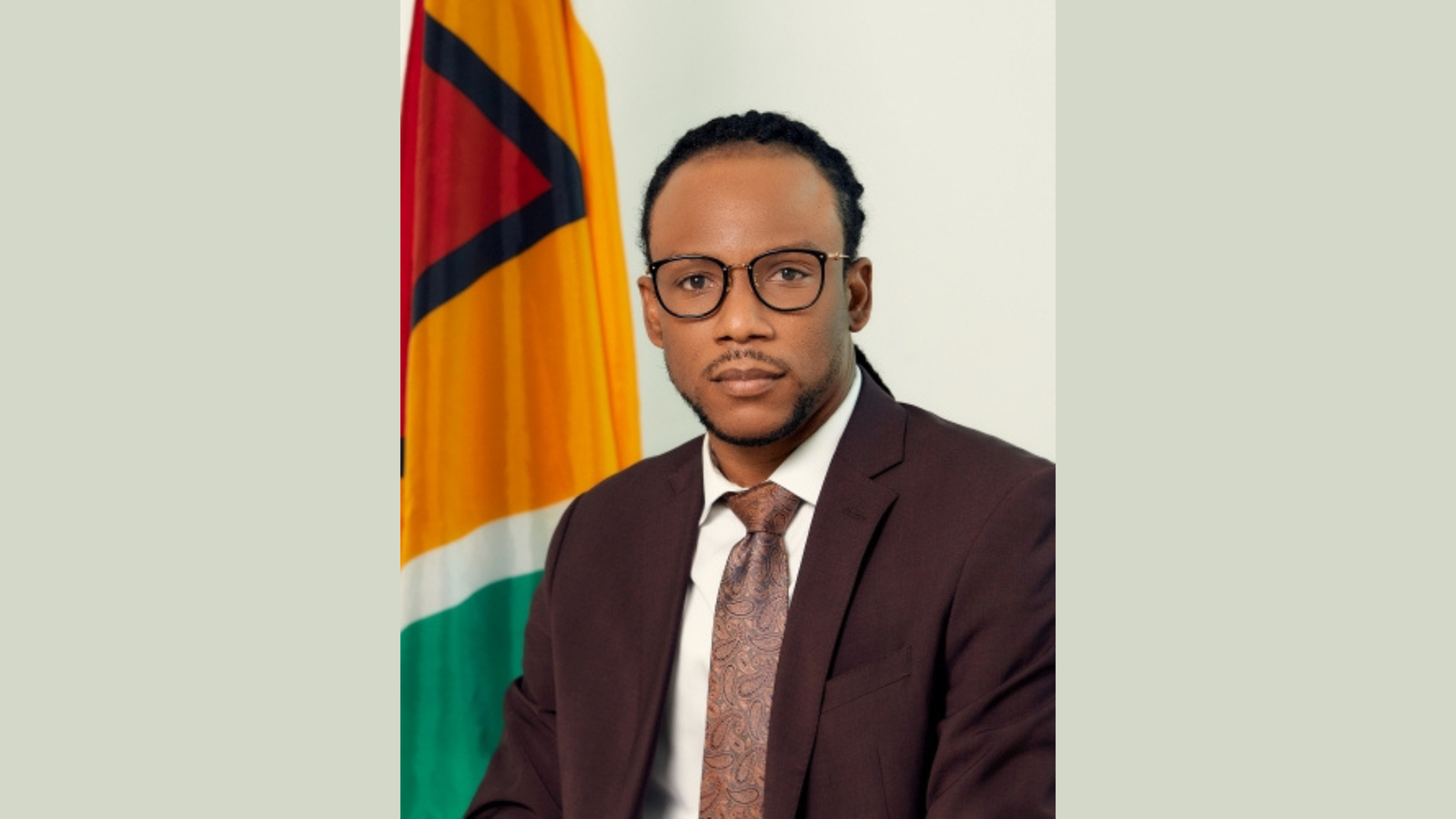
The reported late-night incident outside Senior Superintendent Prem Narine’s residence which the media several days ago raises a question that Opposition Leader Azruddin Mohamed is yet to answer with honesty: what common sense or sound judgment justified his presence near the home of a key witness in extradition proceedings involving himself?
Public reporting, citing the police account, places Mohamed in a heavily tinted vehicle that passed Narine’s residence and returned shortly before midnight. One version from the opposition explanation that the occupants were documenting an alleged misuse of state security resources does not adequately address the central concern: was this responsible conduct for someone occupying a constitutional office?
The Leader of the Opposition has parliamentary platforms, legal representation and formal investigative channels through which to challenge public expenditure or police conduct. His personal involvement in a late-night excursion near a key witness’s private residence who expressed fear for his life therefore invites serious criticism. An asserted public purpose does not place the methods employed beyond scrutiny.
A national leader should have the commonsense to recognise the foreseeable danger of creating a confrontation around a witness’s home. Such conduct can reasonably raise concerns about pressure or possible intimidation, although intent must be established through evidence. Leadership requires sufficient discipline to avoid circumstances that could undermine public confidence in the administration of justice.
Equally troubling is Mohamed’s reported characterisation of the shooting as an assassination attempt. Narine’s reported account is that he believed he was under attack. These competing accounts require an impartial investigation. Neither political influence nor public repetition can establish what the evidence has yet to determine.
More serious still is the reported accusation that President Irfaan Ali directed or desired Mohamed’s assassination. An allegation of that gravity demands compelling evidence. Without such evidence, advancing it as fact is reckless and grossly irresponsible. It risks inflaming public sentiment, damaging confidence in institutions and diverting attention from the Opposition Leader’s own conduct.
A constitutional officeholder must distinguish suspicion from proof. Political disagreement does not establish a conspiracy, and repetition cannot supply missing evidence. Anyone possessing credible information about a threat to life should place it before the appropriate investigative authorities.
Further, appeals to shared religious identity are similarly misplaced if advanced as grounds for preferential treatment which he seems to want.
The President, the Director of Public Prosecutions and other public officials owe their professional duties to the entire country. Their shared faith creates no obligation to intervene on a politician’s behalf, excuse questionable conduct or influence legal proceedings.
Religious freedom and equality before the law deserve unwavering protection. Neither principle is served by making religious identity a test of political loyalty. No official should have to demonstrate religious sincerity by supporting Mohamed, and no religious community should be expected to adopt his personal legal disputes as its collective cause.
Mohamed remains entitled to the presumption of innocence and a fair hearing. Allegations concerning police conduct also warrant independent scrutiny. These principles strengthen the demand for accountability; they do not exempt the Opposition Leader from it.
The public need not await a criminal verdict before assessing political judgment. Whether an offence occurred and whether an officeholder exercised the restraint expected of his position are separate questions. Guyanese are entitled to examine both.
Mr. Mohamed’s remarks about President Ali’s legacy are equally grossly misplaced. The President’s principal responsibility is to serve the people of Guyana, implement policies that improve their lives and fulfil the commitments on which his government was elected. In my assessment, President Ali administration’s development agenda demonstrates a sustained commitment to those responsibilities and an ambition to deliver beyond its manifesto promises.
The Opposition Leader’s responsibility is to scrutinise that work, identify shortcomings through credible evidence and present practical alternatives. Producing videos of alleged wrongdoing can contribute to accountability when supported by verifiable facts. It cannot substitute for a coherent programme of national leadership.
President Ali’s legacy already has substantial foundations and continues to take shape. Investments in roads, bridges, schools, hospitals, health centres and expanded educational opportunities form part of a development agenda reshaping Guyana’s physical, social and economic landscape. Its lasting value must be measured by the opportunities created, services improved and benefits reaching ordinary citizens. Unsupported accusations cannot erase that work.
In my assessment, President Ali’s accessibility and direct engagement with communities place him among Guyana’s most grounded presidents, recalling the connection with ordinary citizens associated with Forbes Burnham and Bharrat Jagdeo. His willingness to listen, engage directly and pursue practical responses is a defining strength of his leadership.
Accessibility matters because effective government requires more than announcements. It requires leaders who hear people’s concerns, understand their circumstances and translate those concerns into action. This is the standard by which I recognise President Ali as a president is committed to service.
His continuing mandate provides an opportunity to consolidate infrastructure development, expand economic opportunities, strengthen public services and advance food security. His historical standing will ultimately rest on lives improved, institutions strengthened and opportunities extended to future generations. Political allegations unsupported by evidence cannot substitute for an honest assessment of that record.
Mohamed, meanwhile, has an opportunity to establish a meaningful legacy of his own. That requires demonstrating that his leadership extends beyond his personal legal circumstances. Guyanese deserve an opposition capable of proposing credible policies, demanding accountability through substantiated scrutiny and contributing constructively to national development.
Where are the detailed alternatives to address the cost of living, create employment, improve electricity and water services, strengthen healthcare delivery and manage the country’s growing national wealth? These are matters on which a serious opposition should consistently engage the government and the public.
Responsible opposition requires informed parliamentary interventions, credible policy proposals and the maturity to recognise progress while challenging deficiencies. Its democratic purpose is diminished when public debate becomes persistently centred on the officeholder’s personal disputes.
The Office of the Leader of the Opposition belongs to Guyana’s constitutional democracy. Its authority should strengthen parliamentary scrutiny, public confidence and respect for lawful institutions. It should never be used to confer credibility on unsupported accusations or advance demands for personal exemption from accountability.
Mr. Mohamed owes the country a clear explanation of his conduct and evidence for the grave allegations attributed to him. Investigating the actions of the police does not remove his obligation to account for his own judgment.
President Ali’s record should be assessed through his service and the results of his government’s policies. Mohamed’s leadership must likewise be assessed through his conduct, his judgment and the substance of what he offers the nation.
The office he holds demands restraint, maturity, honesty and responsibility. The people of Guyana are entitled to demand better.