






The government is considering developing a new digital literacy curriculum for schools to help children fully understand how social media platforms work and the dangers they pose.
It would cover online safety, cyberbullying prevention, digital footprints, responsible social media use, misinformation detection and cybersecurity awareness.

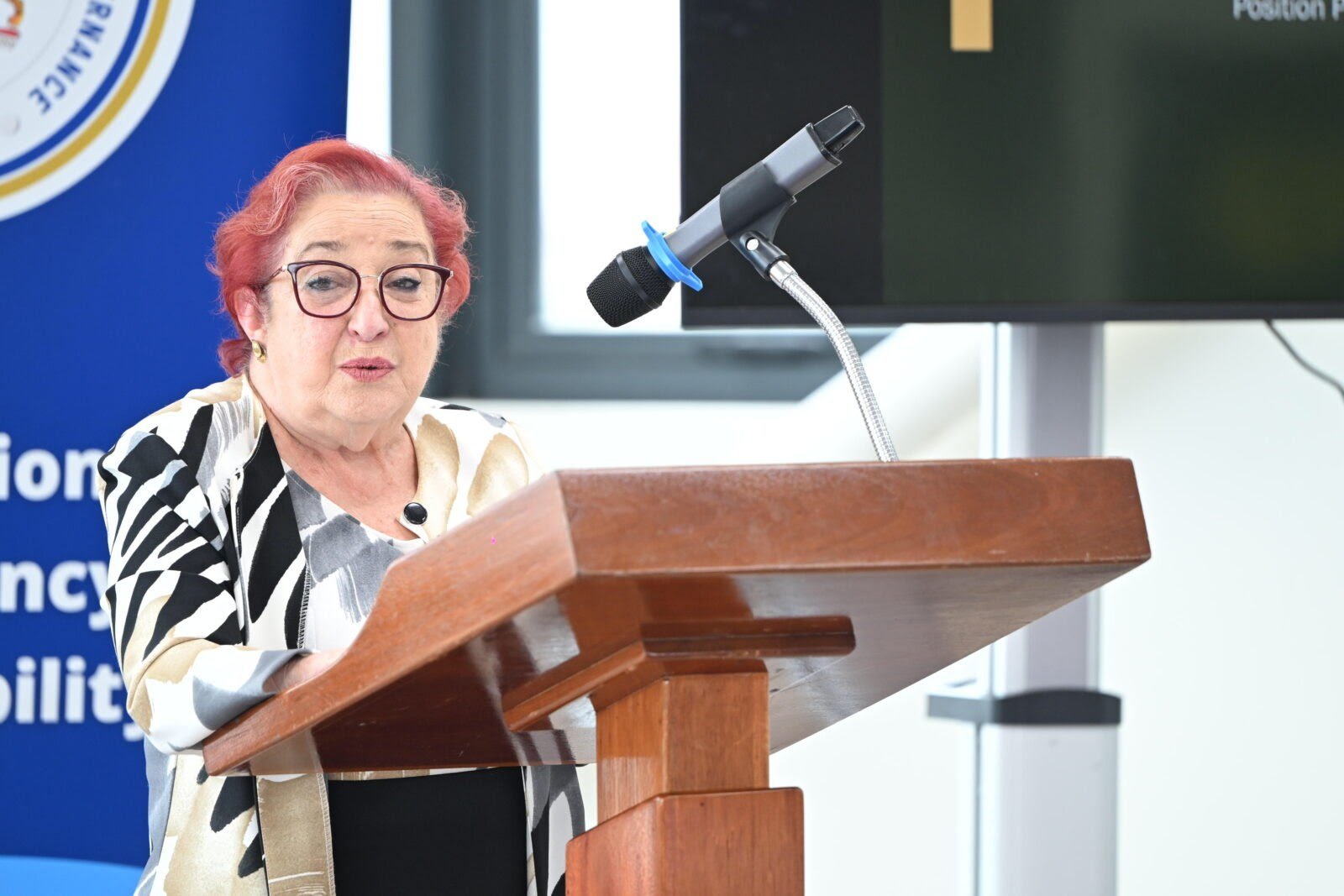
Minister of Parliamentary Affairs and Governance, Gail Teixeira, made the disclosure last Tuesday during the launch of a national consultation on social media and its effects on children at the World Trade Centre in Kingston, Georgetown.
Minister Teixeira explained that digital literacy forms the fourth pillar of a broader initiative being advanced through the Ministry of Education.
It sits alongside measures such as restrictions on social media use for children under 16, age-verification systems, stronger parental controls and greater platform accountability.
“There will be a curriculum developed to teach children digital literacy and to know where the risk areas are, where the safe areas are, and how to use the digital technology in a safe way,” she explained.
Minister Teixeira framed the curriculum as a response to a reality the country cannot avoid, telling the audience that digital technology will define how the next generations live and communicate.
She said the aim is to help children distinguish between what is useful and what is harmful online, while building their capacity to use digital tools to their benefit and identify those that pose risks.