






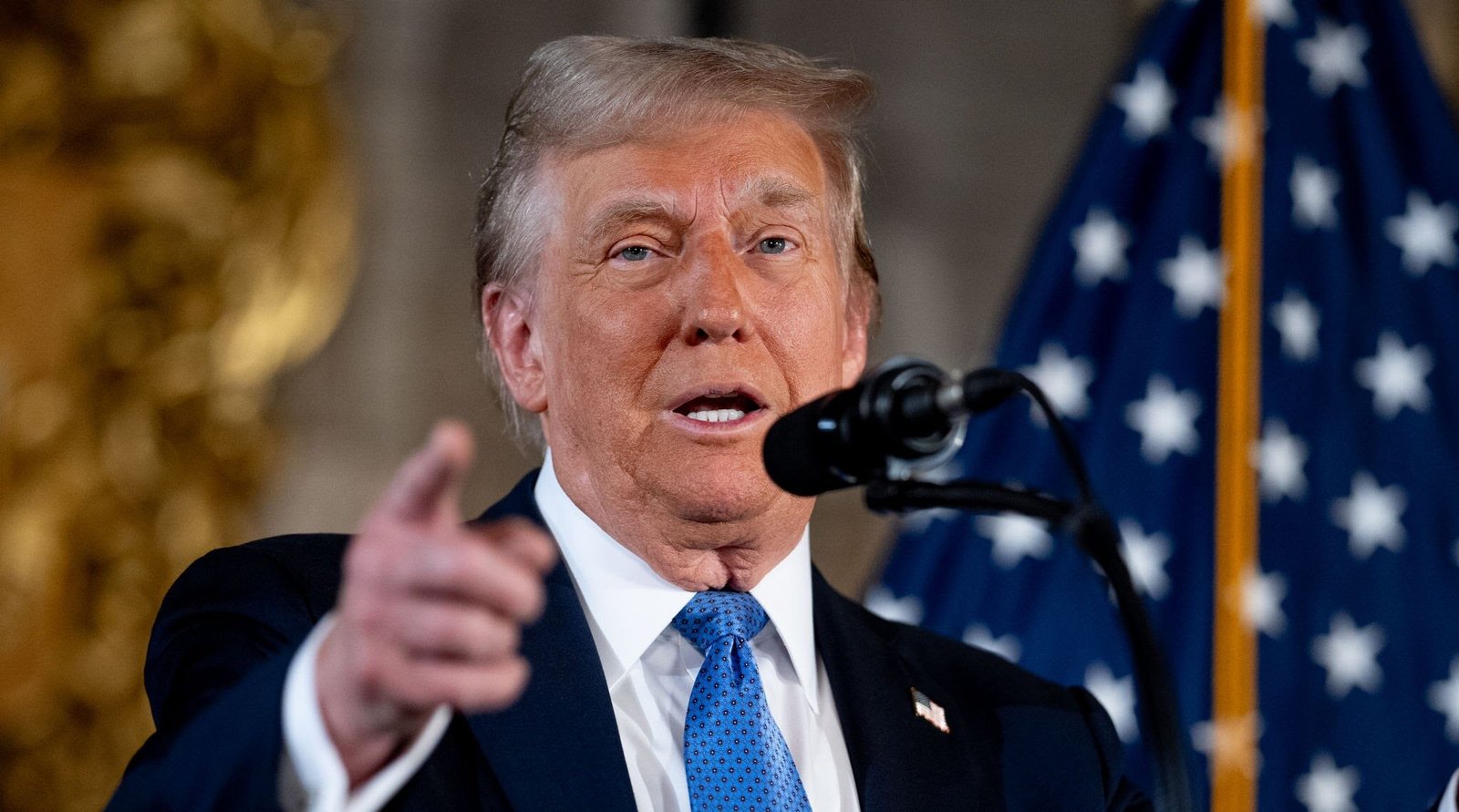
United States President Donald Trump has reportedly requested significant revisions to a proposed agreement being negotiated between Washington and Tehran, signaling that key issues remain unresolved despite growing optimism about a potential breakthrough in efforts to end tensions between the two countries.
According to multiple reports, Trump reviewed the draft framework during a high-level meeting with his national security team in the White House Situation Room on Friday. The meeting, which lasted approximately two hours, focused on the ongoing negotiations with Iran and the broader security implications for the Middle East.
While officials did not immediately disclose details of the discussions, reports indicate that Trump instructed his advisers to strengthen several provisions of the proposed agreement before it is finalized. The revised framework has reportedly been transmitted back to Iranian negotiators for further consideration.
Sources familiar with the discussions said the changes primarily concern Iran’s enriched uranium stockpiles and provisions related to the reopening of the strategically important Strait of Hormuz, one of the world’s most critical maritime energy corridors.
The proposed amendments are expected to extend negotiations as Iranian officials review the updated framework and formulate a response. Reports suggest Tehran could take several days before formally responding to the latest U.S. proposals.
The latest developments come as both countries continue efforts to transform a temporary ceasefire arrangement into a more comprehensive and lasting agreement aimed at reducing tensions and preventing further military confrontation.
President Trump later commented publicly on the negotiations, expressing confidence that an agreement remains within reach. In a post on his Truth Social platform, Trump suggested that progress had been made and indicated that both sides were moving closer to a broader settlement.
However, Iranian officials pushed back against suggestions that a final deal had been reached, emphasizing that negotiations remain ongoing and that several critical issues still require resolution before any comprehensive agreement can be concluded.
One of the most sensitive issues under discussion remains Iran’s nuclear programme, particularly the future of its enriched uranium inventory. According to reports, the Trump administration is seeking more detailed provisions regarding how nuclear materials would be handled, monitored, transferred, or otherwise managed under any future agreement.
Officials familiar with the talks indicated that the United States is seeking greater clarity on implementation timelines and verification mechanisms to ensure compliance with any commitments made by Tehran.
In addition to the nuclear issue, negotiators are also working to finalize language surrounding maritime security and commercial navigation through the Strait of Hormuz. The narrow waterway serves as a vital passage for global oil shipments, and any disruption can have significant consequences for international energy markets.
Reports indicate that Trump has sought stronger wording in the agreement concerning guarantees for the reopening and uninterrupted operation of the strategic shipping route.
Despite the unresolved issues, both Washington and Tehran appear committed to maintaining dialogue. Sources indicate that the two sides have already reached a preliminary memorandum of understanding that would extend the current ceasefire arrangement for an additional 60 days while negotiations continue on a broader peace framework.
The temporary extension is intended to provide negotiators with additional time to resolve remaining differences and establish conditions for a more durable settlement.
During a recent interview, Trump reiterated his preference for a negotiated solution but also made clear that military options remain available should diplomatic efforts fail.
“We are making a great deal; otherwise we’ll just go back and finish it off militarily,” Trump said, while expressing confidence that a satisfactory agreement could ultimately be achieved.
The President also emphasized that preventing Iran from acquiring nuclear weapons remains a central objective of the negotiations and described this as a non-negotiable component of any final agreement.
Trump further stated that the reopening of the Strait of Hormuz could occur immediately upon the signing of a comprehensive agreement, potentially restoring greater stability to global energy markets and reducing uncertainty surrounding oil supplies.
The negotiations are being closely watched by governments, investors, and international observers, given their potential impact on regional security, energy markets, and global geopolitical stability.
While significant progress appears to have been made, the latest revisions requested by the Trump administration underscore the complexity of the negotiations and the challenges that remain before a final agreement can be reached.
For now, both sides continue to engage through diplomatic channels, with the coming days expected to be critical in determining whether the revised framework can bridge the remaining gaps and pave the way for a lasting peace agreement between the United States and Iran.