






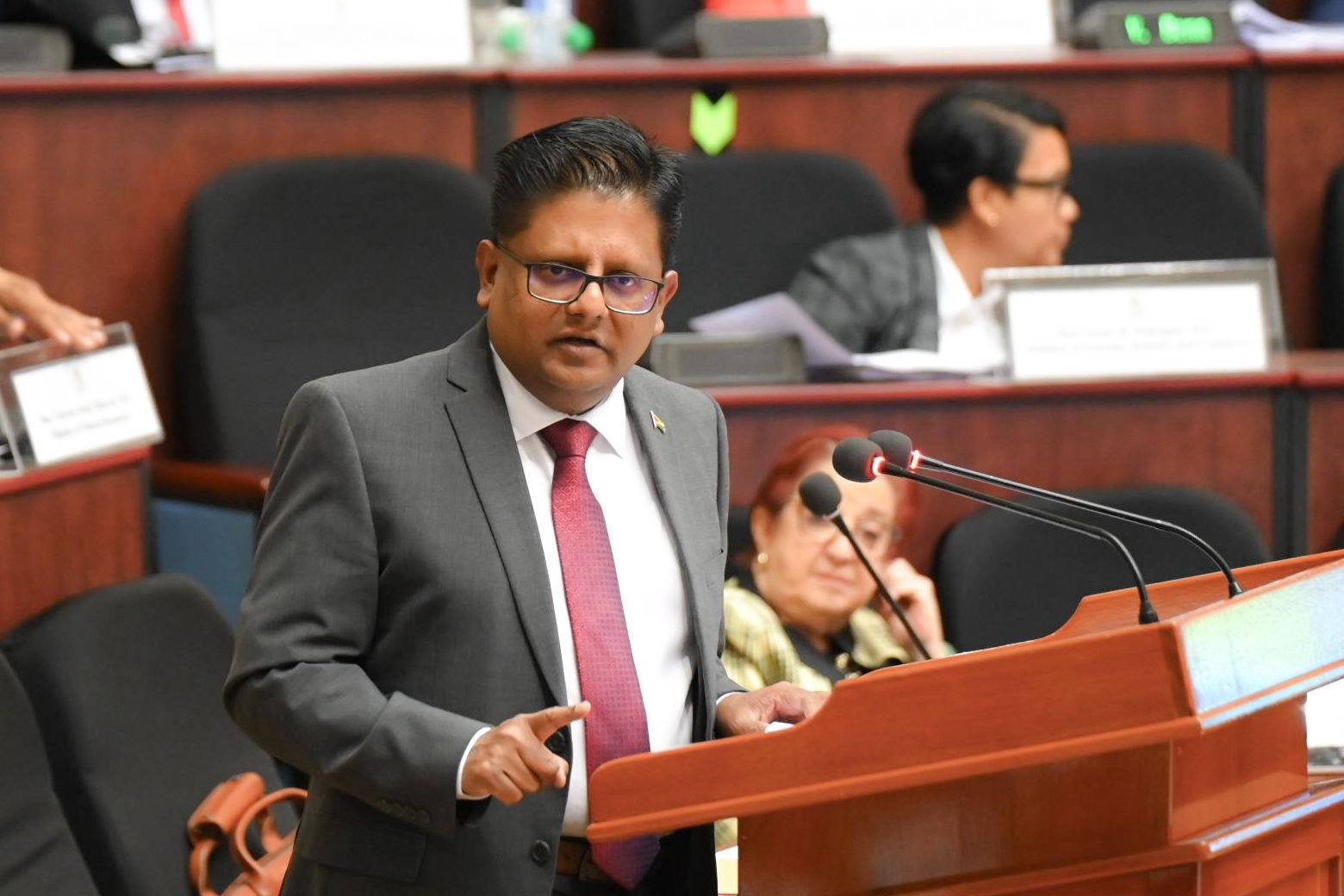
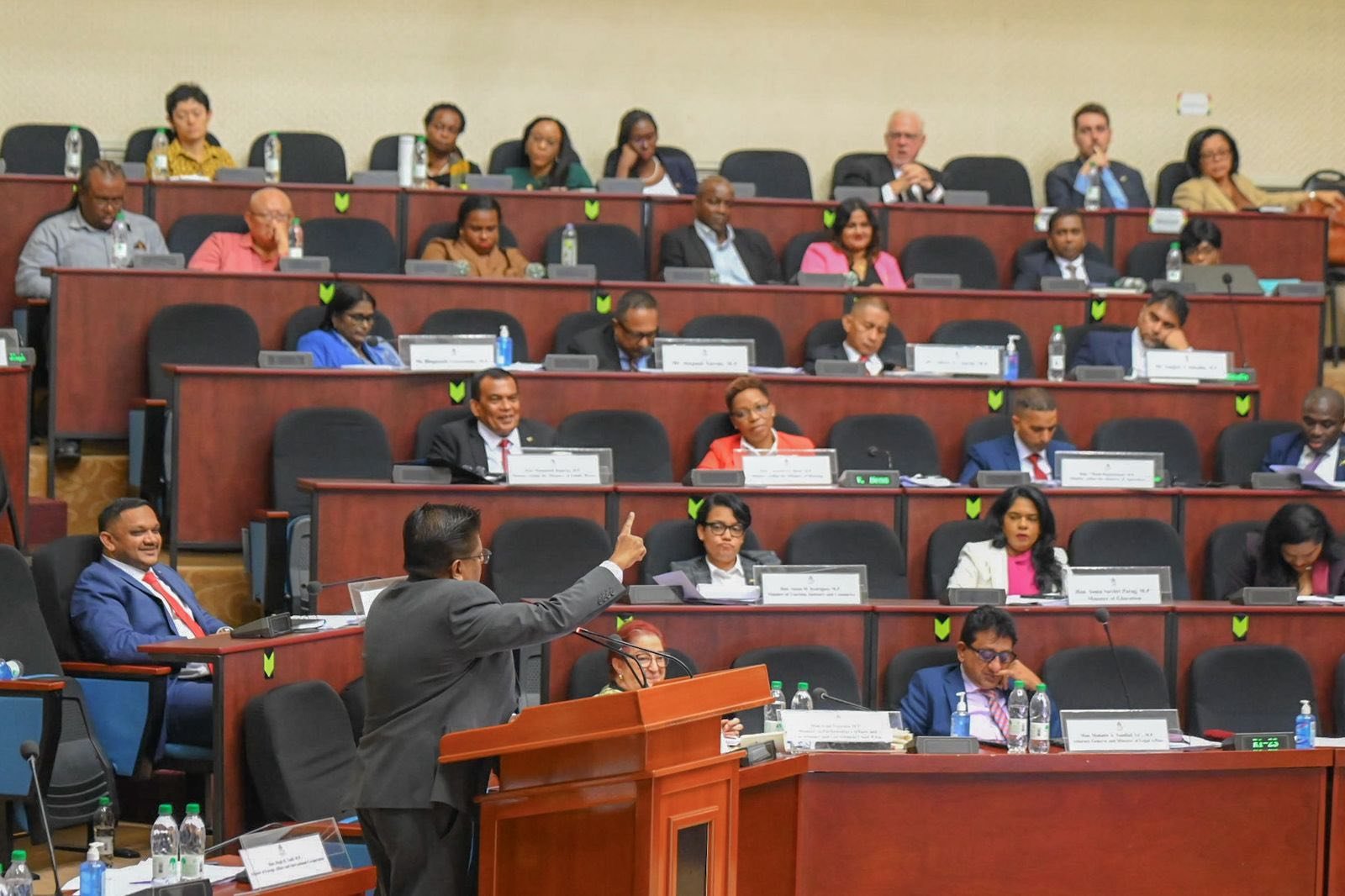
Before moving on to analyse Guyana’s 2026 Budget and its benefits for citizens of Guyana, it is worth noting the behaviour of the PNC members during the budget speech, which was childish and unbecoming. We saw a new side of Dr Ashni Singh, the finance minister, when he savagely shut down the big, loud mouths of the PNC’s so-called members. The PNC has only 12 seats in Parliament, and Afro-Guyanese who used to vote for the PNC overwhelmingly preferred to vote for a criminal called Azruddin Mohamed rather than for the PNC party. Many Afro-Guyanese, especially in Linden, the bastion of PNC voters, do not care a bit about the loud noise from the 12 PNC members who disrupted the budget speech. They refuse to associate themselves with these 12 big mouths, who do not speak on their behalf.
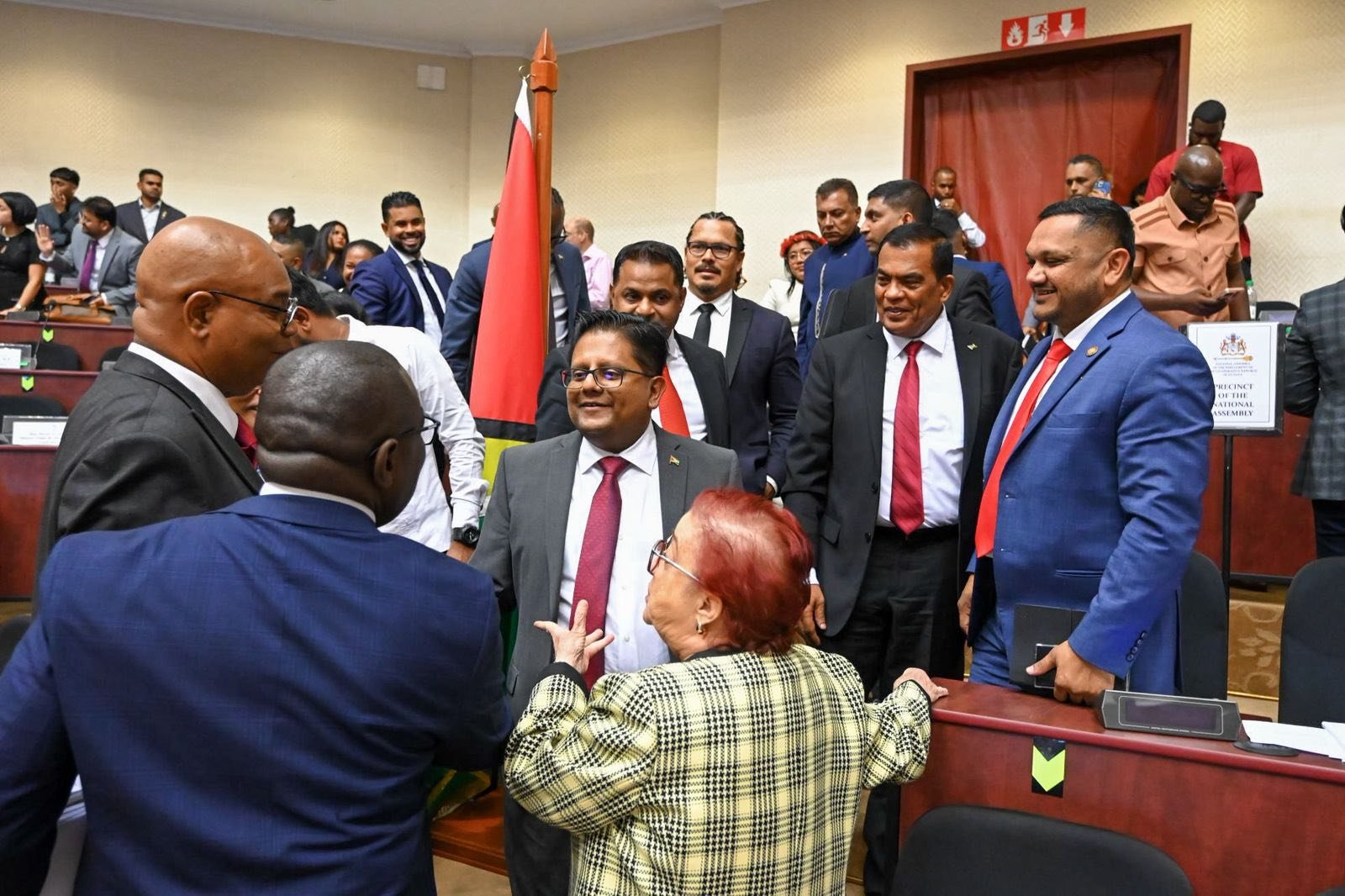
Today, for the first time, the people of Guyana are witnessing the PNC as an insignificant party, barely surviving. The PNC’s 12 members have moved from a racist policy to a new policy of bullying other members in Parliament. However, the finance minister, Ashni Singh, reminded the gang of 12 that the PPP won with a landslide victory, securing 36 seats, and that the PPP knows how to deal with bullies, even when they are not the leader of the Opposition in Parliament. How the mighty PNC, which rigged many elections, has fallen into the gutter of Guyanese politics. The whole of Guyanese citizens witnessed it during the Budget Speech.
Eventually, the PNC will suffer the same fate as the AFC, which won not even one seat. The PNC is a bad loser and will sit in opposition as the second party for the next five years. There is only one way to describe this minority, the gang of 12 PNC members in Parliament: “Empty vessels make the most noise.”
Guyana’s largest national budget to date, totalling $1.558 trillion, was presented following an extensive six-and-a-half-hour address by Dr Ashni Singh, the finance minister, during the second sitting of the Thirteenth Parliament. Delivered under the theme “Putting People First,” the 2026 Budget outlines a comprehensive agenda to accelerate economic growth, ease the cost of living, and expand opportunities for citizens across all sectors.
Since returning to the office in August 2020, the government has pursued targeted policies to diversify the economy, strengthen household incomes, expand employment, and improve overall quality of life. Budget 2026 builds on these foundations, marking a shift towards a new phase of inclusive and diversified development, with a strong emphasis on job creation, income generation, and human capital development.
A central pillar of the budget is the promotion of productive activity and economic diversification. The government will designate several Special Development Zones and offer fiscal incentives to attract private investment. These zones will be strategically selected to ensure balanced regional development, with access to raw materials and market connectivity taken into account. This initiative aligns with broader efforts to enhance manufacturing competitiveness, including anticipated reductions in electricity costs that will lower production costs and support large-scale and export-oriented industries.
In agriculture and agro-processing, corporate taxes will be fully removed to boost retained earnings and stimulate investment. This move supports Guyana’s food security agenda and accelerates transformation and diversification within the agricultural sector. Forestry-related exports will also benefit, as export allowances are expanded to include value-added timber products, enabling exporters to compete more effectively in international markets.
To further strengthen local manufacturing, VAT will be removed from locally produced furniture, including doors, mouldings, and beds, reducing construction costs and supporting domestic industries. Similarly, VAT on locally manufactured jewellery will be eliminated to encourage value-added production and expand opportunities for small and medium-sized enterprises in the jewellery sector.
Tourism is set to gain new momentum with the removal of the 14-day residency requirement for destination weddings, positioning Guyana as a niche wedding destination and stimulating hospitality-related economic activity. Public safety measures are also addressed, with duty and VAT removed on security equipment such as cameras and alarm systems, enhancing community-level crime prevention and cooperation with law enforcement.
Financial empowerment is another major focus of the budget. To expand access to affordable financing, US$100 million will be injected into the Guyana Development Bank. The bank will offer zero-interest microcredit loans of up to $3 million, with no collateral required, targeting small and medium enterprises, young entrepreneurs, women, and persons with disabilities. These loans will be paired with mentorship and training. Additionally, a co-investment model will enable eligible businesses to access up to $7 million more from commercial banks at preferential rates, supported by government-backed fiscal concessions.
Housing affordability receives substantial attention. The low-income mortgage ceiling at commercial banks will rise from $20 million to $30 million, making home loans more accessible. The ceiling will also be extended to approved insurance companies that offer housing loans. Complementing these measures, $7.5 billion has been allocated to support home upgrades, building on previous housing construction and material subsidy initiatives.
To reduce transportation costs, especially for households and hinterland communities, the government introduced a flat tax system for double-cab pickups, significantly lowering import costs. VAT will be removed from new vehicles below 1500cc and from hybrid vehicles under 2000cc, reinforcing Guyana’s low-carbon development goals. All import duties and taxes on all-terrain vehicles will be eliminated, along with taxes on outboard engines up to 150 horsepower, easing mobility in rural and interior regions.
Cost-of-living relief remains a key priority. The government will maintain a zero per cent excise tax on fuel, a policy in place since 2022 that has saved citizens billions annually. Freight charges for import tax calculations will remain at pre-pandemic levels through 2026, continuing a measure that has already saved consumers over $28 billion. An additional $9 billion has been earmarked for targeted interventions to further cushion households against rising costs.
Support for vulnerable groups will be a priority. The “Because We Care” student grant will increase to $60,000, benefiting over 206,000 children. A new Annual Transportation Support Grant of $20,000 per child will be introduced, bringing total annual support per student to $85,000. The government will also continue covering up to eight CSEC and CAPE subjects per student, easing the financial burden on families.
Senior citizens will benefit from an increase in the Old Age Pension from $41,000 to $46,000 per month, alongside the introduction of a $20,000 annual transport grant. Public assistance payments will rise to $25,000 per month, extending support to more than 46,000 vulnerable individuals. Corporate taxes will be removed for providers of childcare and elderly care, supported by $1.5 billion in co-investment funding to expand affordable care facilities.
Disposable income measures include a stipend increase for frontline and community workers, raising monthly payments from $40,000 to $50,000. The National Cash Grant of $100,000 for citizens aged 18 and older will be repeated in 2026, injecting over $60 billion directly into households. Net property tax on individuals will be abolished, and the income tax threshold will rise to $140,000 per month, further reducing the tax burden on workers.
Collectively, the measures announced in Budget 2026 are expected to inject over $100 billion directly into the hands of Guyanese citizens, reinforcing the government’s commitment to shared prosperity, economic resilience, and people-centred development.
Finally, Ashni Singh, the finance minister, must be congratulated on his 6-hour-and-30-minute Budget speech. The citizens of Guyana trust the PPP Government because it always delivers on its promises, and the promises made in the new budget will be fulfilled.