




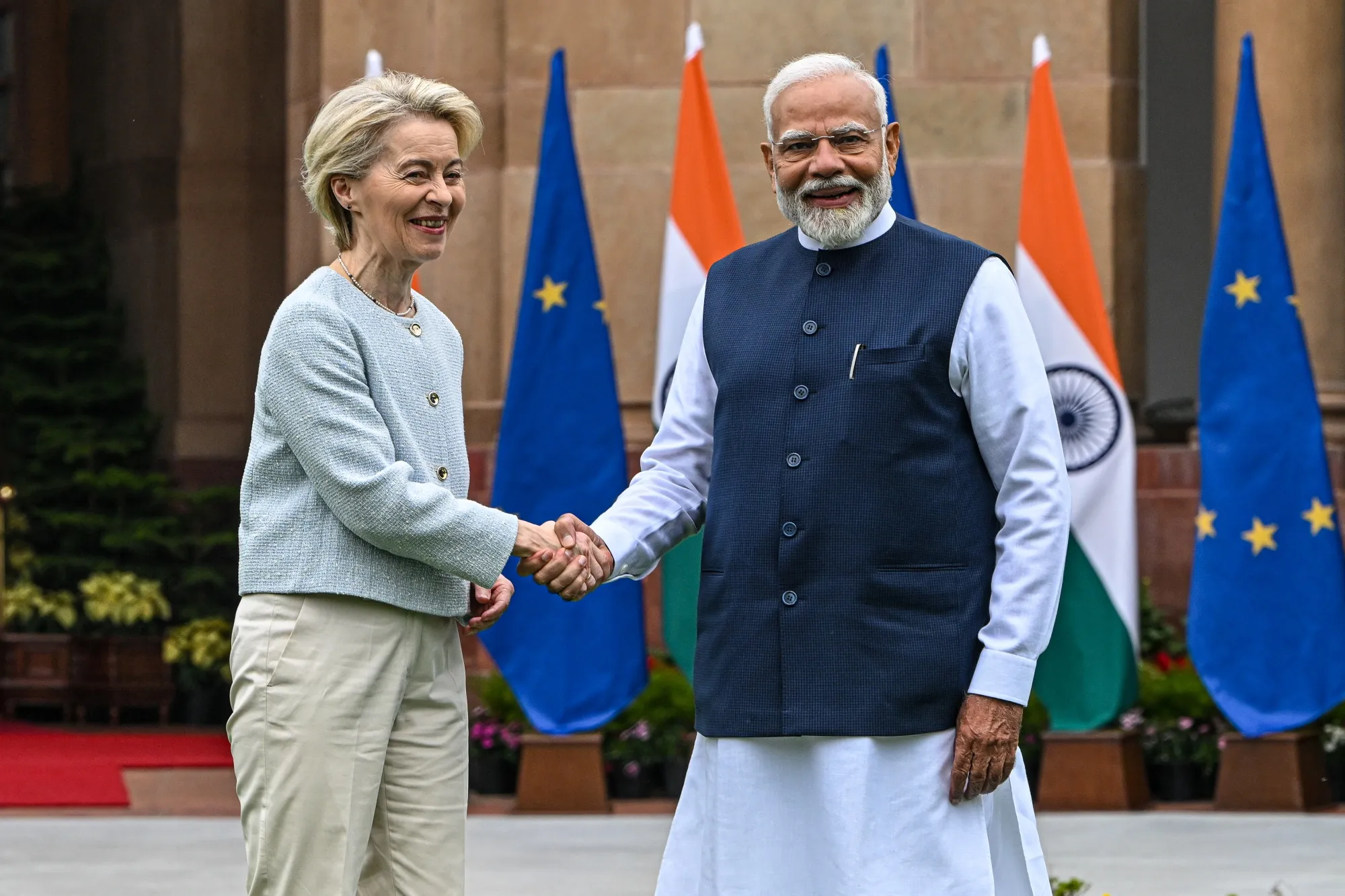
Norway has strongly backed the proposed India–European Union free trade agreement, calling it a powerful example of “free trade, not barriers” at a time when protectionism is resurfacing in global commerce. The long-awaited India-EU Free Trade Agreement, often described by European leaders as the “mother of all trade deals,” is expected to be one of the most comprehensive trade pacts negotiated by both sides.
Norway’s Ambassador to India, May-Elin Stener, said the agreement would be a historic step not only for India and the EU but also for countries closely linked to the European market. Although Norway is not a member of the European Union, it is part of the European Free Trade Association (EFTA) and maintains strong economic ties with the EU. As a result, deeper India-EU integration is seen as beneficial for Norway as well.
The ambassador underlined Norway’s clear preference for open markets and a rules-based international trading system. She emphasized that free trade encourages innovation, economic growth, and stability, especially for export-oriented economies like Norway. In contrast, rising tariffs and trade barriers risk slowing global growth and fragmenting supply chains.
Norway already has a Trade and Economic Partnership Agreement with India through the EFTA framework, which came into force recently. This agreement has strengthened bilateral trade and investment flows between India and EFTA countries, including Norway. According to Norwegian officials, an India-EU deal would complement this partnership and further expand opportunities for businesses on all sides.
The India-EU free trade negotiations have gained momentum after years of slow progress. The proposed agreement is expected to cover trade in goods and services, investment protection, intellectual property, sustainability standards, and supply-chain cooperation. If finalized, it would link markets representing nearly a quarter of the global economy and close to two billion people.
For India, the deal would significantly enhance access to European markets, boost exports, and attract high-quality investment. For the EU, it would help diversify trade partnerships and reduce dependence on limited supply sources. Norway’s endorsement highlights the broader international support for open trade and signals confidence that the agreement could reshape economic relations between India and Europe for decades to come.