





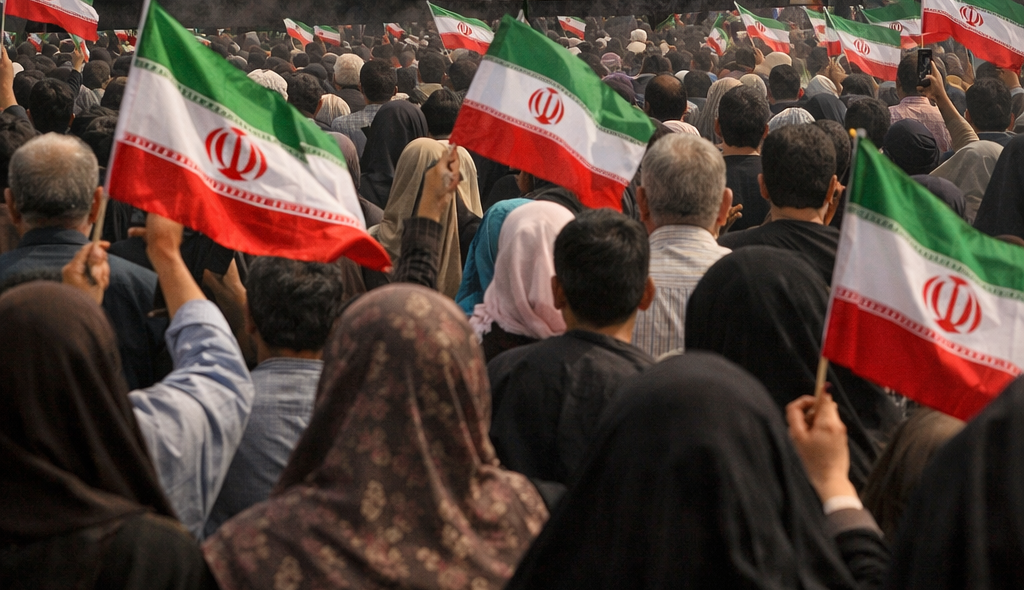
The ongoing war between Iran and Israel has rapidly intensified into one of the most serious and volatile conflicts in the Middle East in recent decades. What began as a series of targeted military strikes has now expanded into a broader regional confrontation, drawing in the United States and affecting several neighboring countries. As of March 2026, the situation remains highly unstable, with continuous airstrikes, missile attacks, and growing fears of a prolonged war.
The conflict escalated sharply in late February when Israel, supported by the United States, launched large-scale strikes on Iranian military and strategic facilities. These attacks were aimed at weakening Iran’s military capabilities and curbing its regional influence. In response, Iran retaliated with missile and drone attacks targeting Israeli territory as well as U.S. military bases and allied locations across the Gulf region. The scale and intensity of these retaliatory actions have demonstrated that the conflict is no longer limited to direct engagements between the two nations but has evolved into a multi-front war.
As the fighting continues, the humanitarian toll is rising steadily. Hundreds of civilians have been killed or injured across affected regions, and critical infrastructure has suffered significant damage. In Iran, airstrikes have impacted key facilities, while in Israel, missile defense systems have been repeatedly activated to intercept incoming threats. The situation has also spilled over into neighboring countries such as Lebanon, where armed groups aligned with Iran have engaged in clashes with Israeli forces, further widening the scope of the conflict.
Beyond the immediate battlefield, the war is having far-reaching global consequences. Tensions in the Strait of Hormuz, a vital route for global oil shipments, have raised concerns about disruptions to energy supplies. This has already contributed to rising oil prices and increased volatility in global markets. Additionally, international air travel has been affected, with several airlines rerouting or suspending flights due to security risks in the region.
Despite significant military pressure from Israel and its allies, Iran continues to demonstrate its capacity to sustain the conflict. Its leadership has taken a firm stance, signaling that it is prepared for a prolonged confrontation. At the same time, Israeli officials have indicated that operations will continue until their strategic objectives are achieved, suggesting that a quick resolution is unlikely.
Diplomatic efforts to de-escalate the situation have so far made little progress. While global powers have called for restraint, there is no clear path toward negotiations or a ceasefire. The involvement of multiple countries and armed groups has made the conflict more complex and harder to contain.
In conclusion, the Iran–Israel war has evolved into a dangerous regional crisis with global implications. With no immediate end in sight, the conflict poses serious risks not only to the Middle East but also to international stability. The coming weeks will be critical in determining whether the situation can be contained or whether it will escalate even further into a wider and more devastating war.