





President Donald Trump has officially signed the Epstein Files Transparency Act, a sweeping bipartisan bill that orders the Justice Department to release long-sealed documents connected to disgraced financier Jeffrey Epstein, ending months of resistance in which Trump had dismissed the effort as politically motivated. After the House passed the bill in a near-unanimous 427–1 vote and the Senate approved it without objection, congressional pressure left the White House little room to block the measure. The law requires the DOJ to publish, within 30 days, all unclassified records related to Epstein’s investigations, his criminal activities, his extensive network of associates, and his 2019 death in federal custody, while allowing only narrowly defined redactions to protect victims’ identities and ongoing investigations. According to the bill, the released files may include flight logs, travel records, financial documents, names of individuals referenced in investigations, communications among federal officials, and internal deliberations over decisions such as plea deals or Epstein’s detention conditions. However, the law forbids the DOJ from withholding information simply because it could cause embarrassment or political harm to any individual. Trump announced the signing on his platform, declaring that he had ordered the files released even as he repeated his claim that Democrats were using the issue as a distraction, though reports indicate his reversal came only after it became clear Congress would send the bill to his desk with or without his backing. The move has been welcomed by victims’ advocates and lawmakers demanding long-delayed transparency, though concerns remain over how much the DOJ will redact and whether politically sensitive information will be fully disclosed. The release of these documents is expected to have significant political and public-interest implications, potentially shedding new light on Epstein’s connections to powerful figures and offering long-withheld clarity on how federal authorities handled one of the most controversial criminal cases in recent U.S. history.
Trump signs bill to release Jeffrey Epstein case files after fighting it for months
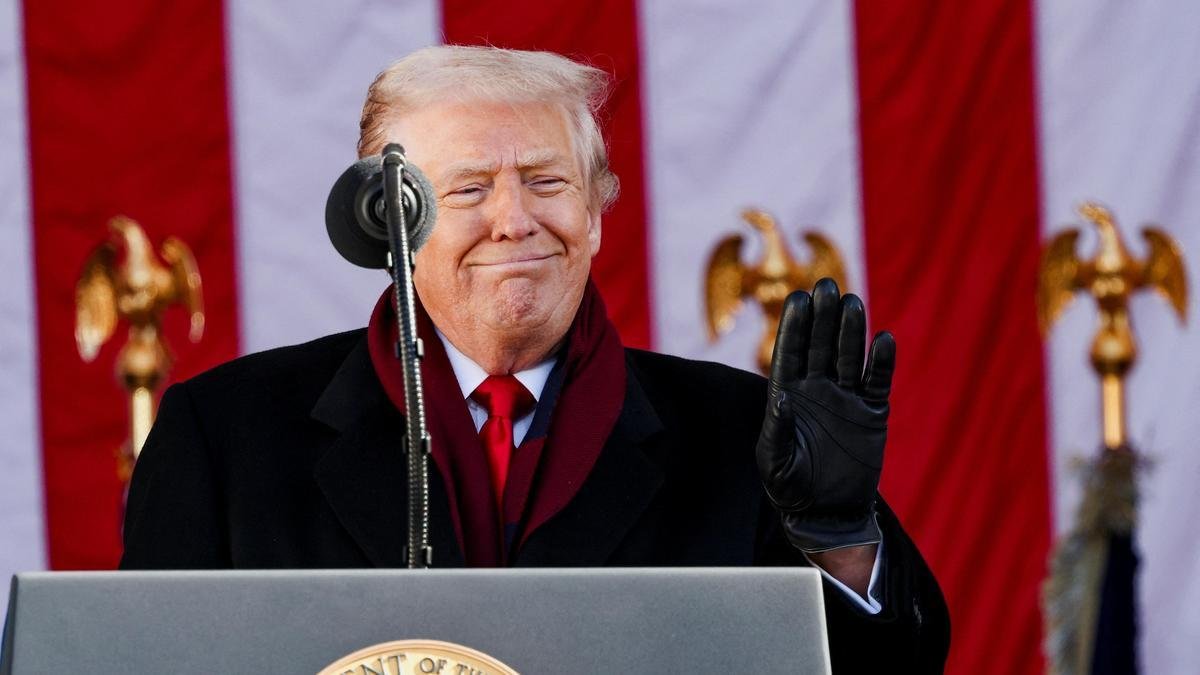
U.S. President Donald Trump