





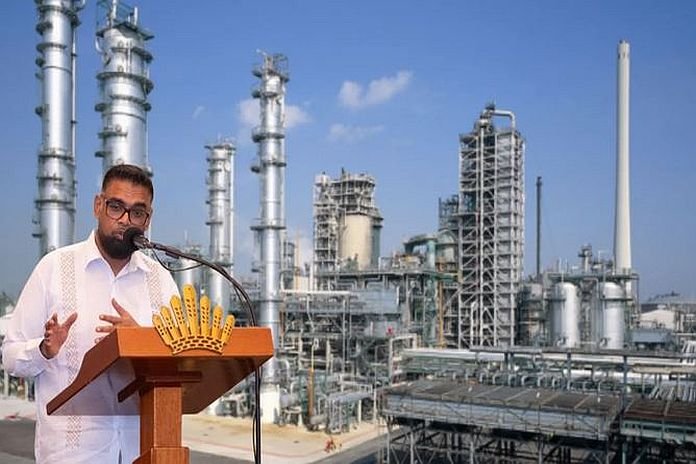
The ongoing war in West Asia is exerting significant upward pressure on global oil markets, with crude prices in early March 2026 exceeding US$100 per barrel. For Guyana, this is not a far-off geopolitical issue but an immediate economic challenge with tangible consequences. Although Guyana is an oil producer, it remains heavily reliant on imported refined petroleum products such as petrol, diesel, and aviation fuel—commodities priced on the volatile international market and largely outside domestic control.
During his Presidential election campaign, Donald Trump portrayed himself as a leader committed to peace, promising to resolve major conflicts such as those in Ukraine and Gaza; however, within just a few months, the global situation has looked quite different, with the war in Ukraine ongoing, tensions in Gaza persisting, and a new, dangerous conflict involving Iran emerging. This raises an important question: Is this the only significant war the world will face, or could more conflicts develop over the next three years, especially as geopolitical tensions, shifting alliances, and competition among global powers intensify? Meanwhile, the world is changing rapidly, and unexpected developments could alter the course of events at any moment, making the future of global peace and stability increasingly uncertain. Cuba is another country where a new conflict could ignite at any time. This conflict would be detrimental to Guyana’s economy.
It is essential that Guyana takes the necessary steps to establish a refinery. The private sector can play a vital role in this process. In such an arrangement, the Government of Guyana would supply the crude oil, while the private partner would finance the entire project and oversee construction, operations, and management by experts and technical specialists.
This model could save Guyana approximately 9.5 billion Guyanese dollars, which could then be channelled into national development priorities such as infrastructure, healthcare, and education. The time has come for Guyana to engage reputable international companies with proven refinery expertise and to employ sound financial planning to develop a profitable, sustainable facility. By adopting this strategy, the government would not only reduce long-term fuel costs but also generate revenue and stimulate economic growth. Therefore, developing a national refinery should be a priority for the Government of Guyana. In doing so, Guyana could save a substantial amount of foreign currency and become a supplier of refined fuel to CARICOM countries and the wider world.
According to the 2026 National Budget, Guyana imported approximately 48,000 barrels per day of refined petroleum products in 2025 at an average cost of US$69 per barrel. Should elevated global prices persist due to ongoing instability in West Asia, the country’s fuel import bill could increase significantly—by an estimated US$45 million per month (around G$9.5 billion). This would further strain foreign exchange reserves, raise the cost of living, and impact key sectors such as transportation, agriculture, and manufacturing.
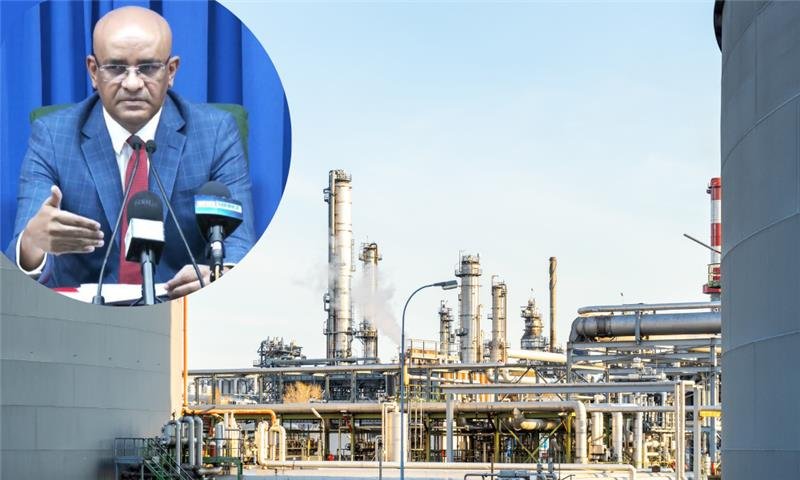
One potential response is to introduce fuel subsidies. However, this approach would be costly and difficult to sustain over time, especially considering that Guyana’s fuel and lubricant imports exceeded US$1.3 billion in 2025. In this context, meaningful engagement with the Private Sector Commission becomes essential. Collaborative strategies—such as improving supply chain efficiencies, optimising logistics, and promoting energy conservation—can help mitigate the impact without placing excessive pressure on public finances.
Simultaneously, key oil-importing economies such as China, South Korea, Thailand, and India have already increased domestic fuel prices in line with global trends. Conversely, countries in the Western Hemisphere, including Guyana, hold a strategic advantage due to their rising oil production capacity. Guyana’s output now exceeds 900,000 barrels per day, supported by major offshore developments, including the Yellowtail project.
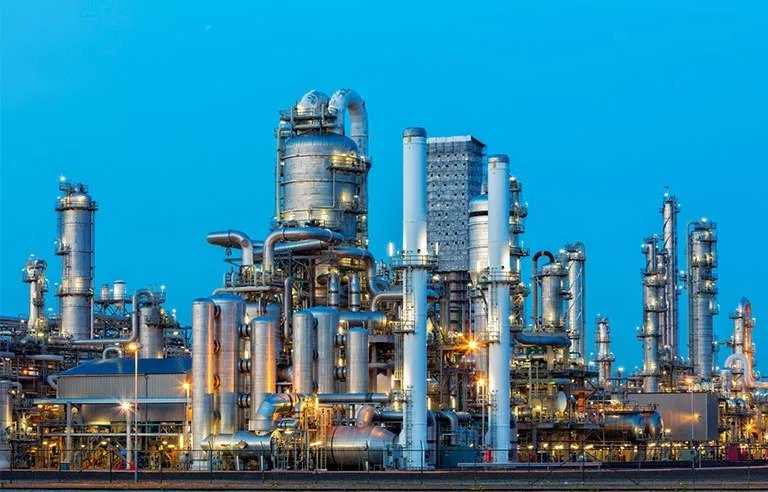
This situation emphasises a crucial strategic requirement: for Guyana to collaborate with dependable oil-refining partners and use their funding to establish its own refining infrastructure. Building a domestic refinery would greatly lessen reliance on imported refined fuels, protecting the economy from external shocks and elevated transportation expenses. A private-sector-led, modular, and expandable refinery offers a practical, bankable prospect, especially given the scale of current production.
Such an initiative would not only strengthen energy security but also improve local value addition, ensuring that a larger share of the country’s natural resource wealth remains within its borders. It would also create opportunities for downstream industries, including petrochemicals, plastics, and fertilisers, diversifying the economy beyond crude exports.
The potential for a refinery in areas like Berbice could further promote regional development, generate employment, and support infrastructure growth. The international example of Singapore demonstrates this effectively. Through continuous investment in refining and petrochemical sectors, Singapore has become a major global energy hub, providing thousands of jobs and sustaining long-term economic growth. Although Guyana’s size and circumstances differ, the core idea of adding value remains highly relevant.
Besides refining, Guyana can accelerate investments in renewable energy as part of a broader energy diversification plan. Expanding solar, hydro, and wind projects would reduce long-term reliance on fossil fuels while supporting environmental sustainability. Initiatives like the gas-to-shore project already demonstrate a forward-looking approach, laying the foundation for more affordable, reliable energy.
Ultimately, the current global price rise acts as both a warning and an opportunity. It highlights the fragility of depending on imported refined fuels, even for oil-producing nations. Simultaneously, it provides a clear route for Guyana to strengthen its economic resilience through strategic investment, innovation, and collaboration.
With prudent policymaking, private-sector participation, and an ongoing commitment to long-term growth, Guyana can shift from vulnerability to self-sufficiency—transforming its oil wealth into a catalyst for national prosperity and energy security.