





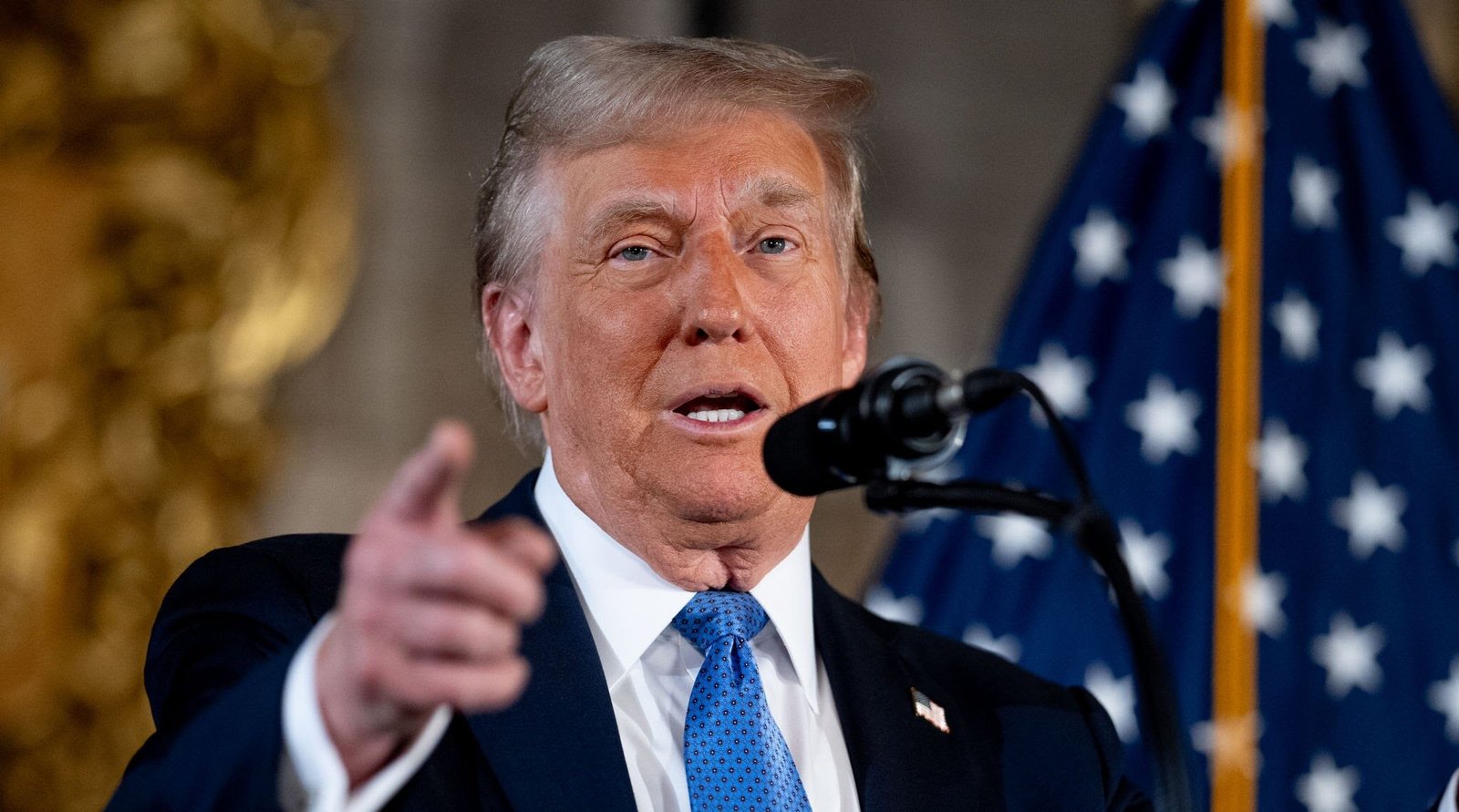
The conflict between the United States and Iran intensified sharply after Donald Trump issued a stark ultimatum, warning Tehran to reopen the Strait of Hormuz by Tuesday night or face devastating attacks on critical infrastructure, including power plants and bridges.
The warning, delivered through a strongly worded social media post, marked one of the most aggressive statements in the ongoing five-week conflict. In response, Iran’s parliamentary speaker, Mohammad-Bagher Ghalibaf, cautioned that such actions could plunge the entire region into chaos, accusing Washington of escalating tensions recklessly.
The situation unfolded amid continued military developments, including the successful rescue of a second crew member from a downed US F-15E fighter jet. The aircraft had crashed in southwestern Iran, triggering a two-day search operation involving both American special forces and Iranian troops. While Iranian media circulated images of wreckage from multiple aircraft, officials did not dispute the rescue mission.
The strategic Strait of Hormuz, a vital global oil transit route, remains at the center of the crisis. Iran’s control over the waterway has disrupted shipping and driven oil prices sharply higher. US benchmark crude rose significantly, while global prices also surged in response to the uncertainty.
Despite the harsh rhetoric, Trump indicated that negotiations might still be possible, suggesting there was a “good chance” of reaching an agreement. However, he also warned that failure to act quickly could lead to further escalation, including potential US control over oil assets.
Iranian officials have acknowledged indirect communication channels, reportedly facilitated by intermediaries such as Pakistan, but maintain that no formal negotiations are underway. Concerns persist in Tehran that any move toward direct talks could expose officials to targeted strikes.
Ghalibaf, in a strongly worded statement, accused the US of dragging the region toward widespread destruction and criticized what he described as alignment with Israeli leadership. Benjamin Netanyahu has previously defended military actions against Iran, stating that key industrial sectors, including steel production, have been heavily targeted due to their alleged links to weapons manufacturing.
The conflict has also drawn criticism within the United States. Senate Minority Leader Chuck Schumer condemned Trump’s statements, describing them as dangerous and damaging to international alliances.
Meanwhile, the war has entered a more destructive phase, with increasing attacks on infrastructure. A major bridge near Tehran—considered a symbol of national engineering progress—was destroyed in a recent strike, causing casualties and further intensifying public anger.
Legal experts have raised serious concerns about the nature of these attacks. Scholars in international law argue that targeting civilian infrastructure could violate principles outlined in the Geneva Conventions, which are designed to protect non-military sites and populations during armed conflict.
Beyond Iran, the violence has spread across the Gulf. Iranian strikes have reportedly hit facilities in Bahrain and Kuwait, including oil and energy installations, causing fires and significant damage. In Lebanon, Israeli airstrikes have resulted in casualties, further widening the scope of the conflict.
As both sides continue to exchange threats and military actions, the risk of a broader regional war remains high. The Strait of Hormuz, a critical artery for global energy supplies, has become a powerful leverage point, with far-reaching implications for international markets and geopolitical stability.
With diplomacy uncertain and hostilities escalating, the coming days are likely to be decisive in determining whether the crisis moves toward resolution or deeper conflict.