





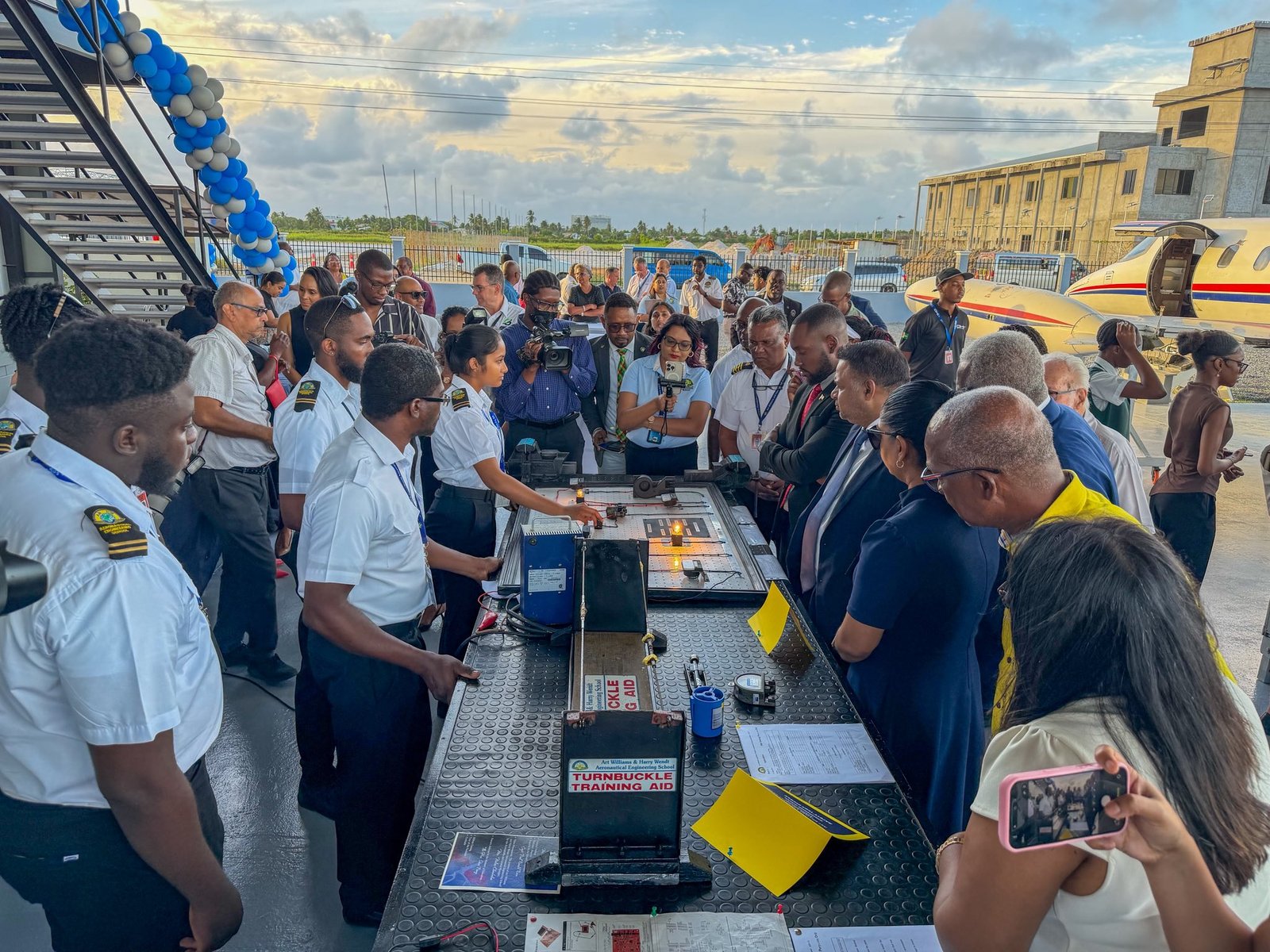
Guyana has made another step towards strengthening its aviation sector by opening a modern facility at the Art Williams and Harry Wendt Aeronautical Engineering School located at Ogle on the East Coast of Demerara. The new building is expected to substantially enhance the training environment for future aviation professionals, including engineers, mechanics, and technicians who will play a crucial role in supporting the country’s expanding aviation industry.
The presence of Deodat Indar, Minister of Public Works responsible for Utilities and Aviation, at the ceremony highlighted the government’s strong commitment to developing Guyana’s aviation sector. His participation showed a proactive approach to improving infrastructure and supporting the industry’s growth. The event was also attended by Sonia Parag, Minister of Education, emphasising the vital connection between education, skills training, and the development of a capable aviation workforce. Minister Indar has been particularly active internationally in promoting the aviation sector; he recently took part in the Routes Americas 2026 summit in Rio de Janeiro, Brazil, where he showcased Guyana’s expanding aviation opportunities and aimed to attract greater international connectivity and investment to support the country’s growing aviation industry.
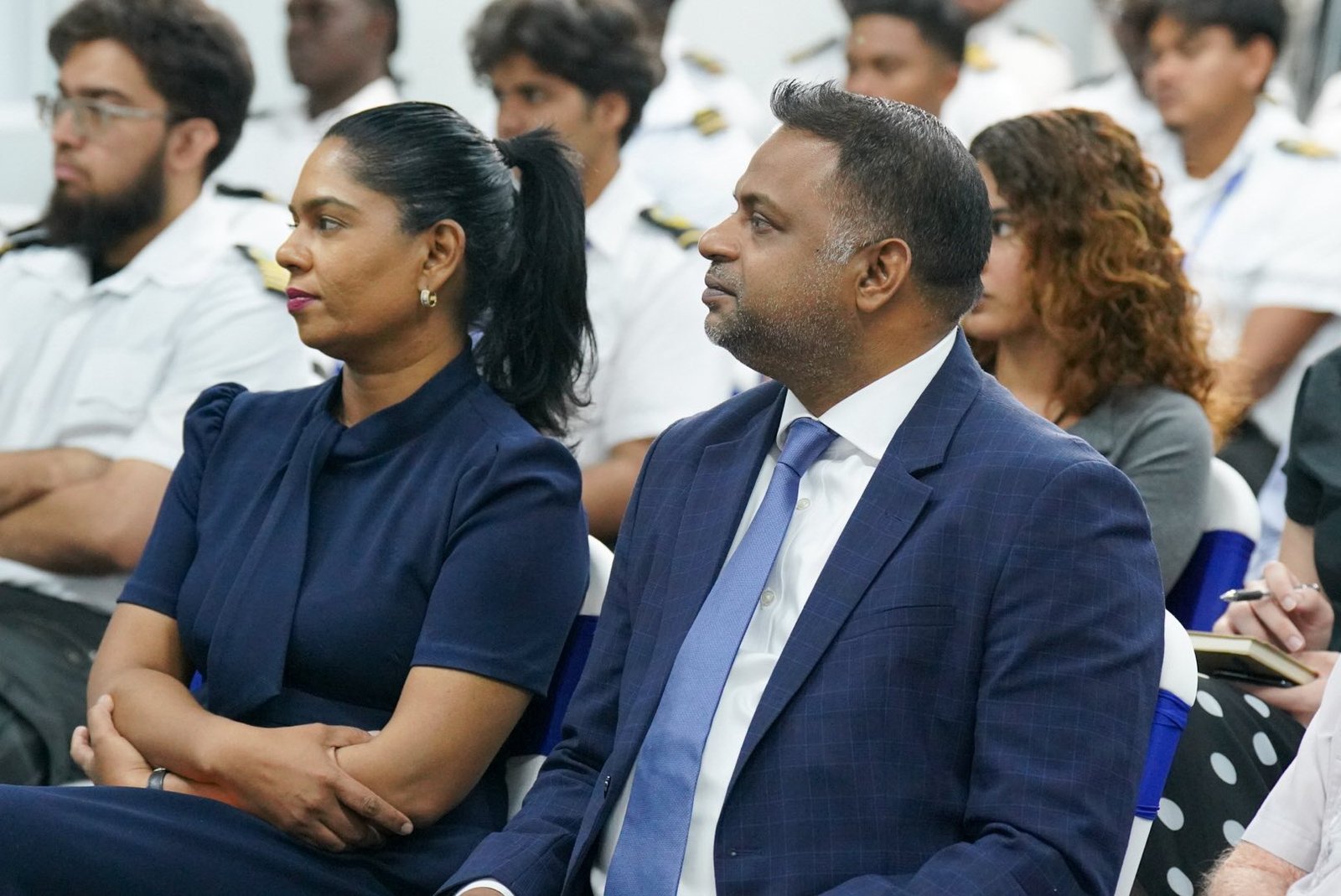
Speaking at the inauguration ceremony on Wednesday, Sonia Parag, Minister of Education, highlighted the importance of investing in human capital as Guyana continues to expand its infrastructure and aviation capabilities. Addressing the gathering on behalf of Irfaan Ali, the President of Guyana, she described the new facility as a significant step towards enhancing the quality of technical training available in the country.
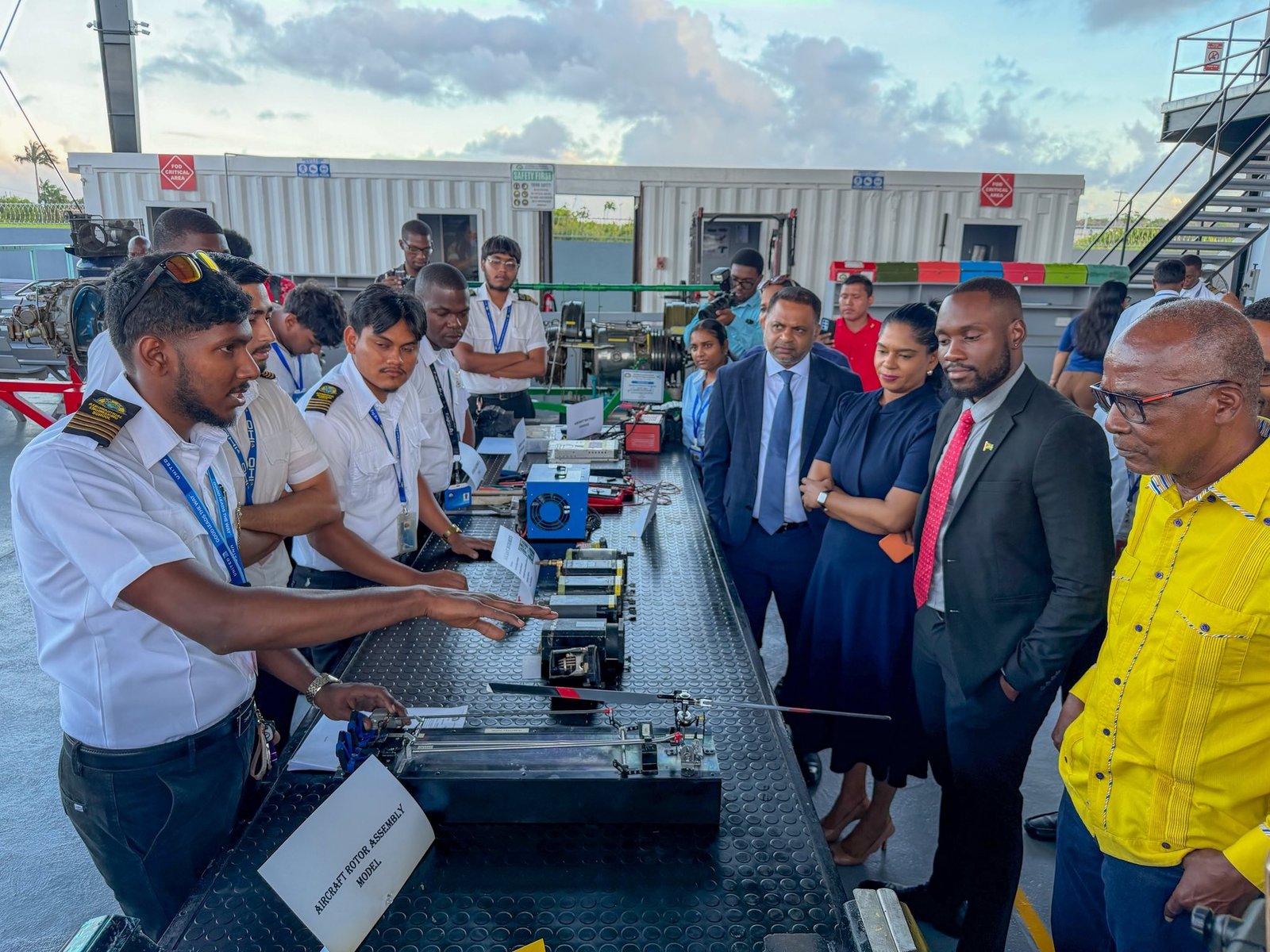
According to the minister, the upgraded infrastructure offers a modern, comfortable environment for students to gain specialised knowledge and practical skills essential for careers in aviation engineering and related technical fields. She remarked that aviation is a highly demanding industry that requires accuracy, discipline, and advanced training, and that the new building will help prepare students with the expertise needed to meet those challenges.
Minister Parag also emphasised the vital role aviation plays in Guyana’s national development. Considering the country’s vast landscape and the presence of isolated Hinterland communities, aviation serves as an essential link connecting people across regions. In many areas where road access is limited or absent, air travel remains the most dependable method of transportation for citizens seeking healthcare, education, and economic opportunities.
She emphasised that the safety and effectiveness of any aviation system depend heavily on the skills and professionalism of the individuals who operate and maintain it. Behind every successful flight, she noted, is a team of well-trained experts—pilots, engineers, technicians, and safety specialists—who ensure aircraft operate smoothly and securely. Without this network of trained professionals, the aviation system cannot function properly.
The government, she added, remains committed to improving education and technical training across different sectors to develop the skilled workforce needed for Guyana’s growing economy. As the country experiences rapid development, particularly in infrastructure and aviation services, fostering local expertise is essential for long-term sustainability.
The school’s chairman, Paul Ronald Reece, also discussed the event and reflected on the institution’s history and achievements. He explained that the school was established in 1993 to address a significant shortage of qualified aviation professionals in Guyana. At that time, only three licensed aircraft engineers were available to maintain five aircraft operating from the airstrip, creating an urgent need to train local specialists.
Over the decades, the institution has expanded greatly and has built a reputation as a respected regional aviation training centre. Today, it attracts students not only from Guyana but also from across the Caribbean, and it operates with the approval of several regional civil aviation authorities.
Reece emphasised that the school has played a crucial role in developing the country’s aviation workforce. In fact, over 95 per cent of the aircraft engineers and mechanics currently working in Guyana received their training at the institution, demonstrating its influence on the sector.
Meanwhile, the school’s Accountable Manager and General Manager, Nalini Chanderban, discussed the organisation’s steady growth since its early days. She recalled that the institution began modestly in the 1990s, operating from rented classrooms while gradually expanding its programmes and achieving both national and regional accreditation.
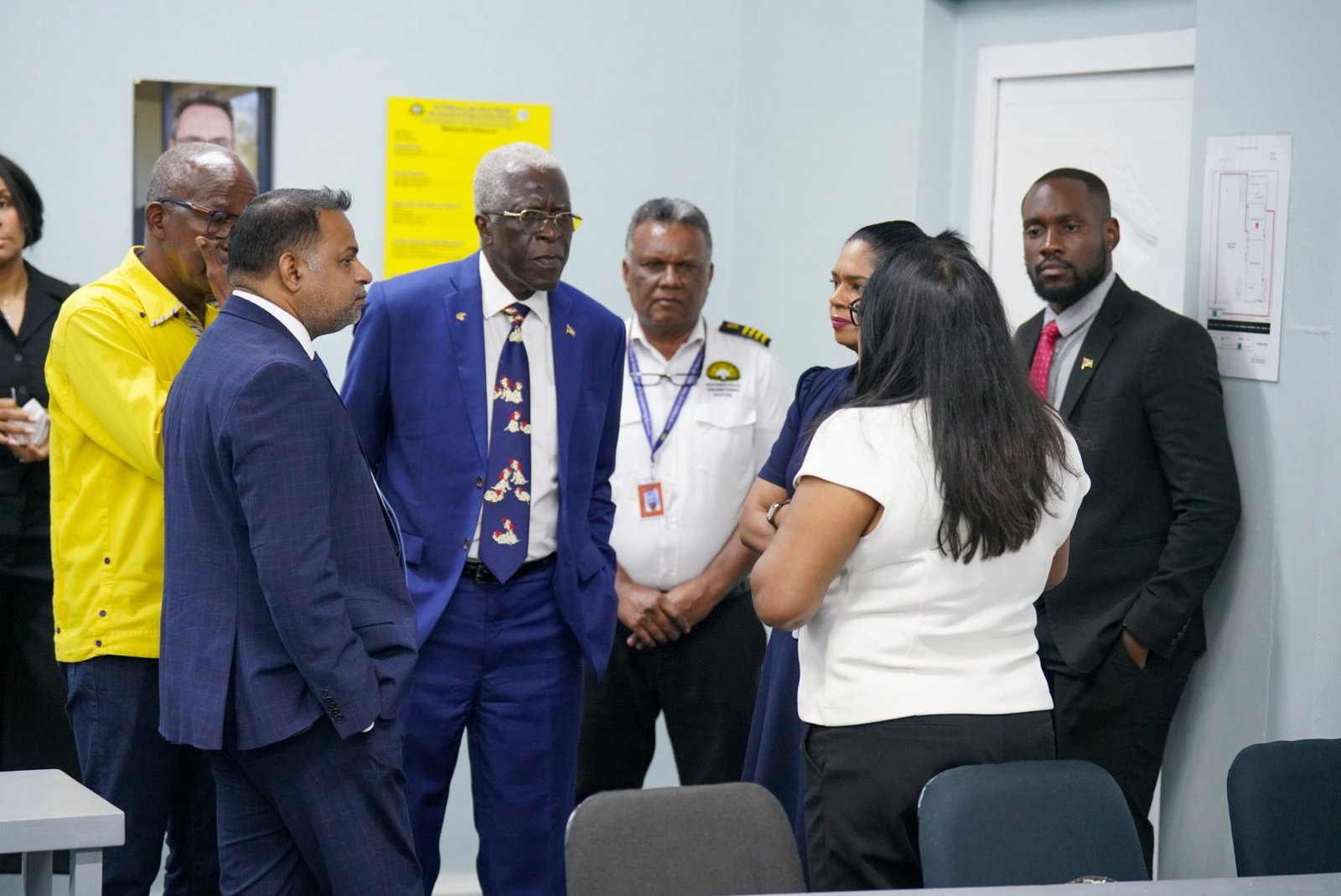
Through ongoing development and adaptation, the school has expanded its programmes to meet the evolving needs of the aviation industry. Today, it offers a wide variety of educational pathways, including modular certificate programmes, diploma courses, and degree-level training. These programmes are designed to prepare students for technical careers in aviation and related fields.
Chanderban noted that the institution is also dedicated to expanding technical and vocational training opportunities for young people interested in aviation careers. In doing so, the school aims to inspire a new generation of engineers and technicians to help develop and modernise Guyana’s aviation sector.
The opening of the new facility marks a significant milestone for aviation education in Guyana. As the country continues to invest in infrastructure and connectivity, institutions like the Art Williams and Harry Wendt Aeronautical Engineering School will play a vital role in ensuring that the nation has the skilled professionals needed to support its expanding aviation industry and broader economic growth.