



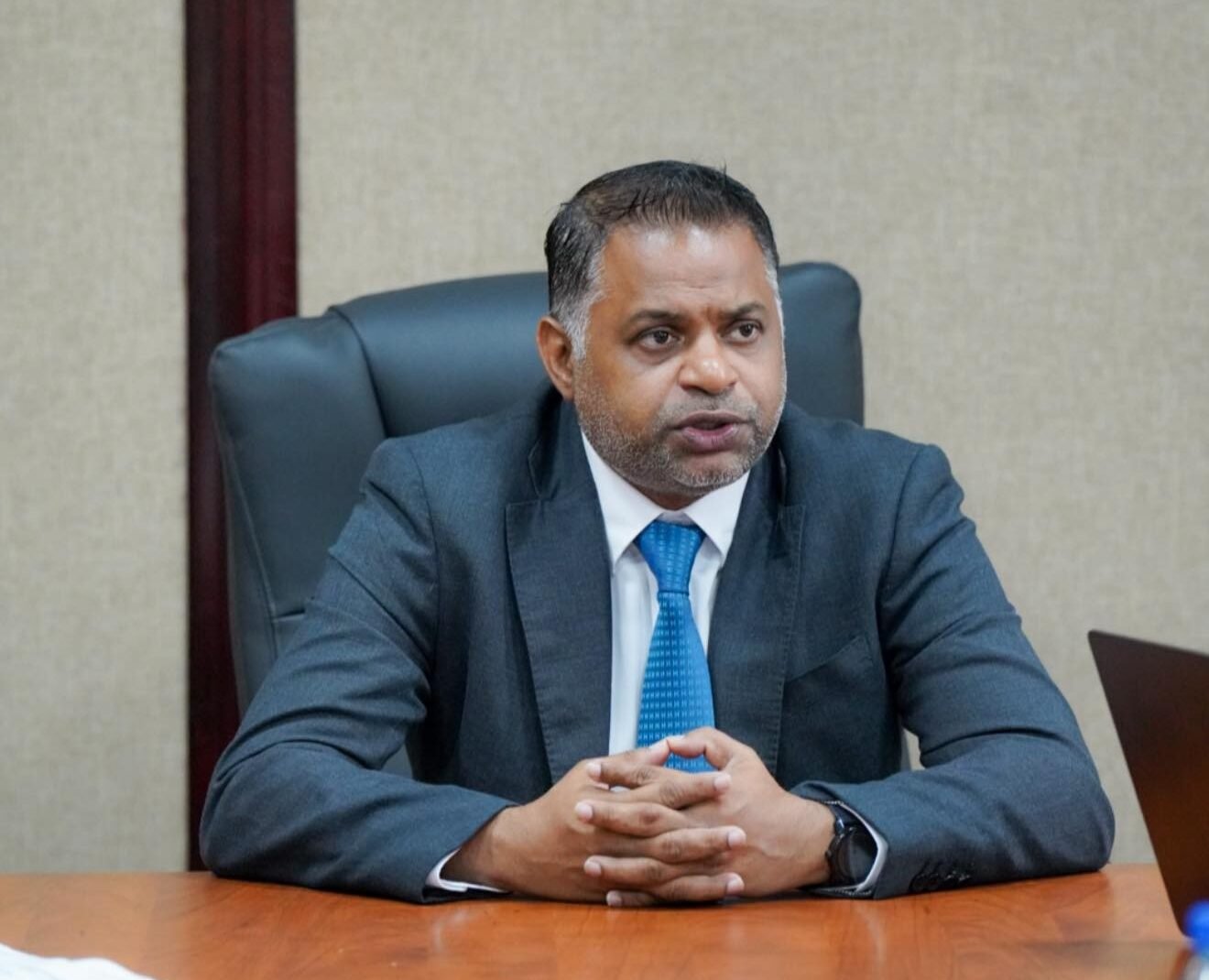
Minister of Public Utilities and Aviation Deodat Indar marks World Water Day 2026 with the theme “Water and Gender.” The country notes significant progress in water access while recognising the ongoing challenges faced by women and girls, particularly in hinterland and riverine communities. This year’s national discussion extends beyond infrastructure, emphasising how equitable water access can transform lives, foster gender equality, and support sustainable development.
At the forefront of this transformation is Guyana Water Incorporated (GWI), whose Chief Executive Officer, Shaik Baksh, emphasised that access to safe and reliable water is more than just a basic service; it is a vital driver of social and economic development. In recent years, Guyana has made significant progress, achieving 98.6 per cent national water access. Even more remarkable is the improvement in hinterland and riverine regions, where access has increased from just 46 per cent to an impressive 94 per cent.
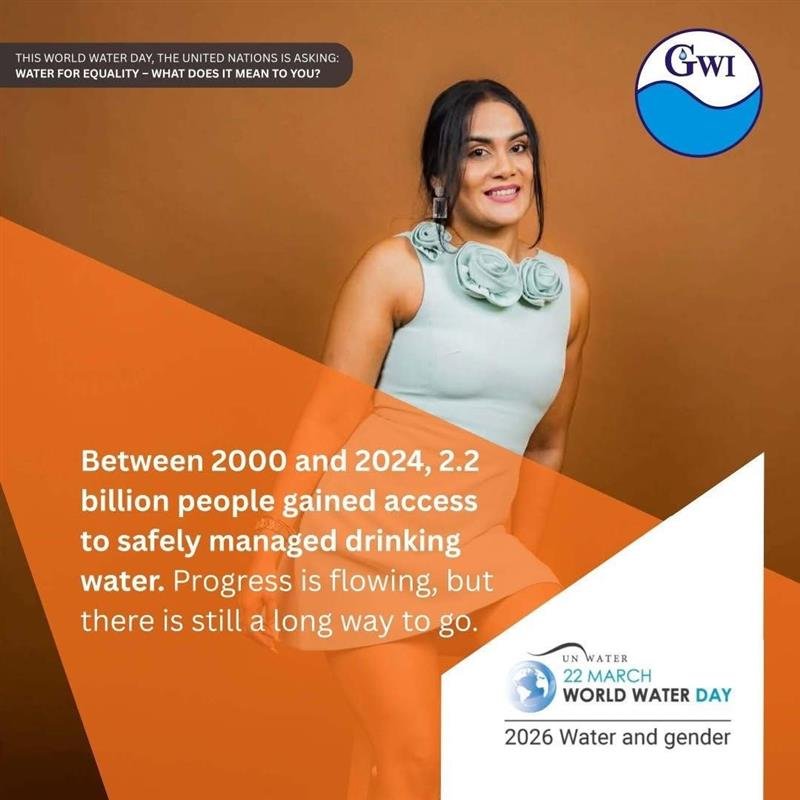
These improvements come from major investments in water infrastructure across the country. The opening of large treatment plants at New Cummings Lodge, Wales, Caledonia, Bartica, and Bachelor’s Adventure has already improved the daily lives of over 200,000 residents. These upgrades are especially valuable for women and girls, who have traditionally been responsible for fetching water in remote communities. With better access, they now have more time and chances to pursue education, jobs, and other worthwhile activities.
Looking ahead, GWI’s 2026–2030 strategic plan indicates a new phase of modernisation and innovation. The focus will shift towards digital transformation, including the deployment of smart metering systems and advanced leak-detection technology. These initiatives aim to reduce water losses—commonly called “non-revenue water”—while enhancing efficiency, accountability, and service delivery. Plans are also in progress to establish a new wastewater treatment facility in Georgetown, a move expected to significantly improve sanitation and public health outcomes.
Complementing these efforts is Deodat Indar’s leadership, who has stressed that water access is not only a technical issue but also a matter of social justice. He pointed out that in many communities, women are the primary managers of household water resources, making equitable access essential for both economic empowerment and national development. The Minister reaffirmed Guyana’s commitment to achieving Sustainable Development Goal 6, which aims to ensure universal access to safe water and sanitation by 2030.
Key initiatives such as the Coastal Water Treatment Programme continue to expand and upgrade infrastructure across the country, strengthening transmission networks and providing more reliable service. Strategic partnerships with international organisations, including the Inter-American Development Bank (IDB) and the Japan International Cooperation Agency (JICA), are also essential. Projects like the Diamond Surface Water Treatment Plant aim to improve climate resilience and secure the country’s long-term water supply.
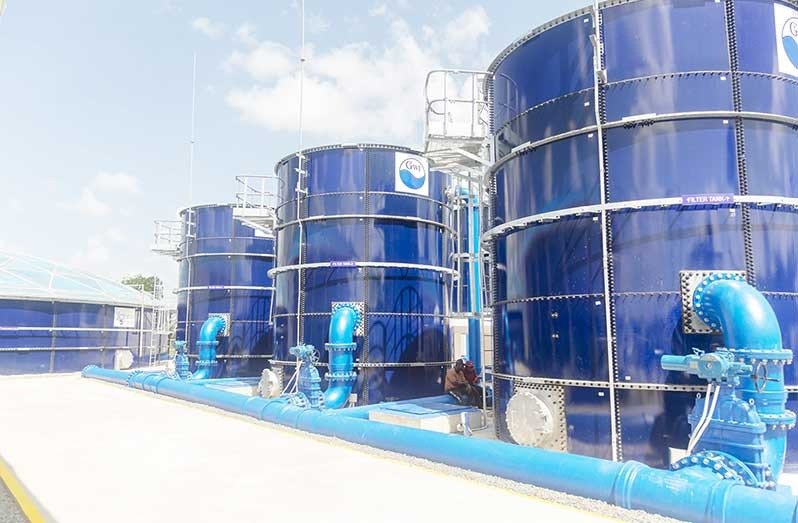
Minister Indar further stressed that hinterland water access now reaches about 91 per cent, demonstrating the government’s ongoing commitment to inclusive development. Notably, targeted investments in Indigenous and remote communities are helping reduce the time women spend fetching water, thereby creating new opportunities for education and economic participation.
Beyond infrastructure, both officials emphasised the importance of collective responsibility in ensuring water sustainability. Water, as Minister Indar noted, is a finite and precious resource, and its preservation requires active participation from every citizen. Conservation, protection of water sources, and responsible usage are all essential to maintaining the progress achieved thus far and securing it for future generations.
From a broader perspective, Minister Indar’s efforts in the public utilities and aviation sectors have been widely recognised. His proactive approach and visible commitment to enhancing services are strongly aligned with national development goals. At Democracy Guyana, we acknowledge these ongoing efforts and remain dedicated to sharing such progress with a broad audience, reaching approximately 200,000 readers locally each month and an additional 50,000 internationally. While other media outlets also contribute significantly to public awareness, our platform continues to play a vital role in highlighting global development, promoting transparency, and fostering informed national dialogue not only in Guyana but worldwide.
From a broader perspective, Minister Indar’s efforts in the public utilities and aviation sectors have been widely recognised. His proactive approach and visible commitment to improving services closely align with national development goals. At Democracy Guyana, we acknowledge these ongoing efforts and remain dedicated to sharing such progress with a wide audience, reaching approximately 200,000 readers locally and an additional 50,000 internationally. While other media outlets also contribute meaningfully to public awareness, our platform continues to play a vital role in highlighting development, encouraging transparency, and fostering an informed national dialogue.
Guyana’s progress in water access illustrates how strategic investment, effective leadership, and international cooperation can transform lives. As the nation progresses on its development journey, incorporating gender equality, technological advancement, and environmental sustainability will be vital to creating a future where every citizen has access to safe, reliable water—fostering prosperity, dignity, and equality for all.