




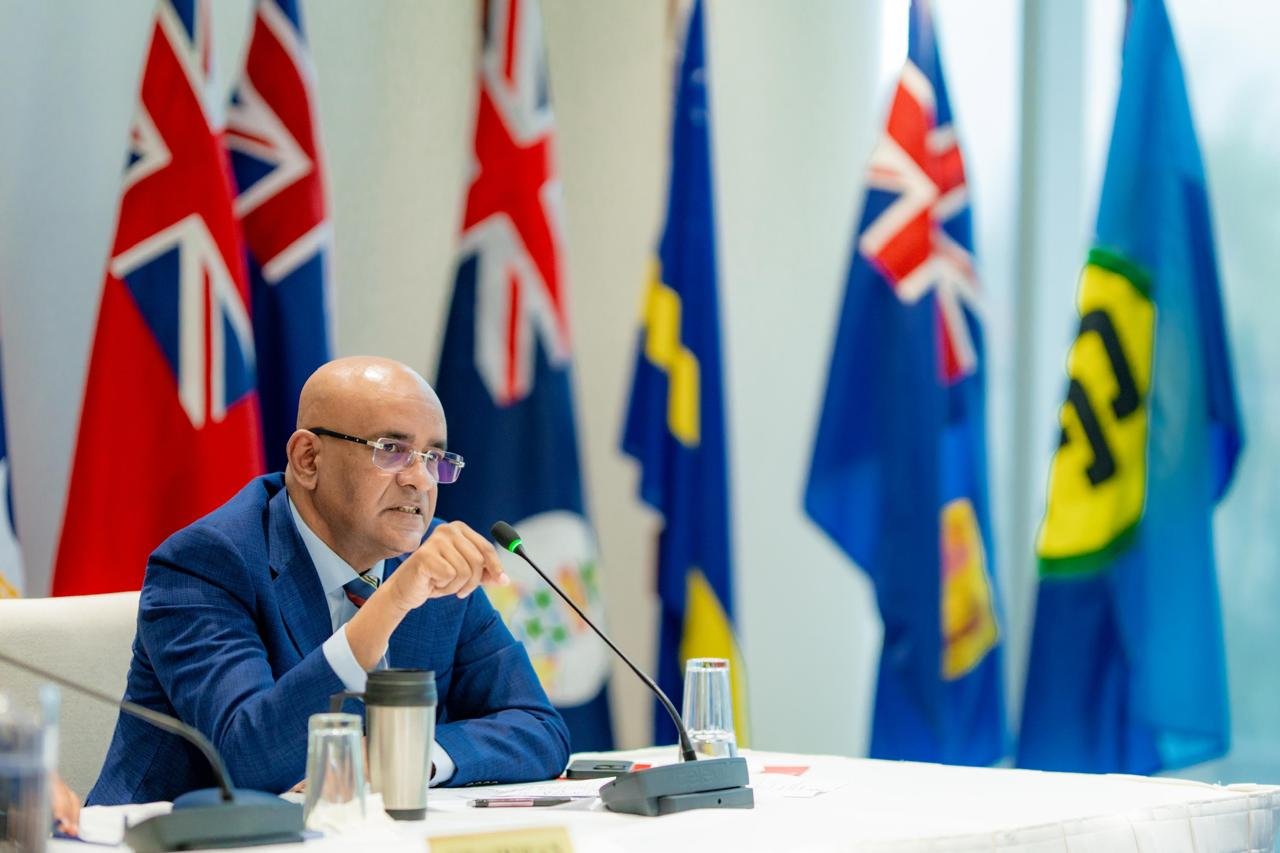
At a regional meeting this week, Vice President Dr. Bharrat Jagdeo delivered a blunt message to Caribbean policymakers. He stressed that climate policy must move beyond rhetoric and confront real-world constraints.
Speaking at the 124th Special Meeting of the Council for Trade and Economic Development (COTED) on Thursday (March 26, 2026), Dr. Jagdeo warned that global instability is exposing weaknesses in the transition to renewable energy.
“We are far away off from weaning ourselves of fossil fuel,” he said, citing the economic fallout from a new conflict involving Iran, Israel and the United States, including rising fuel costs and pressure on national budgets.
Dr. Jagdeo rejected the long-standing framing of climate policy as a choice between fossil fuels and renewables. “The fact is that we will need fossil fuel,” he said, urging a more balanced approach that combines cleaner energy, efficiency and technological innovation.
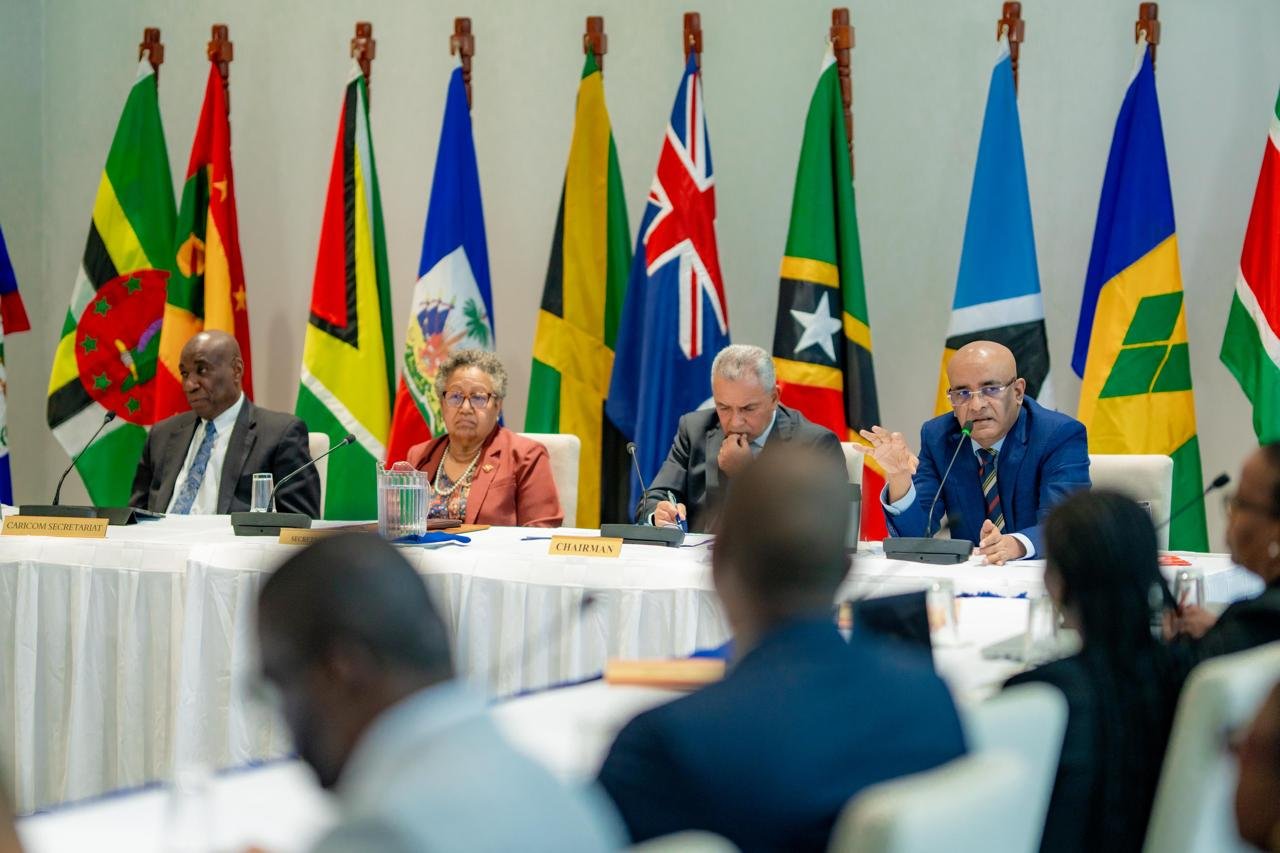
He also warned that weakening international cooperation—particularly reduced U.S. engagement in forums such as the Conference of the Parties, could make global emissions targets harder to achieve.
“We have done this every single time we have gone to the Conference of Parties (COP)… we restate the problem over and over again, without exploring for solutions,” he added.
Jagdeo outlined several priorities for the Caribbean, including reducing dependence on imported fuel, strengthening infrastructure against natural disasters and advancing biodiversity protection. He also called for reforms to global climate financing systems, criticizing the Green Climate Fund as inefficient.
“You have to jump through hoops… to get a small sum of money,” he said.
Pointing to Guyana as an example, Jagdeo highlighted the Low Carbon Development Strategy (LCDS) launched in 2009 and the revised LCDS 2030 launched in 2022, which has generated nearly US$1 billion through forest carbon credits and funded community projects and flood defenses.
He also noted the potential of artificial intelligence in environmental monitoring, describing it as “a powerful tool,” while cautioning against overreliance.
Jagdeo closed with a warning to younger leaders. “If we don’t break this cycle,” he posited, “you [are] going to get tired… listening to the same thing over and over again.”