



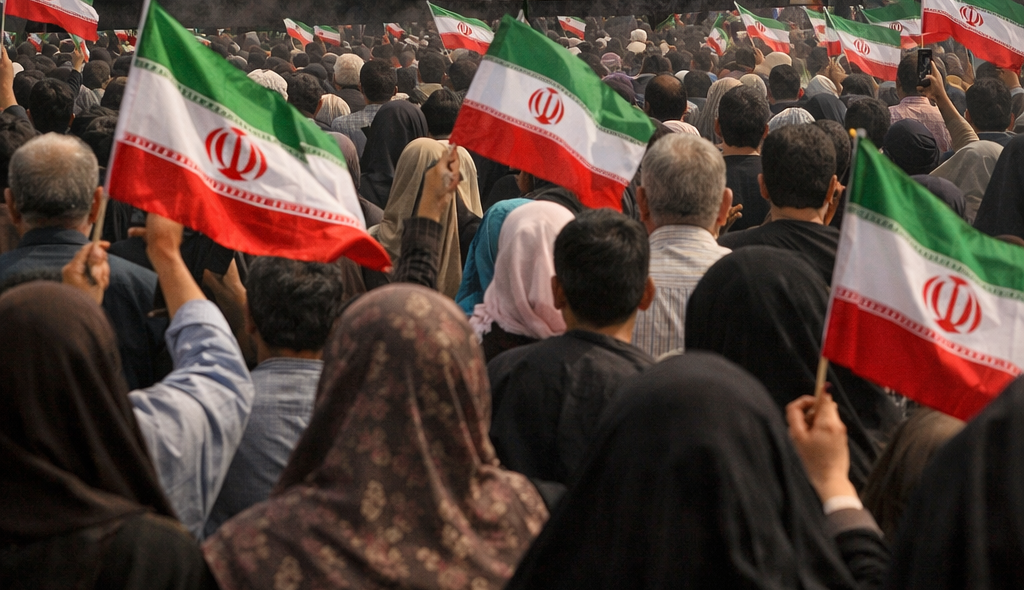
Iran is currently experiencing one of the most significant political transitions in its modern history following the death of its long-time Supreme Leader, Ali Khamenei. For more than three decades, Khamenei played a central role in shaping Iran’s domestic policies, foreign relations, and strategic direction in the Middle East. His death has created a major political shift in the country, raising questions about the future of Iran’s leadership, its internal stability, and its role in global geopolitics.
In response to the leadership vacuum, Iran has temporarily established a leadership council to oversee the country until a new Supreme Leader is officially appointed. Among the key figures involved in this transition is senior cleric Alireza Arafi, who has emerged as one of the most influential figures in the current power structure. The temporary governing body also includes Iranian President Masoud Pezeshkian and the country’s Chief Justice Gholam-Hossein Mohseni-Eje’i. Together, they are responsible for maintaining political stability and guiding the country during this sensitive period until Iran’s Assembly of Experts selects a permanent successor.
Inside Iran, the political situation remains delicate. The loss of a leader who held authority for such a long period has naturally created uncertainty among political factions, religious authorities, and the public. Iran’s political system is deeply rooted in a combination of religious leadership and governmental institutions, and the transition of power is being closely watched by both conservatives and reformists within the country. While the leadership council aims to maintain stability, there are concerns about possible internal power struggles and policy disagreements during this transitional phase.
At the same time, Iran continues to face significant economic challenges. Years of international sanctions, combined with inflation, unemployment, and restrictions on global trade, have placed pressure on the Iranian economy. The leadership transition comes at a time when many citizens are already dealing with economic hardships, and the government will need to address these issues carefully to maintain public confidence. Economic stability will be one of the major challenges for whoever ultimately becomes the next Supreme Leader.
Beyond Iran’s borders, the leadership change carries major implications for the entire Middle East. Iran is a key regional power and has strong political and military influence in several countries, including Lebanon, Syria, Iraq, and Yemen. Its alliances with regional groups and governments have been central to Middle Eastern geopolitics for decades. A shift in Iran’s leadership could potentially reshape these relationships, either strengthening Iran’s regional influence or altering its strategic priorities.
The transition also affects Iran’s complex relationships with global powers. Tensions between Iran and Israel have been high for many years, particularly over Iran’s nuclear program and its support for regional groups opposed to Israeli policies. Similarly, Iran’s relationship with the United States has remained strained since the late twentieth century, largely due to sanctions, security concerns, and geopolitical rivalry. Any change in Iran’s leadership may influence how these tensions evolve in the coming years.
Another major global concern is the potential impact on energy markets. Iran possesses some of the world’s largest oil and natural gas reserves, making it an important player in global energy supply. Political instability or military conflict involving Iran can disrupt oil production and exports, which may lead to fluctuations in global oil prices. As a result, countries across Asia, Europe, and the Americas are closely monitoring developments in Iran because of their potential economic consequences.
Many international analysts believe the coming months will be crucial for determining Iran’s political future. If the transition leads to a strong and unified leadership, the country may continue along a similar path to its previous policies. However, if internal disagreements intensify, Iran could face a period of political uncertainty that might influence both domestic stability and regional security.
For the global community, Iran’s leadership change is more than just a domestic political event. It is a development with far-reaching consequences that could influence diplomatic relations, military dynamics, and economic conditions across multiple regions of the world. As the process of selecting a new Supreme Leader continues, governments and observers around the world are closely watching how Iran navigates this historic moment and what direction the country will take in the future.