





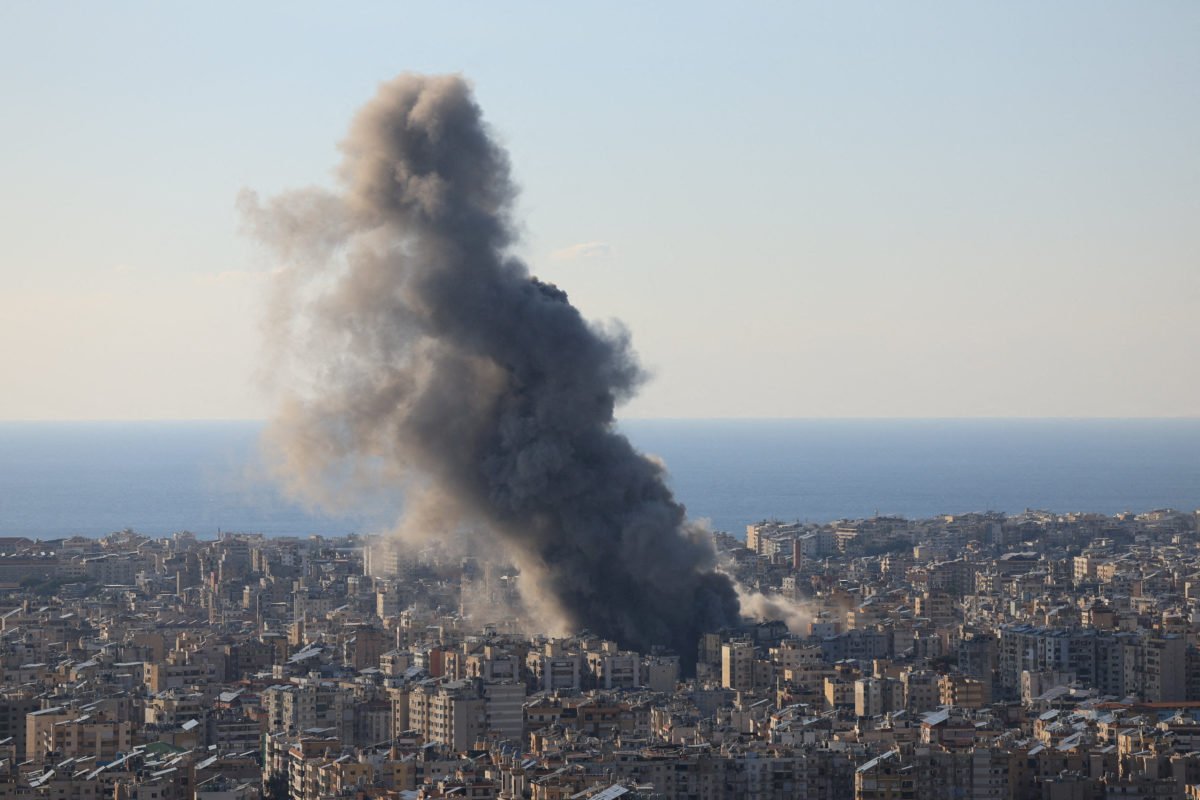
The ongoing war involving the United States, Israel, and Iran has entered a critical phase, with military operations escalating and diplomatic efforts struggling to contain the conflict. As of today, April 3, 2026, the war has been underway for more than five weeks since the initial joint U.S.–Israeli strikes began on February 28. The situation continues to evolve rapidly, with new attacks, retaliatory threats, and mounting global economic consequences.
Recent developments indicate that the United States is preparing to expand its military campaign by targeting key Iranian infrastructure such as bridges, power plants, and energy facilities. President Donald Trump has warned that stronger action will follow if Iran does not comply with U.S. demands, signaling a potential escalation rather than de-escalation in the coming days.
Fresh Strikes and Retaliation Threats
Today’s reports confirm that U.S. and Israeli forces have carried out new strikes near Tehran, including attacks on a bridge and a medical research facility. These strikes have caused casualties and significant damage to infrastructure, further intensifying tensions between the opposing sides.
Iran has responded with threats of retaliation and has already launched attacks on regional targets. In one major development, Iran reportedly conducted a drone strike on an oil refinery in Kuwait and claimed to have shot down another U.S. fighter jet. These actions demonstrate that the conflict is spreading beyond Iran’s borders and increasing the risk of a wider regional war.
In addition, Iranian authorities have vowed to retaliate following a deadly strike on a bridge in the city of Karaj, reinforcing concerns that the cycle of attack and counterattack could continue for weeks or even months.
Humanitarian and Economic Impact
The war has already resulted in thousands of deaths and widespread displacement of civilians. Infrastructure damage has disrupted transportation, electricity, and medical services across several regions in Iran. Humanitarian organizations warn that the situation could worsen if fighting continues at the current intensity.
Beyond the battlefield, the conflict is having significant global economic consequences. Oil prices have surged sharply due to disruptions in shipping routes, particularly through the Strait of Hormuz, one of the world’s most important energy corridors. This increase in energy costs is driving inflation and raising concerns about economic stability worldwide.
Food prices are also rising as supply chains are affected by the conflict. The United Nations has warned that global food costs could continue to climb if the war persists, putting additional pressure on developing economies and vulnerable populations.
International Reactions and Diplomatic Efforts
The international community is increasingly concerned about the risk of a broader Middle East war. The United Nations Security Council is expected to vote on proposals to protect shipping routes and stabilize the region, though disagreements among major powers have slowed progress toward a unified response.
Public opinion in the United States is also shifting, with recent surveys showing that many Americans are pessimistic about the war’s outcome and worried about its economic and security consequences. A large majority oppose sending ground troops to Iran, reflecting growing war fatigue among the population.
What Could Happen Next
Military analysts believe the next few weeks will be decisive. The conflict could move in one of three directions: a negotiated ceasefire, a prolonged air campaign, or a wider regional war involving additional countries. The situation remains unpredictable, and even a small incident could trigger a larger escalation.
For now, the Iran war stands as one of the most significant geopolitical crises in the world in 2026, with consequences extending far beyond the Middle East. Its outcome will shape global security, energy markets, and international relations for years to come.