





Dr Bharrat Jagdeo remains one of Guyana’s most consequential and enduring figures in its political and economic landscape. For more than three decades, he has served the nation in multiple capacities—Minister of Finance, President, Leader of the Opposition, Vice President, and General Secretary of the People’s Progressive Party (PPP). Few Caribbean leaders have had such a sustained and direct impact on national development, economic transformation, and international diplomacy.
Today, as Guyana experiences unprecedented economic expansion driven by oil and gas production, infrastructure development, and environmental leadership, Dr Jagdeo’s role remains central. His leadership has combined economic discipline, political resilience, and a long-term vision for national prosperity that benefits all Guyanese—regardless of ethnicity, religion, or social background.
The Youngest President in Guyana’s History
Dr Jagdeo made history in 1999 by becoming Guyana’s youngest President at 35. At the time, the country was still recovering from decades of economic decline, high debt, and institutional instability. Many observers questioned whether such a young leader could handle the demands of national governance. However, his tenure quickly demonstrated competence, discipline, and strategic thinking.

Before assuming the presidency, Dr Jagdeo served as Minister of Finance, where he played a key role in restructuring Guyana’s financial system. He negotiated debt relief with international institutions, stabilised inflation, and restored fiscal confidence. These reforms laid the foundations for economic recovery and future growth.
During his presidency, Guyana experienced steady improvements in public services, infrastructure, and investment inflows. Roads, schools, and healthcare facilities expanded, while economic policies encouraged entrepreneurship and private-sector participation. His administration prioritised building institutions to support long-term development over short-term political gains.
Dr Jagdeo is regarded as the father of Guyana’s Economic Miracle. GDP rose from $2.3 billion USD to over $25 billion USD and continued to increase daily. GDP Growth Rate: The economy expanded by 19.3% in 2025, continuing a trend of double-digit growth.
One of the defining features of Dr Jagdeo’s leadership has been his focus on economic transformation. When he entered government as the youngest President, Guyana faced serious financial challenges, including limited foreign investment and weak industrial capacity. Through disciplined economic management, the country gradually moved towards growth and stability.
Today, Guyana is recognised as one of the world’s fastest-growing economies, largely thanks to its oil and gas sector. However, the groundwork for this success was laid long before oil production began. Dr Jagdeo’s policies emphasised fiscal responsibility, investor confidence, and transparent governance.
International investors now regard Guyana as a stable destination for business. Infrastructure projects, including highways, ports, housing developments, and energy systems, are expanding rapidly. These initiatives are creating jobs, improving living standards, and strengthening national competitiveness.
Leadership in the Oil and Gas Era
As Vice President, Dr Jagdeo has played a leading role in managing Guyana’s oil and gas sector. The discovery of vast offshore reserves transformed the country into a major energy producer almost overnight. Managing such a resource requires strong governance, technical expertise, and strategic planning.
Dr Jagdeo has been actively engaged in negotiations with multinational energy companies, ensuring Guyana secures fair revenues while upholding environmental safeguards. Under his leadership, oil revenues are being channelled into national development projects, including education, healthcare, housing, and infrastructure.
His approach emphasises sustainability. Rather than relying solely on oil revenues, the government is investing in agriculture, manufacturing, tourism, and renewable energy. This diversification protects the economy from future volatility and ensures long-term prosperity.
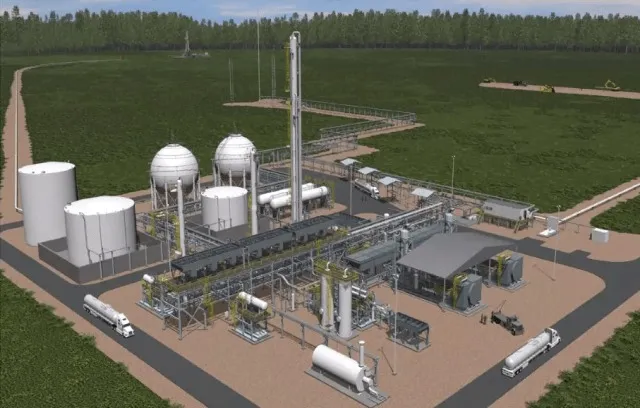
The Gas-to-Energy Project: A National Priority for Reliable Power in Guyana
The Gas-to-Energy project remains one of the most critical infrastructure initiatives for Guyana’s future, as it is expected to deliver stable, affordable electricity and significantly increase power supply for households, businesses, and industries across the country. This transformative project will help reduce energy costs, boost economic productivity, and enhance citizens’ quality of life. While the project has experienced delays, these setbacks cannot be attributed to the Government of Guyana but rather to implementation challenges faced by the contractors and entities responsible for executing the work since the project was awarded over two years ago.

Given the strategic importance of this initiative, the government must treat the Gas-to-Energy project as a top national priority. Strong leadership and decisive action are essential to ensure timely completion and to safeguard the country’s long-term energy security.
In this regard, Dr Bharrat Jagdeo’s expertise, economic knowledge and vision position him as one of the most qualified leaders to guide the process, address bottlenecks and ensure the project progresses efficiently. His experience in economic planning and national development can help accelerate progress, inform government decision-making, and ultimately deliver reliable power to the people of Guyana as soon as possible.
A Global Champion for Climate Change and Forest Conservation
Dr Jagdeo’s international reputation extends beyond economics. He is widely recognised as a global leader in climate change policy and environmental protection. Guyana is home to one of the world’s largest intact tropical rainforests, and protecting this natural resource has become a national priority.
Through the Low Carbon Development Strategy (LCDS), Dr Jagdeo positioned Guyana as a model for sustainable development. The strategy enables the country to preserve its forests while securing financial support from international partners. This innovative approach demonstrates that environmental conservation and economic growth can coexist.
His leadership in climate diplomacy has earned global respect. He has addressed international forums, collaborated with world leaders, and advocated fair climate financing for developing nations. By protecting Guyana’s forests, the government is securing environmental and economic benefits for future generations.
Infrastructure Development and Social Progress
One of the most visible signs of Guyana’s transformation is the rapid expansion of its infrastructure. New highways, bridges, hospitals, schools, and housing developments are reshaping the country’s physical landscape.
These projects are not merely symbolic. They improve daily life by reducing travel times, expanding access to healthcare, and creating economic opportunities. Modern infrastructure also attracts foreign investment and supports industrial growth.
Education and workforce development remain central priorities. Scholarships, technical training programmes, and digital learning initiatives are preparing young Guyanese for careers in emerging industries.
A Vision for the Future
Dr Bharrat Jagdeo’s leadership reflects a long-term vision for Guyana’s development. His policies aim to balance economic growth with environmental protection, social equity, and democratic governance.
The country now stands at a historic moment. Oil revenues provide unprecedented financial resources, while environmental stewardship ensures sustainability. Effective leadership will determine how these opportunities are managed in the years ahead.
Dr Jagdeo: A Leader Shaping Modern Guyana
Dr Bharrat Jagdeo’s career embodies continuity, resilience, and strategic leadership. From stabilising the economy to championing climate action and overseeing the oil and gas sector, his contributions have shaped Guyana’s modern identity.
The nation’s progress reflects decades of disciplined governance and forward-looking policies. While political debate will continue—as it should in any democracy, the measure of leadership ultimately rests on results: economic growth, improved living standards, and national unity.
As Guyana moves forward, leaders who combine vision, experience, and a commitment to public service will remain essential. Dr Jagdeo’s record suggests he will continue to play a defining role in the country’s journey towards prosperity and stability.