





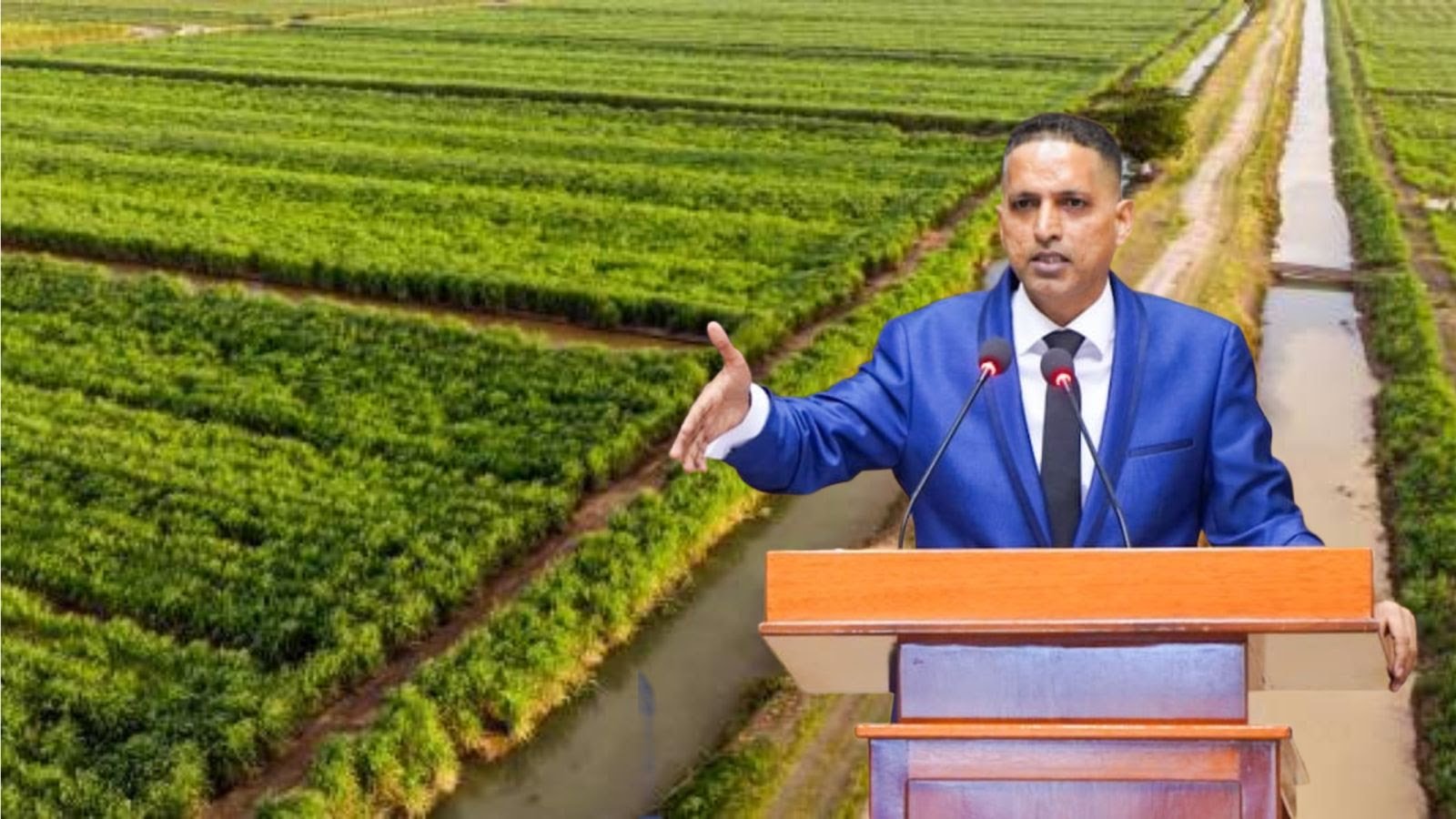
Minister within the Ministry of Agriculture, Vikash Ramkissoon, stated the $1.558 trillion budget reflects the government’s commitment to improving the lives of citizens, with major investments aimed at strengthening agriculture and supporting farmers.
Speaking on the fourth day of the Budget 2026 debates in the National Assembly, Minister Ramkissoon said that the budgetary allocations are “not just numbers attached to programmes, but a commitment to the people of this country.”
The minister highlighted the continued importance of the sugar industry, noting that billions of dollars have been allocated to support GuySuCo and the workers who, he said, played a historic role in building the nation.

“The sugar workers of this nation have, for centuries, contributed to the development of this country. It is respect, honour and dignity that we must give to them,” Minister Ramkissoon said.
He argued that revenue from sugar historically supported national development and reminded the assembly that the industry provided employment, housing, and social services to thousands of families.
Turning to rice, Minister Ramkissoon said the sector continues to record strong production and remains a pillar of the agricultural economy.
“We have seen some of the highest production levels in the history of the rice industry, and that does not happen by magic. Progress comes through strategic planning, execution and hard work,” he said.
The minister also outlined measures to reduce costs and increase productivity for farmers, including fertiliser assistance, crop insurance initiatives, and continued cash grants. He noted that the government is promoting the use of nano-fertiliser technology to lower input costs and improve yields.
“Instead of spending thousands of dollars on traditional fertiliser, farmers can reduce costs, increase yields and improve soil health. That means more money in the pockets of farmers,” he explained.
Minister Ramkissoon added that partnerships with international research institutions and local agencies are helping to modernise cultivation methods and expand plant nurseries, enabling thousands of plantlets to be distributed to farmers across the country.
He stressed that the government recognises the risks farmers take to ensure food security.
“This government understands the risks farmers take when they go into the fields to plant crops to feed this nation, and that is why we will continue to work with them and support them,” he said.
The minister maintained that investments in agriculture form part of a broader strategy to sustain economic growth while improving livelihoods.
“We are continuously working for the people, because development must translate into better lives for our citizens,” he said.