Guyana’s expanding natural gas ambitions are expected to open a new chapter of economic opportunity, with local companies encouraged to strengthen their capabilities and prepare to participate more in the country’s rapidly developing energy and industrial sectors.
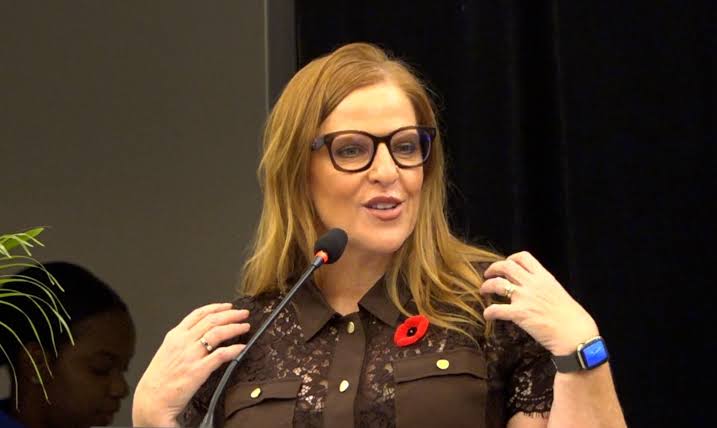
At the Guyana Supplier Forum 2026, an important industry gathering that brings together domestic suppliers, international companies, and key stakeholders to explore business opportunities in the oil and gas sector, ExxonMobil Guyana’s Socioeconomic Manager, Lorna Carlson, delivered a message.
Lorna Carlson highlighted that Guyana’s anticipated gas developments could create significant demand for local goods, services and technical expertise. She stressed that businesses should start preparing now by improving operational standards, developing skilled workforces and forming partnerships to compete for future contracts.
She also noted that the opportunities associated with natural gas will extend well beyond offshore petroleum operations. Potential growth areas include industrial infrastructure, manufacturing, transport, logistics, technology, electricity generation, gas processing, utilities and other supporting commercial activities.
While the scale and timing of these opportunities will depend on government decisions and individual project requirements, Carlson emphasised that businesses that can adapt to evolving industry demands, embrace innovation, and invest in human capital will be better positioned for long-term participation.
Guyana has already made substantial investments in developing its natural gas infrastructure. ExxonMobil has completed a US$1 billion pipeline investment to transport natural gas from the offshore Liza field to the Gas-to-Energy development at Wales, West Bank Demerara.
The first phase includes a 300-megawatt power generation facility and a Natural Gas Liquids (NGL) processing plant. Gas deliveries are expected to commence during the first half of 2027, providing fuel for electricity generation.
The next phase is expected to expand facilities in Wales with an additional power plant and NGL processing infrastructure. Plans also include downstream developments, such as a fertiliser manufacturing facility and a cooking gas bottling plant. These investments could stimulate demand across several industries and create opportunities for Guyanese contractors, suppliers and service providers.
Beyond the Wales development, the Guyana Government is exploring an even larger natural gas initiative in Region Six, East Berbice-Corentyne. The proposed development is expected to support a broader industrialisation strategy, potentially including additional electricity generation facilities, a data centre, an alumina plant, and other energy-intensive industries.
The proposed pipeline infrastructure for this initiative has been estimated at approximately US$2 billion, reflecting the scale of investment required to transport offshore gas to the Berbice region.
However, ExxonMobil Guyana President Alistair Routledge has emphasised that such a substantial investment requires a clear, commercially sustainable market for the gas before development can proceed.
Speaking at the Georgetown Chamber of Commerce and Industry’s 2026 Energy Luncheon in September, Routledge explained that offshore gas production and pipeline investments must be underpinned by identifiable demand from onshore industries.
He noted that prospective international investors would need confidence in several critical areas before committing substantial capital. These include reliable long-term gas availability, clarity on the industries they would invest in, attractive and predictable investment conditions, and reliable local business partners.8
ExxonMobil Guyana President Alistair Routledge
Alistair Routledge also emphasised the importance of organisations such as the GCCI, the Private Sector Commission and business chambers in Berbice in establishing the commercial environment required to attract investors and encourage participation in the emerging gas economy.
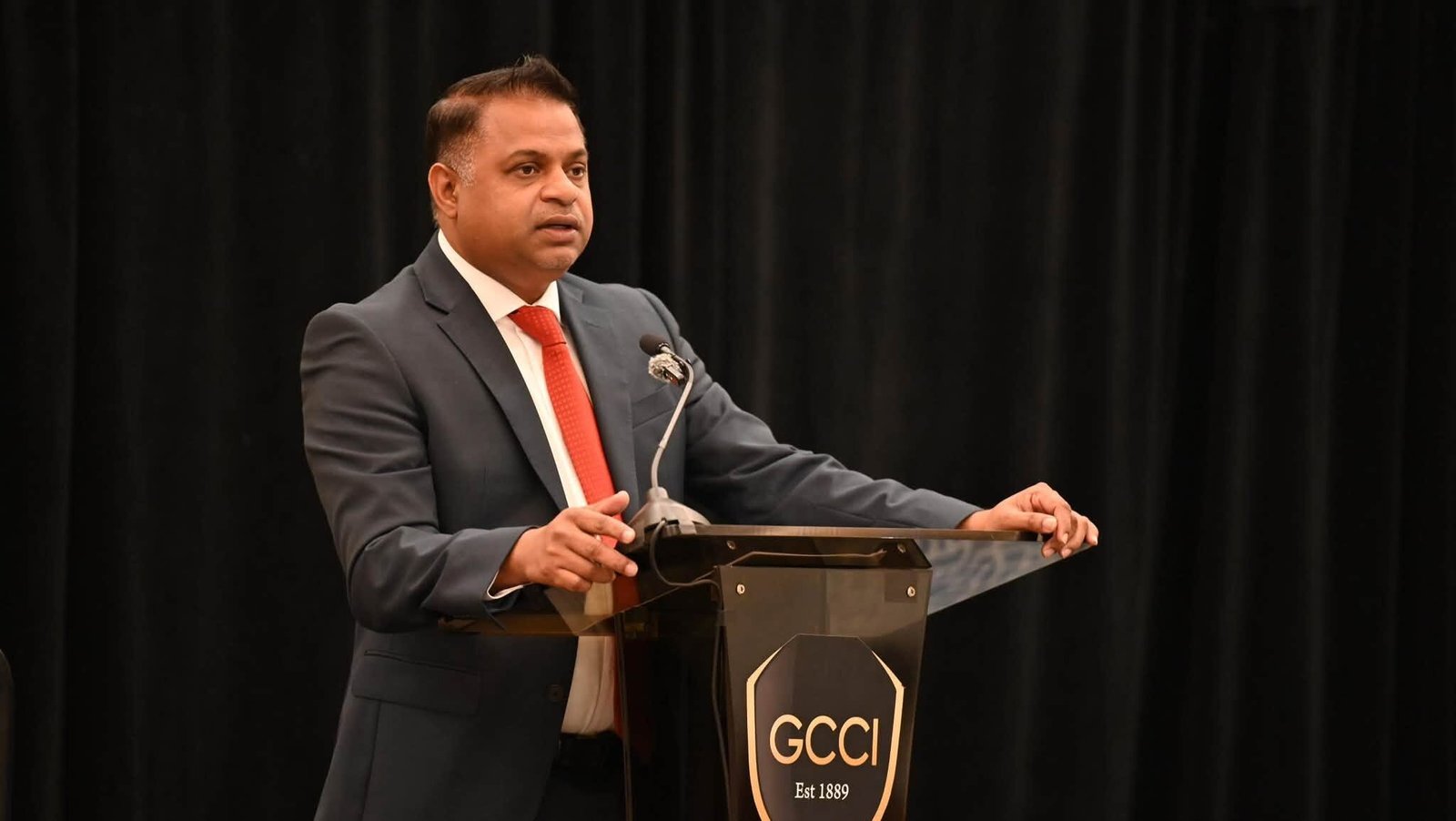
Public Utilities and Aviation Minister Deodat Indar has likewise encouraged Guyanese entrepreneurs to look beyond the country’s established oil production and recognise the wider commercial opportunities arising from natural gas development.
Minister of Public Utilities and Aviation, Deodat Indar⁸
He urged businesses to identify future industry requirements, strengthen their technical capabilities and invest in qualified personnel, modern systems and strategic partnerships.
Highlighted areas include gas transportation, storage, distribution, downstream processing and industrial services. Additional opportunities are expected across warehousing, freight and logistics, construction, equipment certification, specialised engineering, technical training and environmental and waste management services.
The broader message from industry and government leaders is that Guyana’s next phase of energy development will require more than investment in offshore resources. It will depend on local businesses’ ability to become capable suppliers, service providers, contractors, and industrial partners.
As Guyana moves towards greater utilisation of its natural gas reserves, companies that prepare early, build technical expertise and establish the right commercial relationships could secure an important role in Guyana’s next wave of economic and industrial growth.