






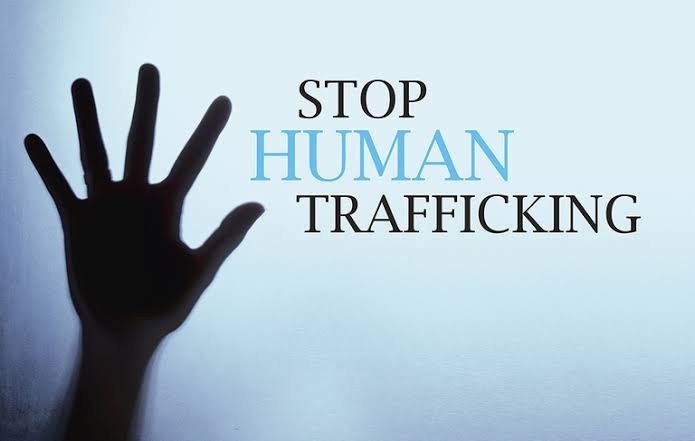
GEORGETOWN, Guyana — Guyana has retained its Tier 1 ranking in the United States Department of State’s 2026 Trafficking in Persons Report, reflecting the country’s continued efforts to combat human trafficking, prosecute offenders, strengthen victim protection and prevent exploitation.
The report, published on October 10, recognises Guyana for meeting the minimum standards established for eliminating human trafficking. It highlights initiatives undertaken by the government, including investigations and prosecutions, specialised training for law enforcement and judicial officials, expanded victim-support services and public awareness campaigns.
Stronger Laws and Law Enforcement
A key development highlighted in the report is the implementation of Guyana’s Combating Trafficking of Persons Act of 2023, which strengthened the legal framework for addressing trafficking offences.
The legislation increased penalties, extended criminal liability to corporations and broadened the definition of trafficking to cover additional forms of exploitation. Penalties range from five years to life imprisonment for trafficking-related offences.
During 2025, authorities launched 16 trafficking investigations, prosecuted four suspects and secured one conviction for sex trafficking, resulting in a prison sentence of at least 48 months. Officials also detained a trafficker who had previously been convicted in absentia.
Police officers, judges, immigration personnel and other officials received training to improve their ability to identify trafficking indicators, conduct victim-centred investigations, interview potential victims and handle evidence.
Expanded Support for Trafficking Survivors
The report also recognised the completion of a transition home in July 2025, with capacity for 30 people. The facility provides trafficking victims with a voluntary 10-day reflection period, allowing them time to consider their options and access support without law enforcement interrogations during that period.
Government agencies, working alongside civil society organisations, continued providing shelter, healthcare, counselling, legal assistance and repatriation services.
Authorities identified 390 trafficking victims in 2025, including 15 Guyanese nationals and 375 foreign nationals. Those identified came from countries including Venezuela, Brazil, Cuba, the Dominican Republic, India and Colombia.
Four foreign victims were also granted work permits, offering a legal alternative to removal where returning to their countries could expose them to hardship or retaliation.
Victims participating in criminal proceedings received assistance such as legal counselling, transportation and preparation for court appearances. Testimony could also be provided through video or pre-recorded statements.
Prevention and Public Awareness Initiatives
Guyana continued operating its interagency anti-trafficking task force and used its 2021–2025 National Action Plan to guide prevention and enforcement activities while consultations began on a new plan.
Public awareness campaigns targeted groups and communities considered vulnerable to trafficking, including miners, hotel operators, Indigenous community leaders, private security personnel and school communities.
Authorities also maintained three anti-trafficking hotlines, comprising two English-language services and one Spanish-language service. The hotlines received 15 reports of suspected trafficking during the reporting period.
In July 2025, a QR-code reporting system was introduced to make it easier for members of the public to report suspected cases.
The government also conducted awareness activities in the extractive and hotel industries to address commercial sexual exploitation and promote compliance with the law.
Addressing Labour Exploitation Concerns
The report highlighted Guyana’s response to concerns about the working conditions of Cuban workers affiliated with the Cuban government.
Following the end of the bilateral health cooperation agreement in early 2026, Guyana offered workers remaining in the country direct employment and protection. Approximately 110 Cuban workers stayed in Guyana, while others returned to Cuba.
The Ministry of Labour and Manpower Planning also conducted workplace inspections, including at projects employing Chinese nationals, as part of efforts to address labour-related concerns.
Further Action Still Needed
Despite recognising Guyana’s progress, the report identified areas requiring additional attention. These include strengthening trafficking investigations, improving victim identification and referrals, increasing resources for prevention and protection services, and improving oversight of recruitment agencies and labour practices.
The findings underscore the importance of sustained enforcement, accessible support services and cooperation among government agencies, businesses and communities.
Guyana’s continued Tier 1 classification reflects the US assessment that the country meets the minimum standards for eliminating human trafficking. Continued progress will depend on addressing the remaining gaps and ensuring that vulnerable individuals can access protection and justice.