






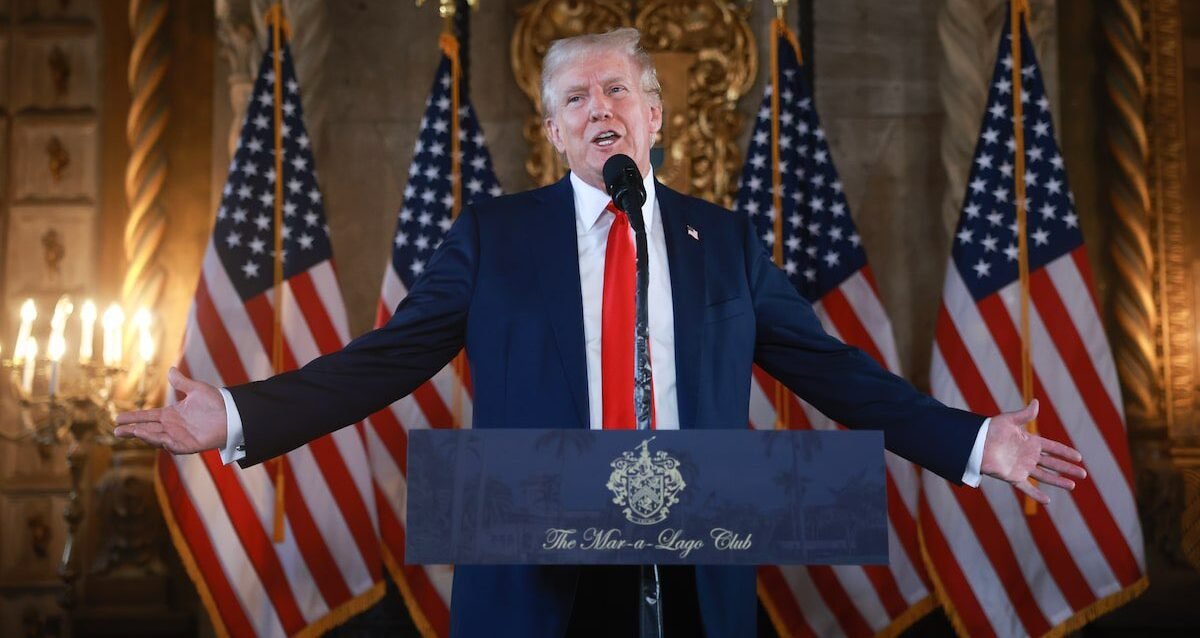
US President Donald Trump has threatened the European Union with “very serious” tariffs and possible restrictions on trade after European Commission President Ursula von der Leyen proposed opening the way for Canada to become the bloc’s first “associate member.” Trump described the proposal as potentially hostile to the United States and said Washington could respond with significant trade measures if it determined that the move was made with negative intentions.
Von der Leyen made the proposal during her annual State of the European Union address in Strasbourg on September 16, with Canadian Prime Minister Mark Carney attending the European Parliament session. She said the EU wanted to deepen its relationship with Canada and explore a new form of partnership covering areas including defence, artificial intelligence, energy, critical minerals, technology and supply chains.
Trump responded by calling the proposal “laughable” and warning that the United States could impose heavy tariffs on European goods or even stop trading with Europe in some areas if he considered the arrangement a hostile act. At the same time, he indicated that the US response could depend on the intentions behind the proposed partnership.
The European Commission has rejected the suggestion that closer EU-Canada ties are directed against Washington. Commission spokesperson Olof Gill said the proposed strengthening of the partnership with Canada was intended to increase the EU and Canada’s common strength rather than target another country.
The idea of “associate membership” would represent a new arrangement for the European Union. There is currently no formal associate-member status established under EU treaties. Any such framework would need to be developed and approved by the EU’s member states, making the proposal a potentially lengthy and legally complex process.
Canada has already maintained extensive economic and political relations with the EU through the Comprehensive Economic and Trade Agreement, or CETA. The proposed relationship could go considerably further, with discussions potentially covering closer cooperation in defence industries, the Arctic, energy, digital trade, artificial intelligence and critical minerals.
Canadian Prime Minister Mark Carney welcomed the prospect of closer relations with Europe during his address to the European Parliament on September 17. He said Canada and Europe could become stronger together and emphasized cooperation designed to protect economic prosperity, sovereignty, democratic institutions and open markets.
The dispute comes amid already strained trade relations between Washington, Ottawa and Brussels. Canada and the European Union have been seeking stronger economic and strategic partnerships as both face pressure from the United States and increasing competition from China. The proposed Canada-EU arrangement therefore has implications beyond trade, particularly in areas such as defence, energy security, technology and critical mineral supplies.
For now, the proposal remains at an early stage and does not give Canada EU membership or voting rights within the bloc. EU governments would need to determine what an associate relationship would involve and whether they support moving forward. Meanwhile, Trump’s tariff warning has added another layer of tension to discussions over the future of relations between North America and Europe.