






President Dr Mohamed Irfaan Ali has acknowledged growing reliability concerns within Guyana’s electricity system, saying the country must undertake significant investment to modernise and strengthen the national power grid as rapid economic growth continues to drive up demand.
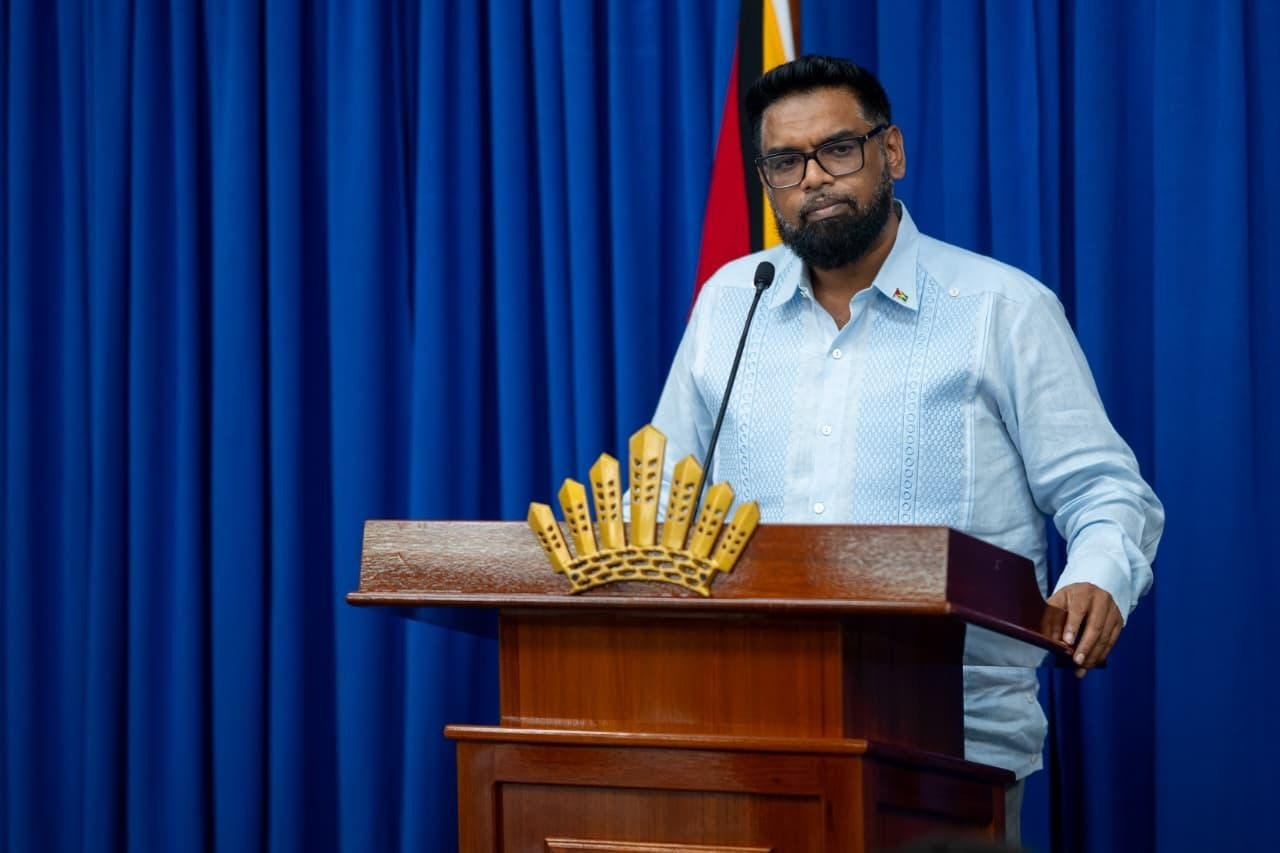
Speaking at a press conference on Monday at the Office of the President, Ali said the existing electricity infrastructure is facing unprecedented pressure as new homes, businesses and industries come onto the national grid.
“We cannot continue with an unreliable system,” the President said, stressing that the current level of service interruptions cannot become the norm.
Ali referenced findings from an independent assessment conducted by InterEnergy at the government’s request, which showed that peak electricity demand on the Demerara-Berbice Interconnected System increased from approximately 205 megawatts in 2024 to 242.6 megawatts by August 2026.
The increase represents an 18 per cent rise in peak demand, significantly exceeding the 3.4 per cent average growth recorded across the Latin America and Caribbean region.
According to the assessment, electricity demand could climb by approximately 138 per cent by 2029. Over the same period, GPL is projected to gain more than 62,000 additional customers, further increasing pressure on generation, transmission and distribution infrastructure.
The President said the government is also carrying a growing financial burden as fuel costs rise. He noted that diesel consumption for electricity generation has increased by 86.8 per cent, with the government increasing subsidies to prevent these higher costs from being passed directly on to consumers.
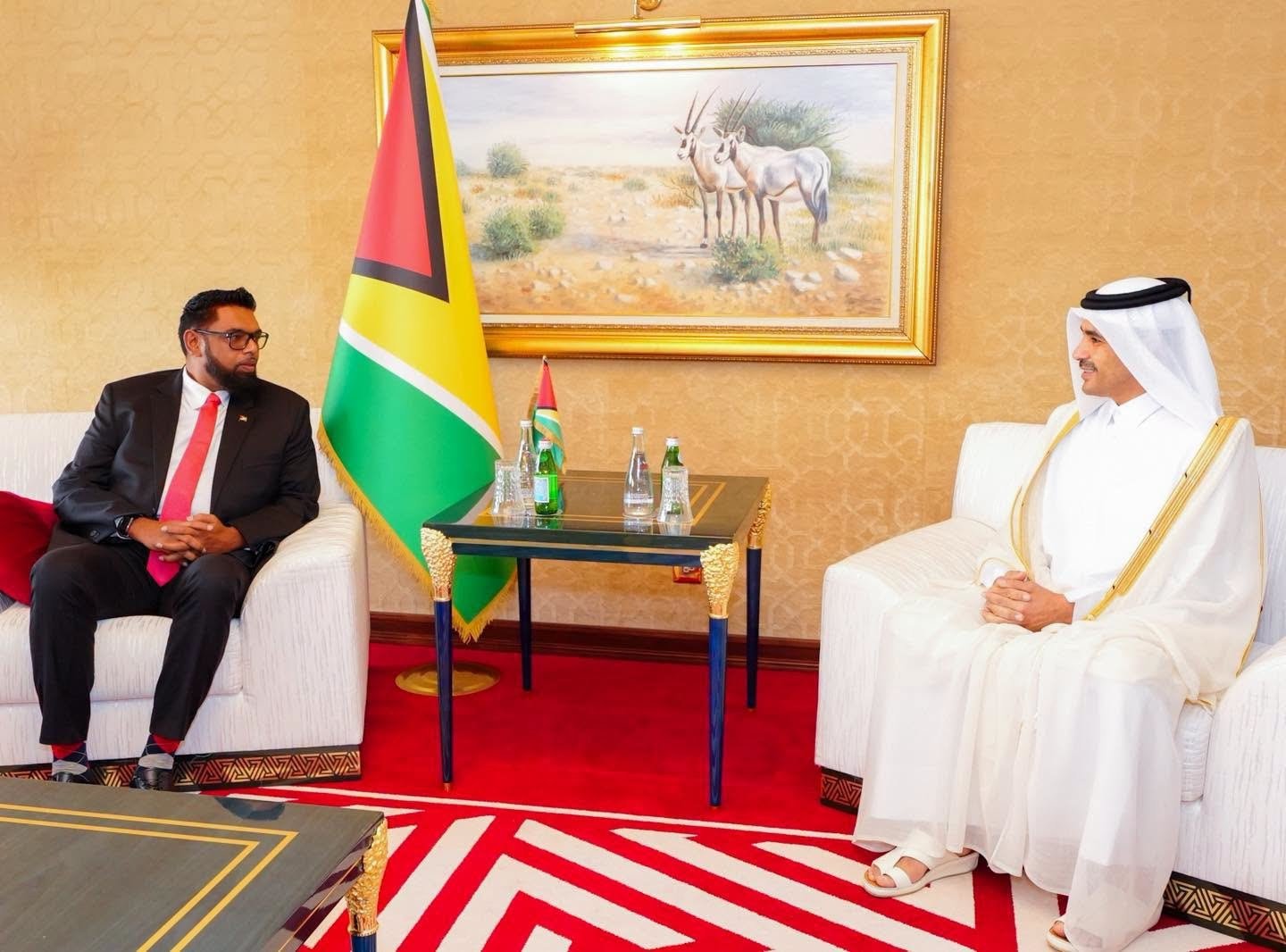
Ali said securing the financing required for a comprehensive upgrade of the electricity system was among the issues discussed during his recent state visit to Qatar.
He indicated that Qatar could potentially play a role in financing the major investments required to improve Guyana’s electricity infrastructure.
“We have to make the investment, and this is one of the things Qatar also is ready to help on,” Ali said.
The government has already embarked on major projects aimed at expanding and modernising the power system. These include more than 360 kilometres of new high-voltage transmission lines, the construction of over 10 substations, advanced metering systems and the introduction of battery energy storage technology.
InterEnergy’s recommendations also include establishing an independent grid reliability task force, expanding smart-metering programmes, adding further generation capacity and accelerating investment in transmission and distribution networks.
Ali stressed that while the government cannot guarantee that power interruptions will never occur, the current frequency and scale of disruptions are unacceptable.
“We cannot promise that there will never be another interruption… but not what we are having now. Unacceptable,” he said, adding that resolving the problem will require “major investment” implemented through a comprehensive approach.
The President’s comments come as Guyana’s electricity demand continues to rise alongside rapid economic expansion, making the strengthening of the national grid an increasingly urgent priority for the country.