






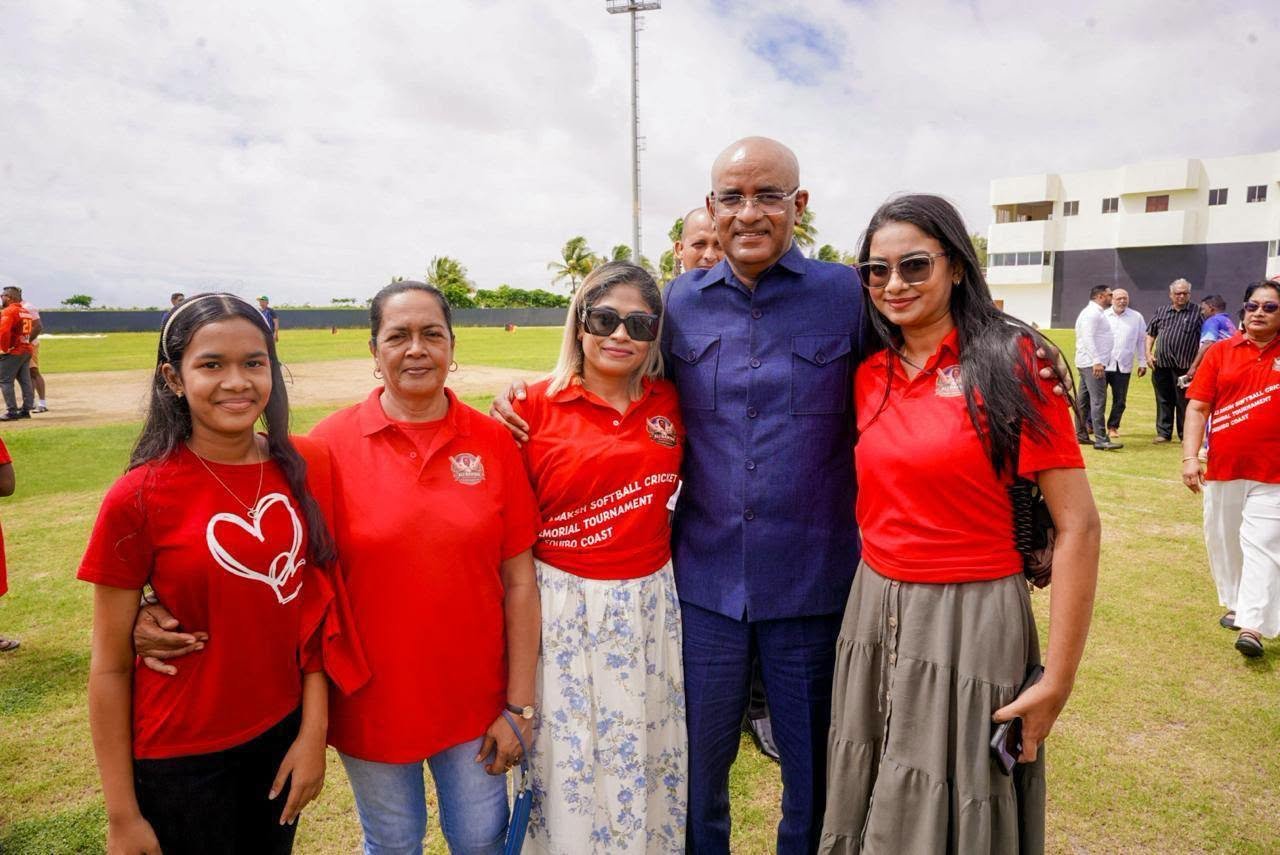
Vice-President Dr Bharrat Jagdeo has made public engagement central to his role, travelling across the country to meet citizens, hear their concerns, provide solutions, and receive assistance and updates on government initiatives. His regular outreach has created direct channels of communication between the administration and the public. While opposition parties and sections of the media often criticise government policies, the Vice-President remains actively engaged in addressing issues affecting communities nationwide. His presence in the regions has sent a clear message to the people that the PPP government cares about their well-being.
Since securing a landslide general election victory in September 2025, with a renewed mandate from the people of Guyana, the Government of Guyana has continued to advance many of the commitments set out in its manifesto. While some members of the public may wish to see every promise fulfilled immediately, no democratic government can achieve all its objectives overnight. Development is a process, and many projects depend on factors beyond the administration’s direct control.
Even Mr Modi, the Prime Minister of India, took 12 years to make India the world’s fifth-richest country, and soon after, in 2030 or earlier, the third-richest country on Earth, behind the USA and China.
The majority of Guyanese citizens understand some of the delays. They have given the PPP a 5-year mandate and expect economic results well before the next general election in 2031. The PPP government knows what it must do. Only a small group, who have been complaining all their miserable lives and are never satisfied, are not in favour of progress and are there only to criticise and complain.
The ongoing war and tensions involving Iran, Israel, and the United States have once again exposed the vulnerability of countries that depend heavily on global energy supplies. While Iran has sought to exert influence over the Strait of Hormuz, this critical waterway is an international shipping route serving the global community’s interests. Any disruption to the free flow of oil and gas through the Strait can create uncertainty in energy markets, drive up prices, and place additional pressure on economies around the world.
For Guyana, this situation should serve as a reminder of the importance of energy security and strategic planning. The country should accelerate the development of oil storage facilities, a modern refinery, and a fertiliser plant, and ensure the Gas-to-Energy Project is completed on time. By fully utilising its vast oil and gas resources, Guyana can become more self-sufficient, reduce its exposure to global energy shocks, create thousands of jobs, and position itself as a leading energy and industrial hub in the Caribbean and South America.
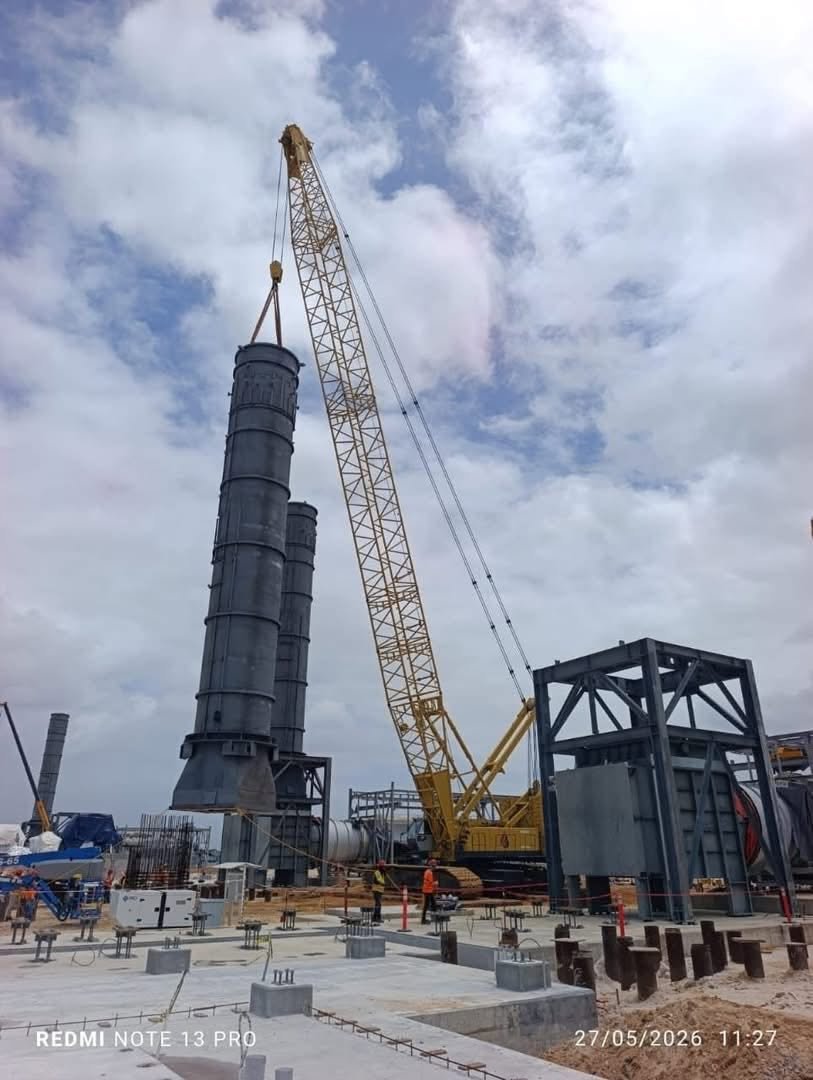
One of the most important sectors requiring urgent attention is energy. The Gas-to-Power project remains one of the most transformative initiatives in Guyana’s history. Upon completion, the project is expected to significantly reduce electricity costs, with the government promising up to a 50 per cent reduction in consumers’ electricity bills.
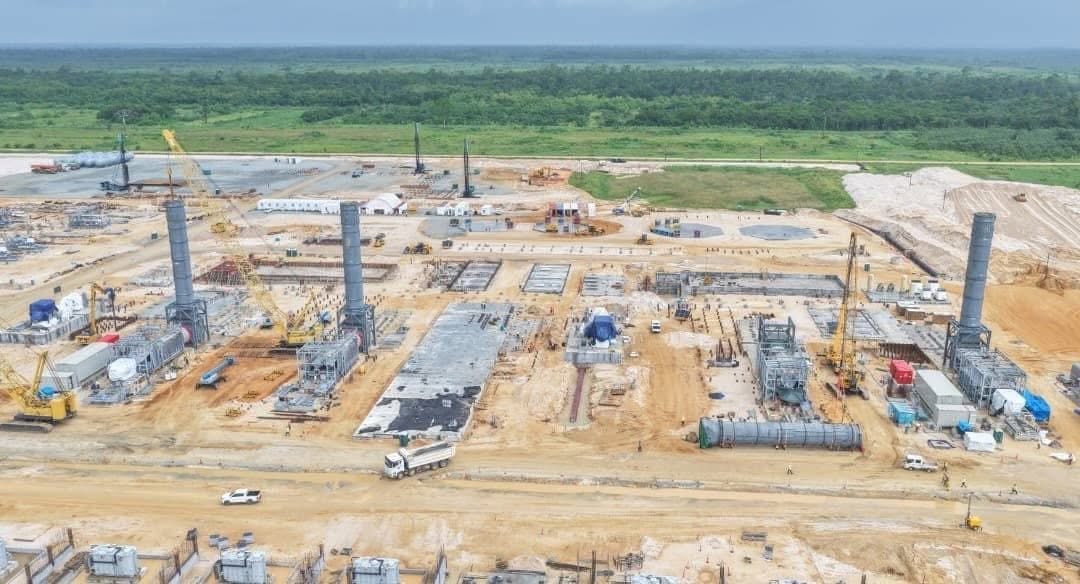
The project has faced criticism for delays, including those caused by regular power cuts. However, it is important to recognise that these inconveniences are not solely the government’s fault. Contractual and legal matters between private parties regarding the gas-to-power project have contributed to the setbacks. Now that these legal issues are resolved, the project is proceeding at full pace. The government has repeatedly reaffirmed its commitment to delivering the promised reduction in electricity costs, and citizens remain hopeful that the benefits will soon become a reality. The government is closely monitoring the contractors for the Gas to Power project and will not tolerate any further delays.
Roads and infrastructure development have transformed many parts of the country in recent years. Nevertheless, some communities still face road conditions that require improvement. Authorities should ensure that roads are properly maintained and upgraded to durable standards. Infrastructure projects should prioritise quality and longevity to maximise benefits for residents and businesses alike.

It is also important to recognise that delays in national projects are not always caused by government action. In many cases, contractors, suppliers, legal disputes, and external factors contribute to delays.
Consideration should be given to stronger contractual provisions that hold companies accountable for avoidable delays. Where contractors fail to meet agreed timelines without valid justification, compensation or penalty mechanisms could help protect taxpayers and keep projects on schedule. Such measures could be beneficial across major infrastructure projects, including those related to the Gas-to-Energy initiative.
Transportation is another area that warrants greater attention. As Guyana’s population and economy continue to expand, public transport infrastructure must keep pace. Many commuters face overcrowded mini-buses and long waiting times due to a shortage of vehicles. The government should consider establishing a stronger transport authority framework and encouraging the private sector to introduce more modern 40-seat air-conditioned buses and to improve service quality. A modern transport system is essential for a growing nation.

Tourists and Guyanese diaspora have complained about minibuses, where passengers travel like sardines and are not safe at all.
The banking sector is another area where modernisation is needed. Across much of the world, banking services have become highly digital, enabling customers to open accounts, submit documents, and complete transactions online without visiting a bank branch.
In the UK, nearly all banks are closing their local branches and asking new customers to open their new accounts online, so there is no need for them to visit branches for signature samples, which no longer exist. In the UK, cheque books are now a thing of the past.
In Guyana, although some banks have begun adopting digital solutions, many processes still require customers to visit branches to provide signature samples and complete some paperwork.
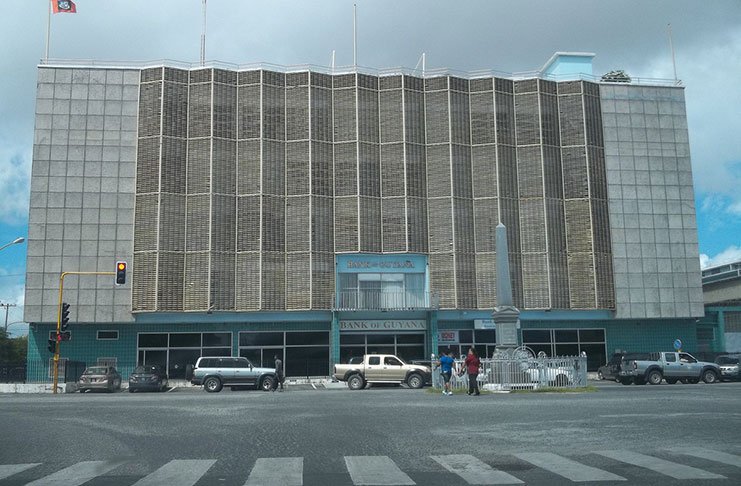
The banking sector needs to recognise that over one million Guyanese are living abroad, with many also having children born in the diaspora who maintain strong ties to Guyana. A significant number of them would like to open and operate bank accounts in Guyana, but current procedures often require in-person presence, creating unnecessary barriers. If banking regulations are moving towards digital processes, they should be further strengthened to allow account opening and verification to be completed entirely online, without requiring diaspora members to travel. In cases where existing laws still mandate in-person visits, the Government of Guyana should take the initiative to review and modernise these rules.
Countries like India, under Prime Minister Narendra Modi, have already implemented successful digital banking systems that simplify account opening and financial access.
For example, in India, with a population of 1.5 billion, applicants can apply directly through their respective bank’s official website by filling out a simple online form and submitting all required details, including account information, identity documents, and other relevant data. In many cases, the account is opened within minutes, and banking services become active within 24 hours, allowing customers to begin banking transactions almost immediately. The bank then dispatches the passbook and cheque book via speed post. However, in the meantime, the new account holder can begin banking immediately. If the new account customer wants to visit the bank for other reasons, he is free to do so and meet the bank officials.
This streamlined approach demonstrates how digital banking can significantly improve efficiency, accessibility, and user convenience.
Guyana should engage with relevant stakeholders to streamline a similar process, which could unlock substantial foreign exchange inflows and encourage greater diaspora investment, rather than requiring individuals to travel back to the country to complete basic banking procedures. The costs of travelling to Guyana exceed $5,000 USD, and it is only to show up in person to meet bank officials. If done digitally, this $5,000 could be deposited into the diaspora account instead of being spent on travel to meet a bank official.
Greater digitalisation would improve efficiency, save time, and enhance customer experience. The banking sector must continue to evolve to meet modern expectations.
Nevertheless, if the government must introduce new banking legislation to facilitate digital account opening, it must do so without delay.
Tourism also offers Guyana tremendous opportunities. The country has unique natural attractions, rich biodiversity, and a growing reputation as a premier eco-tourism destination. However, more targeted efforts are needed to attract visitors from Europe, North America, and other international markets. Tourism data should be carefully categorised to distinguish between diaspora visitors, business travellers, and eco-tourists. This information would help policymakers develop more effective strategies to expand the sector and increase visitor spending.
Overall, the government continues to work towards fulfilling its manifesto commitments. Progress is evident across multiple sectors, even though challenges remain. Credit should be given where it is due, and constructive criticism should focus on improving outcomes rather than dismissing achievements.
No government can be held responsible for every delay or challenge a developing country faces. What matters most is the willingness to listen, adapt, and continue delivering on promises. Guyana is undergoing an unprecedented period of transformation, and although there is still work to be done, the nation remains on a path of progress and development.