





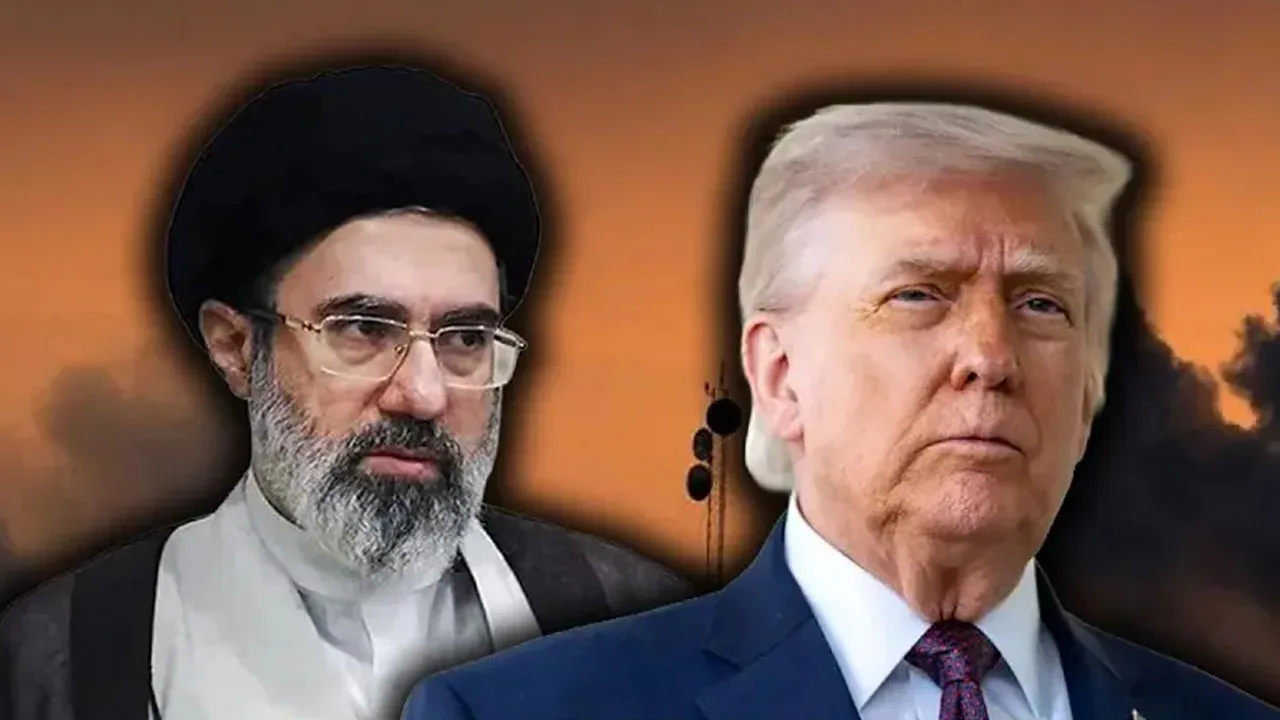
The United States and Iran have signed a landmark interim agreement aimed at ending months of military confrontation and reopening the strategically vital Strait of Hormuz, marking one of the most significant diplomatic developments in the Middle East in decades.
The agreement, known as the Islamabad Memorandum of Understanding, was finalized after intensive negotiations mediated by Pakistan and endorsed by both Washington and Tehran. The accord establishes a 60-day framework for broader negotiations while committing both sides to halt military operations and reduce tensions across the region.
The breakthrough follows nearly four months of conflict that disrupted global energy markets, heightened regional instability, and raised fears of a wider war involving several Middle Eastern nations. Analysts have described the agreement as the most consequential diplomatic opening between the two countries since the 1979 Iranian Revolution.
A central feature of the deal is the reopening of the Strait of Hormuz, the narrow waterway through which roughly one-fifth of the world’s oil supply passes. The route has been at the centre of the recent conflict, with shipping disruptions triggering sharp increases in global energy prices and raising concerns about international supply chains. Under the agreement, Iran has committed to restoring commercial navigation, while the United States has agreed to lift its naval blockade on Iranian ports over the coming weeks.
The accord also provides for a temporary easing of restrictions on Iranian oil exports. According to officials familiar with the negotiations, Tehran will be permitted to resume oil sales under a framework tied to compliance with the agreement’s conditions. Banking, insurance and transportation services connected to energy exports are also expected to receive limited waivers as part of the confidence-building measures.
While the agreement has been welcomed by financial markets, major challenges remain unresolved. The most sensitive issue is Iran’s nuclear programme, which has been deferred to the next phase of negotiations. Both sides have agreed to pursue discussions on uranium enrichment, nuclear monitoring mechanisms, and long-term security guarantees during the 60-day negotiation period. Observers caution that these talks will determine whether the interim accord evolves into a lasting peace settlement or merely serves as a temporary pause in hostilities.
The agreement has generated mixed reactions across the region. Supporters argue that it offers the best opportunity in years to reduce tensions and restore stability to global energy markets. Critics, particularly among some of America’s regional allies, fear the deal could strengthen Iran’s geopolitical position without securing enough concessions on its military and nuclear capabilities.
Energy markets responded positively to the announcement. Oil prices fell sharply as traders anticipated the gradual restoration of exports and shipping traffic through the Strait of Hormuz. However, industry experts warn that a full return to normal operations may take months due to security concerns, shipping insurance costs, and the need to rebuild confidence among international maritime operators.
Despite the optimism surrounding the agreement, implementation remains the crucial test. Both Washington and Tehran must now translate diplomatic promises into concrete actions while navigating domestic political pressures and regional rivalries. The coming weeks are expected to be decisive as negotiators seek to transform the interim arrangement into a comprehensive settlement capable of reshaping the future of the Middle East.
For now, the accord represents a rare moment of diplomacy in a region often defined by conflict, offering a potential pathway toward greater stability after months of uncertainty and confrontation.