






Guyana is undergoing one of the fastest economic transformations in the Caribbean and South America. New highways, bridges, housing projects, and commercial developments are reshaping the country. However, one critical area remains largely unchanged: public transport.
As the nation continues to grow, Guyana must develop a modern, well-structured public transport system to reduce traffic congestion, improve road safety, create jobs, and provide citizens with affordable, reliable transport.
Today, the backbone of public transport in Guyana is the privately operated minibus system. While minibuses play an important role in moving thousands of commuters every day, the system faces several challenges.
Many routes lack proper schedules, minibuses often compete aggressively for passengers, overcrowding remains a concern, and high fares and reckless driving are frequent complaints among commuters.
Recent reports from traffic authorities have highlighted ongoing concerns about congestion and unsafe driving among public transport operators, particularly in Georgetown and along major corridors.
A modern economy cannot rely solely on an unstructured transport network. Cities around the world have shown that organised bus services on designated routes improve efficiency, reduce accidents, and provide passengers with greater comfort and safety.
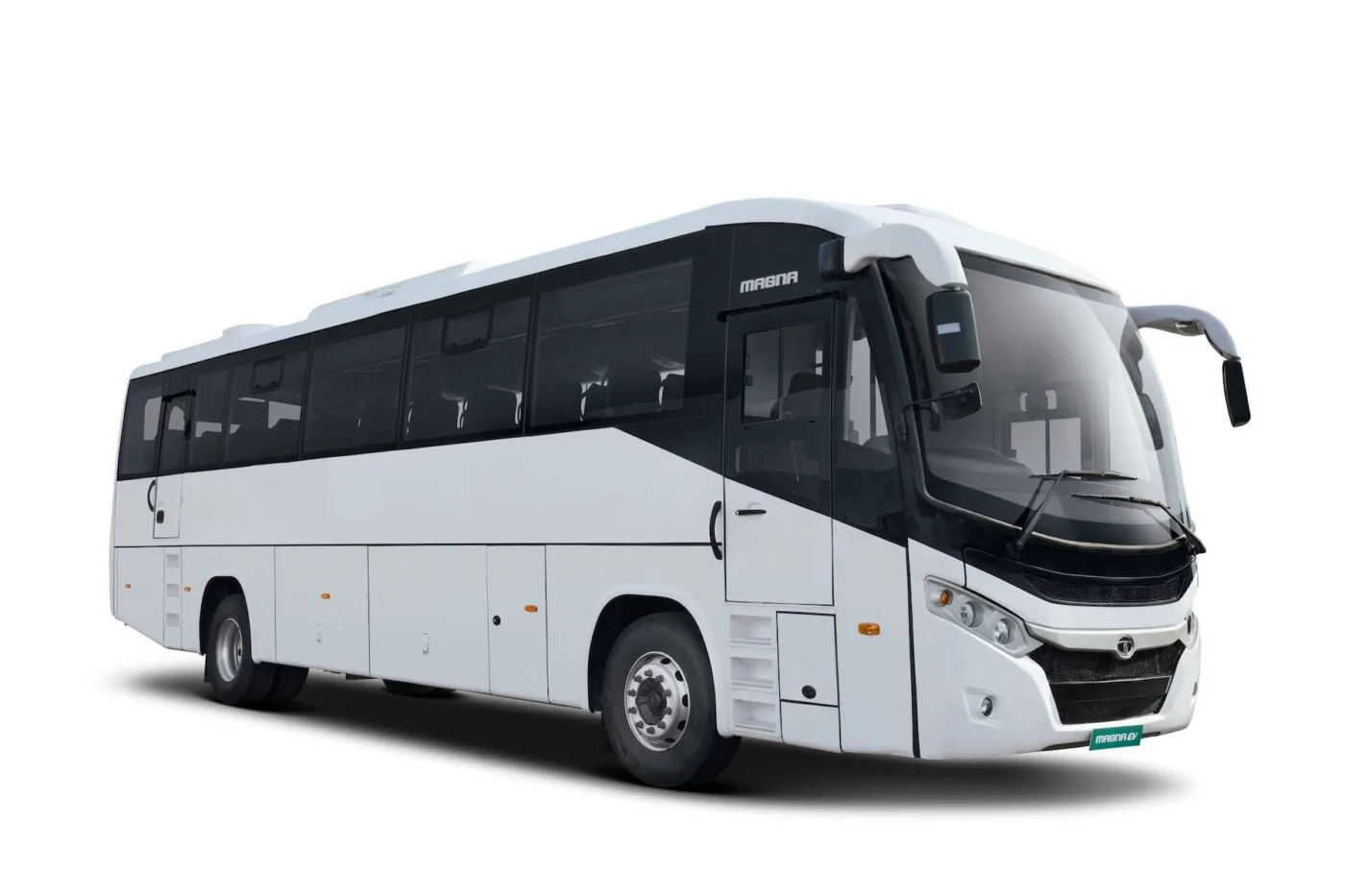
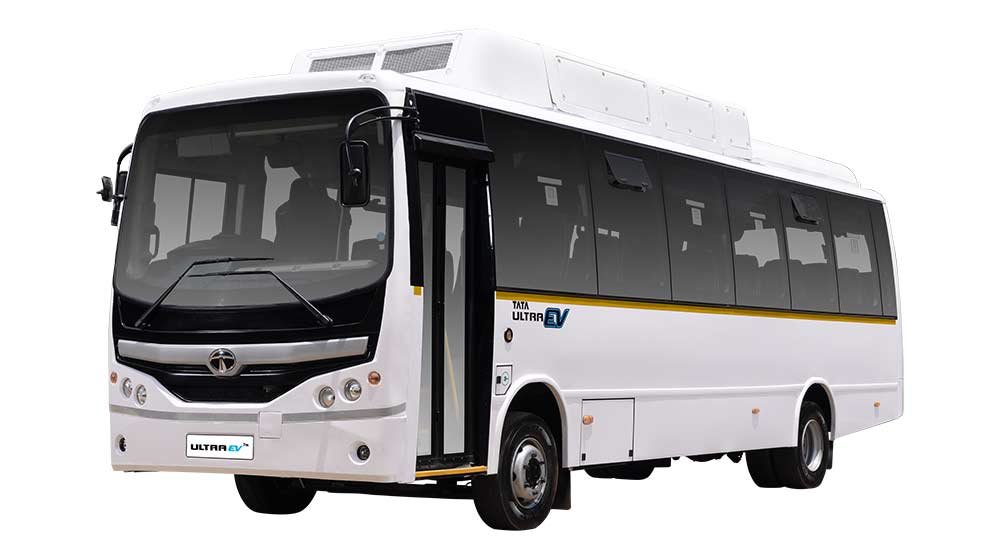
The Government of Guyana has an opportunity to introduce a route-based public transport model. Under this system, transport corridors could be identified and allocated to qualified private companies operating modern buses that meet stringent safety and service standards. Rather than drivers competing for passengers, operators would focus on maintaining schedules, service quality, and passenger safety.
This approach has been successfully implemented in countries including the United Kingdom, Singapore, and many other developed nations. Buses follow fixed routes, stop at designated stops, and operate on regular schedules, enabling citizens to plan their journeys with confidence. Such a system also reduces unnecessary competition on the roads and promotes more disciplined driving.

One of the greatest beneficiaries of a structured transport network would be schoolchildren. Every day, thousands of students travel to and from school by various forms of transport. Dedicated, regulated private bus services would offer a safer alternative for students and give parents greater peace of mind. Private bus operators for school transport could be a major step towards improving student safety and accessibility.
The economic benefits would also be significant. A regulated bus network and Routes would create employment opportunities for drivers, mechanics, dispatchers, maintenance and supervisory staff, and administrative staff. New transport companies could emerge, attracting local and international investment in the sector. Small business owners would benefit from more reliable employee transport, while commuters would save valuable time.
Traffic congestion is another growing concern in Georgetown, and surrounding areas are becoming increasingly crowded as vehicle ownership rises and economic activity expands. Studies and transport experts worldwide consistently identify efficient public transport as one of the most effective ways to reduce the number of private vehicles on the road. A well-planned bus network could significantly ease traffic pressure and improve productivity nationwide.
Road safety must also be a priority. Guyana has seen hundreds of fatal road crashes in recent years, and road safety officials have repeatedly called for improvements in driver discipline and transport management. A professional bus system with trained drivers, routine health checks, safety monitoring, and strict operating standards would help reduce risks for passengers and other road users.
Unlike many countries, Guyana currently lacks a railway network. While rail transport may be a long-term consideration as the country develops, a comprehensive bus network is the most practical and cost-effective option in the near term. It would deliver immediate benefits to commuters while laying the foundation for future transport expansion.
It will encourage tourists to use bus services instead of expensive taxis.
Guyana stands at a historic moment in its development. The country’s oil revenues and economic growth offer a unique opportunity to invest not only in roads and bridges but also in the systems that enable safe, efficient travel. Modern transport is not a luxury; it is a necessity for a growing nation.
The vision should be simple: safe, modern buses, designated routes, professional operators, affordable fares, and reliable service. If implemented effectively, a modern public transport system could transform daily life for thousands of Guyanese citizens, reduce congestion, improve safety, create jobs, and help build the modern Guyana that future generations deserve.
The time has come for a modern transport system in Guyana. The government must appoint a Transport Czar to plan a modern transport system, with assistance from foreign transport experts.