






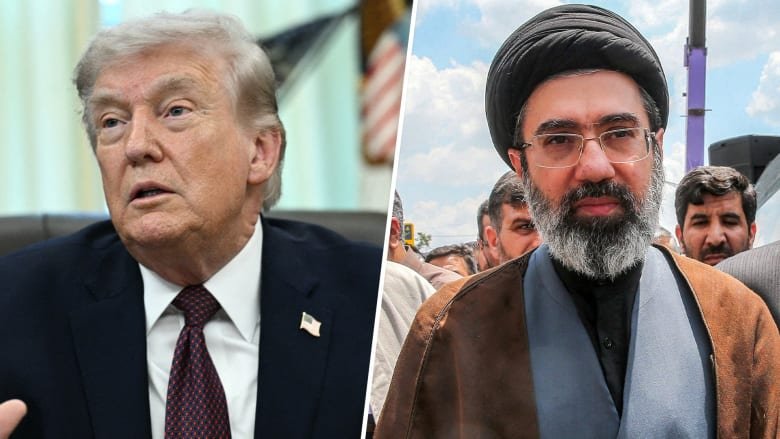
A major diplomatic development unfolded on Sunday as former United States President Donald Trump announced that a peace agreement had been reached with Iran, a move that could significantly reduce tensions in the Middle East and ease concerns in global energy markets.
The announcement comes after months of heightened uncertainty in the region, during which fears of military escalation and disruptions to international shipping routes fueled volatility in oil prices and raised concerns among governments and businesses worldwide.
At the center of the discussions is the Strait of Hormuz, one of the world’s most strategically important waterways. The narrow passage serves as a vital route for a substantial portion of global oil and gas exports. Any disruption to shipping traffic through the strait has the potential to affect energy supplies, increase transportation costs, and trigger sharp movements in international commodity markets.
According to reports, the proposed agreement includes measures aimed at reducing hostilities, restoring maritime security, and ensuring the continued flow of commercial shipping through the region. The announcement was met with immediate reactions from financial markets, with oil prices falling as investors interpreted the development as a sign that supply risks could be easing.
Energy analysts noted that markets had been pricing in the possibility of prolonged instability in the Gulf region. News of a potential diplomatic breakthrough therefore provided reassurance to traders and businesses concerned about the impact of geopolitical tensions on fuel costs and global trade.
The prospect of a reduction in regional tensions was also welcomed by several international observers, who argued that diplomacy remains the most effective path toward maintaining stability in one of the world’s most strategically significant regions.
The Middle East has long played a critical role in global energy security, and developments involving major regional powers are closely monitored by governments, financial institutions, and multinational corporations. Any agreement that contributes to a more predictable security environment is likely to be viewed positively by international markets.
While the announcement generated optimism, experts cautioned that significant challenges remain. Diplomatic agreements often require extensive follow-up negotiations, implementation mechanisms, and confidence-building measures before long-term stability can be achieved. Questions surrounding regional security, sanctions, nuclear activities, and broader geopolitical interests are expected to remain key topics of discussion in future negotiations.
Political analysts emphasized that the success of the agreement will ultimately depend on the willingness of all parties involved to uphold their commitments and continue engaging in constructive dialogue. History has shown that diplomatic breakthroughs in the region can face obstacles during implementation, making sustained cooperation essential.
The economic implications of the development could be far-reaching. Lower oil prices may provide relief for consumers and businesses that have faced rising energy costs in recent months. Countries heavily dependent on imported energy could also benefit from greater market stability and improved supply confidence.
Meanwhile, investors around the world are expected to closely monitor future announcements regarding the agreement’s implementation. Financial markets often react quickly to developments in the Middle East due to the region’s influence on energy supplies and international trade flows.
If successfully implemented, the agreement could mark one of the most significant diplomatic developments in the region in recent years. Beyond its impact on oil markets, it could contribute to broader efforts aimed at reducing tensions, encouraging economic cooperation, and strengthening regional security.
For now, world leaders, market participants, and international organizations will be watching closely as further details emerge and negotiations continue. The coming weeks are likely to determine whether the announcement becomes a lasting diplomatic achievement or simply the first step in a longer and more complex process toward peace and stability.